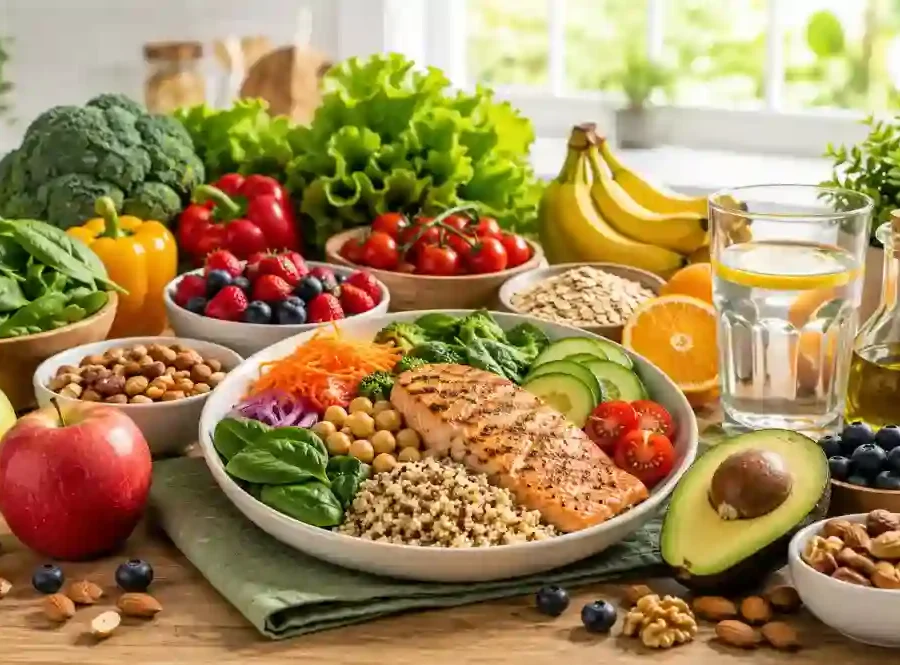
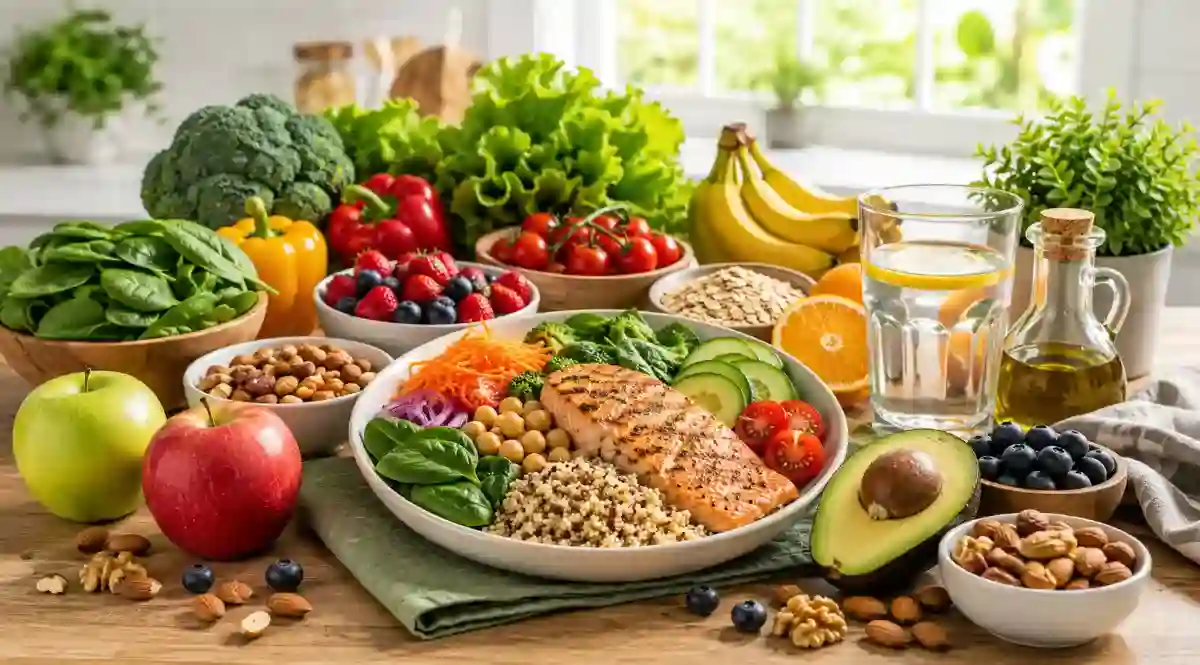
Every plate you fill is a small decision about how you want to feel later energized or sluggish, satisfied or hungry an hour later, nourished or simply full. Healthy Foods aren’t about perfection or eliminating everything you enjoy; they’re about consistently choosing options that give your body what it needs to function well. Whether you’re trying to boost your energy, manage your weight, support digestion, or simply feel better day to day, the foods you eat play a central role.
The good news is that eating well doesn’t require an overhaul of your entire lifestyle. Small, sustainable changes adding more vegetables to a meal, swapping a sugary drink for water, choosing whole grains over refined ones can add up over time. This guide walks through practical, everyday Healthy Foods choices, from daily staples to specific nutrient-rich options, so you can build a balanced way of eating that actually fits your life.
Healthy Foods to Eat Every Day
A nutritious daily diet doesn’t come from one perfect food it comes from variety. Including a mix of food groups each day helps ensure your body receives a broad range of vitamins, minerals, and macronutrients.
- Fruits natural sources of vitamins, fiber, and antioxidants.
- Vegetables especially leafy greens and colorful produce, rich in micronutrients.
- Whole grains such as oats, brown rice, and whole wheat, which provide fiber and steady energy.
- Protein-rich foods eggs, fish, poultry, and plant-based proteins that support muscle and tissue repair.
- Legumes beans and lentils offering both protein and fiber.
- Nuts and seeds good sources of healthy fats and minerals.
- Healthy fats from olive oil, avocado, and fatty fish.
- Dairy or suitable alternatives – for calcium and protein.
- Water and hydrating foods essential for nearly every bodily function.
There’s no single formula that works for everyone. Your daily food choices should reflect your personal needs, preferences, and overall dietary pattern rather than a rigid checklist. Building a habit of choosing Healthy Foods every day, even in small ways, is one of the most effective long-term strategies for better health. For more structured guidance on building balanced meals, see our Nutrition section.
15 Best Healthy Foods for Better Health
Below are 15 Healthy Foods that are widely recognized as nutritious additions to a balanced diet. None of these foods work miracles on their own, but each can play a genuinely useful role in everyday eating and can help you build a stronger list of Healthy Foods to rely on regularly.
1. Leafy Green Vegetables
Spinach, kale, and other leafy greens are low in calories yet rich in vitamins A, C, and K, along with folate and fiber. They can be added to salads, smoothies, soups, or sautéed as a simple side dish. Because they’re so versatile, leafy greens are an easy way to increase vegetable intake at almost any meal, including breakfast.
2. Berries
Blueberries, strawberries, and raspberries are naturally sweet, fiber-rich, and packed with antioxidants. They make a satisfying snack on their own or pair well with yogurt and oats. Because they’re relatively low in sugar compared to many other sweet snacks, berries are a practical choice for those watching their overall sugar intake.
3. Apples
Apples are a convenient, fiber-rich fruit that travels well and requires no preparation. The skin contains much of the fiber and many of the antioxidants, so eating apples unpeeled (when appropriate) maximizes their nutritional value. They work well as a portable snack or as an addition to oatmeal and salads.
4. Eggs
Eggs are a complete protein source, meaning they contain all essential amino acids, along with important nutrients like choline and vitamin D. They’re extremely versatile — boiled, scrambled, poached, or baked into dishes — making them a practical protein option for breakfast, lunch, or dinner.
5. Oats
Oats are a whole grain rich in soluble fiber, which can support digestive health and help you feel fuller for longer. A bowl of oatmeal topped with fruit and nuts is a simple, balanced breakfast that provides sustained energy through the morning.
6. Greek Yogurt
Greek yogurt is higher in protein than regular yogurt and often contains beneficial probiotics. It works well as a snack, a breakfast base, or a substitute for less nutritious creamy toppings. Choosing plain, unsweetened varieties helps avoid added sugars.
7. Salmon or Other Fatty Fish
Fatty fish such as salmon provide protein along with omega-3 fatty acids, which are associated with several aspects of overall health. Grilling, baking, or pan-searing fish with vegetables makes for a straightforward, balanced dinner.
8. Beans
Beans are an affordable source of both plant protein and fiber, making them useful for people managing their weight or looking to reduce reliance on animal protein. They can be added to soups, salads, and grain bowls with minimal preparation.
9. Lentils
Lentils cook faster than many other legumes and offer a similar combination of protein and fiber. They’re a practical base for soups, stews, and salads, and they pair well with vegetables and whole grains for a complete meal.
10. Nuts
Almonds, walnuts, and other nuts provide healthy fats, protein, and fiber in a compact, portable form. Because they’re calorie-dense, portion awareness matters — a small handful is generally enough to enjoy the benefits without overdoing it.
11. Seeds
Chia seeds, flaxseeds, and pumpkin seeds offer fiber, healthy fats, and various minerals. They can be sprinkled onto yogurt, oatmeal, or salads for an easy nutritional boost without significantly changing the flavor of a dish.
12. Avocado
Avocado is a source of monounsaturated fat, fiber, and several vitamins. It can replace less nutritious spreads on toast, be added to salads, or blended into dressings. Its creamy texture also makes it a popular addition to smoothies.
13. Sweet Potatoes
Sweet potatoes provide fiber, vitamin A, and complex carbohydrates that offer steady energy. They can be roasted, mashed, or added to grain bowls, and they make a nutritious alternative to more refined starchy sides.
14. Broccoli
Broccoli is a fiber-rich vegetable that also provides vitamin C and other micronutrients. Steaming or roasting broccoli helps preserve its nutritional value, and it pairs well with most protein sources as a simple side dish.
15. Whole Grains
Beyond oats, whole grains like quinoa, brown rice, and whole wheat products provide fiber and nutrients that refined grains often lack. Choosing whole-grain versions of everyday staples like bread, pasta, and rice is one of the simplest ways to improve the overall quality of your diet.
Best Healthy Foods for a Balanced Diet
A balanced diet built around Healthy Foods typically includes a mix of protein, carbohydrates, healthy fats, fiber, vitamins, and minerals — supported by fruits, vegetables, whole grains, and adequate hydration. Variety matters because no single food group provides everything your body needs. Relying too heavily on one type of food, even a nutritious one, can mean missing out on other important nutrients.
Importantly, a balanced diet does not require eliminating entire food groups unless recommended by a qualified healthcare professional for a specific medical reason. For most people, the goal is proportion and variety rather than exclusion. Our Nutrition resources go into more depth on building balanced meals for different goals.
Healthy Foods for Weight Loss
Certain Healthy Foods can support healthy weight management as part of an overall balanced approach, though no single food causes weight loss by itself. High-fiber foods, protein-rich options, vegetables, fruits, and whole grains tend to be more filling relative to their calorie content, which can help with portion awareness and satiety.
Minimally processed foods and balanced meal composition — combining protein, fiber, and healthy fats — often support more consistent eating patterns than restrictive or extreme diets. Starvation diets and severe calorie restriction are not recommended, as they can be unsustainable and potentially harmful. For more structured information on this topic, visit our Weight Management section.
Healthy Foods for More Energy
Consistent energy throughout the day often comes down to eating balanced meals made up of Healthy Foods rather than relying on any single “energy food.” Complex carbohydrates, protein, healthy fats, iron-containing foods, and B vitamins all play roles in normal energy metabolism. Staying hydrated and eating regular, balanced meals can also help avoid the energy dips that come from skipped meals or excessive reliance on sugary snacks.
It’s worth noting that persistent or unexplained fatigue can have many possible causes, some of which are unrelated to diet. If fatigue continues despite balanced eating habits, it’s worth discussing with a healthcare professional rather than assuming a dietary fix alone will resolve it.
Healthy Foods High in Protein
Protein plays an important role in muscle repair, immune function, and overall body maintenance, and many Healthy Foods are excellent protein sources. Useful protein-rich foods include eggs, Greek yogurt, fish, chicken, beans, lentils, tofu, and a variety of nuts and seeds — offering both animal-based and plant-based options.
Protein requirements vary based on factors like age, body size, activity level, and individual health goals, so there isn’t one universal target that applies to everyone. Combining protein sources with vegetables and whole grains generally makes for a more balanced meal than focusing on protein alone. For fitness-related context, see our Physical Fitness resources.
Healthy Foods Rich in Fiber
Dietary fiber, found in many Healthy Foods such as vegetables, fruits, beans, lentils, oats, whole grains, nuts, and seeds, plays a meaningful role in digestive health and can contribute to a feeling of fullness after meals. Fiber is generally best increased gradually, alongside adequate fluid intake, to give the digestive system time to adjust comfortably.
Healthy Foods for Better Digestion

Digestive comfort is influenced by several dietary factors, including fiber intake, hydration, and the variety of Healthy Foods consumed. Fiber-rich foods such as fruits, vegetables, whole grains, and legumes support regular digestion, while fermented foods like yogurt may offer additional digestive benefits for some people.
Digestive responses vary considerably from person to person, and what works well for one individual may not suit another. No specific food should be considered a cure for digestive disorders, and persistent digestive issues are worth discussing with a healthcare provider.
Healthy Foods for a Healthy Lifestyle
Choosing Healthy Foods doesn’t exist in isolation — it works alongside other daily habits to support overall well-being. Regular physical activity, adequate sleep, proper hydration, stress management, and consistent daily movement all complement a nutritious diet.
Rather than focusing on a single food or nutrient, building a genuinely Healthy Lifestyle involves consistency across multiple areas — including meal planning and realistic, sustainable habits. Explore more on this topic in our Healthy Lifestyle section.
Healthy Food Choices for Everyday Life
Making Healthy Foods a regular part of real-world situations doesn’t require dramatic changes. A few practical strategies include:
- Planning grocery lists around whole foods rather than heavily processed items.
- Preparing simple meals at home when possible, which allows more control over ingredients.
- Choosing snacks that combine protein or fiber, such as fruit with nuts.
- Packing balanced meals or snacks for work to avoid relying solely on convenience options.
- Looking for vegetable or whole-grain options when eating at restaurants or traveling.
- Being mindful of portion sizes rather than eliminating entire food categories.
- Reading food labels to understand added sugars, sodium, and ingredient quality.
These small, realistic adjustments tend to be more sustainable than dramatic dietary overhauls.
Healthy Foods: Simple Choices for Better Health
Small, consistent substitutions of Healthy Foods can meaningfully improve the overall quality of a diet over time. Consider swapping refined grains for whole grains where appropriate, choosing fruit instead of highly processed sweet snacks, reaching for nuts or seeds instead of heavily processed options, and drinking water instead of sugar-sweetened beverages. Adding an extra serving of vegetables to a meal or including a protein source in each meal are similarly simple but effective habits.
Healthy eating isn’t about perfection — it’s about consistency and flexibility, allowing room for enjoyment while still prioritizing nutrition most of the time.
How to Build a Balanced Healthy Meal
A helpful framework for building meals from Healthy Foods includes a source of protein, vegetables or fruit, a whole grain or other carbohydrate source, a source of healthy fats, and water or another suitable beverage. This doesn’t need to follow a rigid template — it’s simply a useful mental checklist.
Practical examples include eggs with vegetables and whole-grain toast for breakfast; oats with fruit and nuts as a quick morning option; grilled fish with vegetables and brown rice for dinner; a lentil bowl with vegetables for a plant-based meal; or Greek yogurt with berries and seeds as a light meal or snack.
Healthy Snacks
A nutritious snack made from Healthy Foods typically combines some protein, fiber, or healthy fat to help keep you satisfied between meals. Useful options include fruit with nuts, Greek yogurt with berries, vegetable sticks with hummus, an apple with nut butter, boiled eggs, oat-based snacks, or a mix of seeds and dried fruit. Snacking is optional and individual needs vary — some people do well with regular snacks, while others prefer larger, less frequent meals.
How to Add More Healthy Foods to Your Daily Diet
- Add one serving of vegetables to a meal you already eat regularly.
- Keep fruit accessible as a convenient, ready-to-eat snack.
- Replace some refined grains with whole grain alternatives.
- Include a protein source with each main meal.
- Add fiber-rich foods like beans or lentils a few times a week.
- Keep healthy snacks on hand to avoid relying on convenience foods.
- Drink enough water throughout the day.
- Plan meals ahead of time when your schedule allows.
- Make gradual changes rather than attempting everything at once.
- Focus on consistency rather than perfection.
Common Healthy Eating Mistakes
Even well-intentioned efforts to eat more Healthy Foods can run into common pitfalls. These include trying to eliminate all favorite foods at once, following overly restrictive diets, relying on a single “superfood” to solve broader dietary issues, ignoring portion sizes, eating too few vegetables, not getting enough fiber, forgetting to stay hydrated, assuming that eating well must be expensive, depending heavily on processed “health” products, and expecting instant results.
A more practical alternative is to focus on gradual, sustainable changes — adding nutritious foods rather than only restricting less nutritious ones, and giving new habits time to become routine.
How to Make Healthy Eating Sustainable
Long-term success with eating Healthy Foods generally comes from practical, flexible habits rather than strict rules. Useful strategies include basic meal planning, preparing groceries in advance, allowing flexibility for social occasions, prioritizing variety to avoid food boredom, keeping portions reasonable, enjoying favorite foods in moderation, choosing family-friendly meals that work for everyone at the table, and looking for budget-friendly ways to eat well.
A sustainable eating pattern that you can maintain consistently is generally more valuable than a strict, short-term diet you can’t stick with long term. For additional educational content on related topics, visit our Blog.
Frequently Asked Questions
What are the best healthy foods to eat every day?
A mix of fruits, vegetables, whole grains, protein sources, legumes, nuts, seeds, and healthy fats generally forms the foundation of a nutritious daily diet, alongside adequate hydration.
What foods should be included in a balanced diet?
A balanced diet typically includes protein, carbohydrates, healthy fats, fiber, vitamins, and minerals from a variety of food sources rather than relying heavily on any single food group.
Which healthy foods are high in protein?
Eggs, Greek yogurt, fish, chicken, beans, lentils, tofu, nuts, and seeds are all useful sources of protein that fit into a balanced diet.
Which healthy foods are rich in fiber?
Vegetables, fruits, beans, lentils, oats, whole grains, nuts, and seeds are all good sources of dietary fiber.
What healthy foods can support weight management?
High-fiber foods, protein-rich options, vegetables, fruits, and whole grains can support healthy weight management as part of an overall balanced diet, though no single food guarantees weight loss on its own.
What are some easy healthy snacks?
Fruit with nuts, Greek yogurt with berries, vegetable sticks with hummus, boiled eggs, and oat-based snacks are all practical, nutritious snack options.
How can I add more healthy foods to my daily diet?
Start with small, gradual changes — such as adding a vegetable serving to a meal, choosing whole grains, and keeping nutritious snacks accessible — rather than overhauling your entire diet at once.
Can healthy foods improve digestion?
Fiber-rich foods, adequate hydration, and fermented foods like yogurt can support normal digestive health, though individual digestive responses vary and persistent issues should be discussed with a healthcare professional.
Final Thoughts
Choosing nutritious foods consistently — rather than perfectly — is one of the most practical ways to support your everyday health. Balanced nutrition built around variety, adequate protein and fiber, plenty of fruits and vegetables, and supportive lifestyle habits tends to serve people better over the long run than extreme diets or quick fixes.
Healthy Foods don’t need to be complicated or expensive. By making small, realistic adjustments and staying consistent over time, you can build an eating pattern that genuinely supports your energy, digestion, and overall well-being. To learn more about our approach and mission, visit our About Us page, or reach out through our Contact Us page with any questions.
References
- World Health Organization (WHO) – Healthy Diet
- Centers for Disease Control and Prevention (CDC) – Nutrition
- National Institutes of Health (NIH) – Health Information
- U.S. Department of Agriculture (USDA) – MyPlate
Medical Disclaimer
This content is for general informational and educational purposes only. It is not a substitute for professional medical advice, diagnosis, or treatment. Individual nutritional needs may vary. Consult a qualified healthcare professional for personalized advice, especially if you have a medical condition, food allergy, or specific health concern. Read our full Disclaimer.
Author Profile
The Health Physical Fitness editorial team focuses on creating research-informed, practical content covering nutrition, fitness, and healthy lifestyle topics. Our approach centers on accurate, trustworthy, and reader-friendly information designed to help everyday readers make realistic, sustainable improvements to their health habits. Learn more about our mission on our About Us page, and review our Privacy Policy and Terms and Conditions for more information about how we operate.
Explore More
Continue exploring related topics in our Health Wellness section, or browse our Blog for additional articles on nutrition, fitness, and healthy living.