
Mental Wellness Apps: 10 Best Apps for Good Mental Health

Mental wellness apps are small programs on your phone that help you look after your emotional health in a simple way. They put tools for tracking your mood, writing a private journal, improving your sleep, and building steady habits into one place that opens in under a minute. You need no special knowledge to use them, and most give people a calm, organised way to check in with how they feel.
More people turn to their phones for support with stress, low mood, and poor sleep, and mental wellness apps are one of the easiest ways to start. An app can remind you to pause, record how you feel, and show patterns over weeks that are hard to see. It will not solve every problem, and it is not a replacement for professional care, but it can give structure to habits that protect your mind.
This guide explains what mental wellness apps are, how they work, and which are worth trying. You will find ten apps described by their features and benefits, and advice on choosing the right one for you. You will also learn common mistakes to avoid and when to seek professional help.
What Are Mental Wellness Apps?
A mental wellness app is a program you install on a phone or tablet that offers tools to support your emotional wellbeing. Most share a simple idea: they make it easy to notice how you feel, record it, and build routines that help you feel steadier. Some focus on one thing, such as tracking your mood, while others combine several tools, such as a journal, a sleep aid, and guided audio sessions.
Mental wellness apps are support tools, not medical treatments, and they do not diagnose conditions. An app helps you pay attention to your feelings, practise habits, and notice when you need support. Many people use them alongside healthy routines, such as sleep, balanced food, and time with family and friends.
How Mental Wellness Apps Work
Most mental wellness apps work in a similar way. You open the app, answer a question about how you feel, and the app saves your answer. Over time, it builds a record you can look back on, turning feelings into clear information, so you can see what lifts your mood and what brings it down. Around that record, apps add matching tools.
Mood Tracking
Mood tracking is the most common feature in mental wellness apps. You choose a word or a face that matches how you feel, and you can add a note. The app stores entries and shows them as a chart or calendar.
Journaling
Journaling tools give you a space to write down thoughts and feelings. Some offer a blank page, while others give a prompt, such as what went well today or what you are grateful for. Writing can help you sort out a busy mind.
Sleep Support
Sleep support is popular in mental wellness apps, because poor sleep and low mood go together. These apps offer relaxing sounds, bedtime stories, and reminders to wind down nightly. Some track your sleep hours and show a morning summary.
Guided Audio Sessions
Guided audio sessions are recordings in which a voice leads you through a relaxation exercise. The session may last three minutes or thirty, and you follow along. Apps use sessions to help you slow down and relax.
Habit Building
Habit building tools in mental wellness apps help you repeat actions until they become part of your day. You choose a habit, such as a walk or ten minutes of reading, and the app reminds you at your chosen time. When you complete it, you mark it done and see your streak.
Professional Support
Some mental wellness apps offer a link to professional support, such as messaging or video sessions with a therapist. This feature is useful when tools are not enough and you want guidance. The app may provide questionnaires that help you describe your feelings before you speak to a professional.
10 Best Mental Wellness Apps
The apps below are among the mental wellness apps, and each one is described by the features it is known for. They are listed in no order, and the best choice depends on your needs. Read each description, try the free version where offered, and keep the app that fits your daily life, because an app you open daily is worth more than one you forget.
1. Headspace
Headspace is one of the most widely known mental wellness apps, built around short guided audio sessions. It offers sessions for sleep, focus, and stress, along with relaxing sounds and a simple interface for beginners.
2. Calm
Calm is a popular mental wellness app that focuses on sleep and relaxation. It is known for bedtime stories, narrated in a slow, soothing voice, and a library of relaxing sounds, such as rain and gentle waves. It also offers guided audio sessions that help you slow down.
3. Daylio
Daylio is a mental wellness app built around mood tracking and micro-journaling. Instead of writing long entries, you pick a mood and tap the activities you did, such as walking, reading, or meeting a friend. The app turns those taps into charts showing which activities are linked to better days.
4. Moodfit
Moodfit is a mental wellness app that combines mood tracking with journaling and goal setting. It lets you record your mood, write a short note, and set small goals, such as drinking more water or walking daily. It also includes a gratitude section and tools that help you notice unhelpful thoughts and replace them with balanced ones.
5. Sanvello
Sanvello is a mental wellness app that offers mood tracking, guided journeys, and a supportive community. Its guided journeys are step-by-step programs that walk you through common concerns, such as stress and low mood, with short lessons. It also lets you connect with other users for encouragement, and in some regions it offers coaching or therapy.
6. Happify
Happify is a mental wellness app that uses short activities and games to build emotional skills. Each activity takes only a few minutes and is based on positive psychology, such as gratitude, kindness, and savouring good moments. It tracks your progress and suggests new activities as you go.
7. Insight Timer
Insight Timer is a mental wellness app known for its large library of guided audio sessions. It offers thousands of free sessions from many teachers, along with sleep sounds and a simple timer for quiet practice. It also has a community feature that shows how many people are using it at the same time, which some users find encouraging.
8. Wysa
Wysa is a mental wellness app built around chat support from an AI companion. You can talk to the AI penguin about how you feel, and it responds with questions and short exercises based on cognitive behavioural therapy ideas. It also offers mood tracking and a journal for people who prefer a private, text-based conversation.
9. MindShift CBT
MindShift CBT is a mental wellness app from Anxiety Canada that focuses on anxiety support. It offers tools based on cognitive behavioural therapy, such as a thought journal, coping cards, and belief experiments that help you test unhelpful thoughts. It also includes goal setting and a step-by-step tool for facing fears.
10. Finch
Finch is a mental wellness app that turns self-care into a gentle daily routine with a virtual pet. You check in each day, record your mood, and complete small self-care tasks, and your pet grows as you go. It also offers a journal and goal setting for people who find a playful companion makes habits easier to keep.
Benefits of Mental Wellness Apps
Mental wellness apps offer benefits that make them useful every day. They are always with you, cost little or nothing, and turn good intentions into daily actions. The benefits below are ones users often report, and they explain why these apps are so popular.
Always Available
A mental wellness app is available whenever you need it, day or night. You do not need an appointment or travel. If you feel stressed at work, low in the evening, or restless before sleep, you can open the app and use a tool.
Private and Judgement Free
Many people find it hard to talk about their feelings, even with friends. These apps give you a private space to record your mood and write honestly without fear of judgement. That privacy makes it easier to be truthful with yourself, the first step to understanding what you need.
Builds Self Awareness
Using mental wellness apps regularly builds self awareness, the ability to notice your own feelings and patterns. When you record your mood daily, you see what helps and what hurts. You may notice that you feel better after a walk, or worse after a late night.
Encourages Small Daily Habits
Mental wellness apps encourage small daily habits by turning them into simple actions. A reminder at the same time each day, a short journal entry, or a two-minute check-in is easy, and doing it daily builds a routine.
How to Choose the Right Mental Wellness Apps
Choosing a mental wellness app starts with what you need. If your problem is poor sleep, pick an app with strong sleep tools. If you want to understand your mood, pick one with clear tracking. If you prefer writing, pick one with a good journal. Do not choose an app because it is popular. Choose it because it matches your need and its design feels calm and easy to use.
Before you commit, check a few practical points. Make sure the app works on your phone, that you understand what is free and what needs payment, and that you are comfortable with its privacy. Read the policy to see what data the app collects and shares. A good app is clear about privacy and lets you delete your data if you wish.
Tips for Beginners
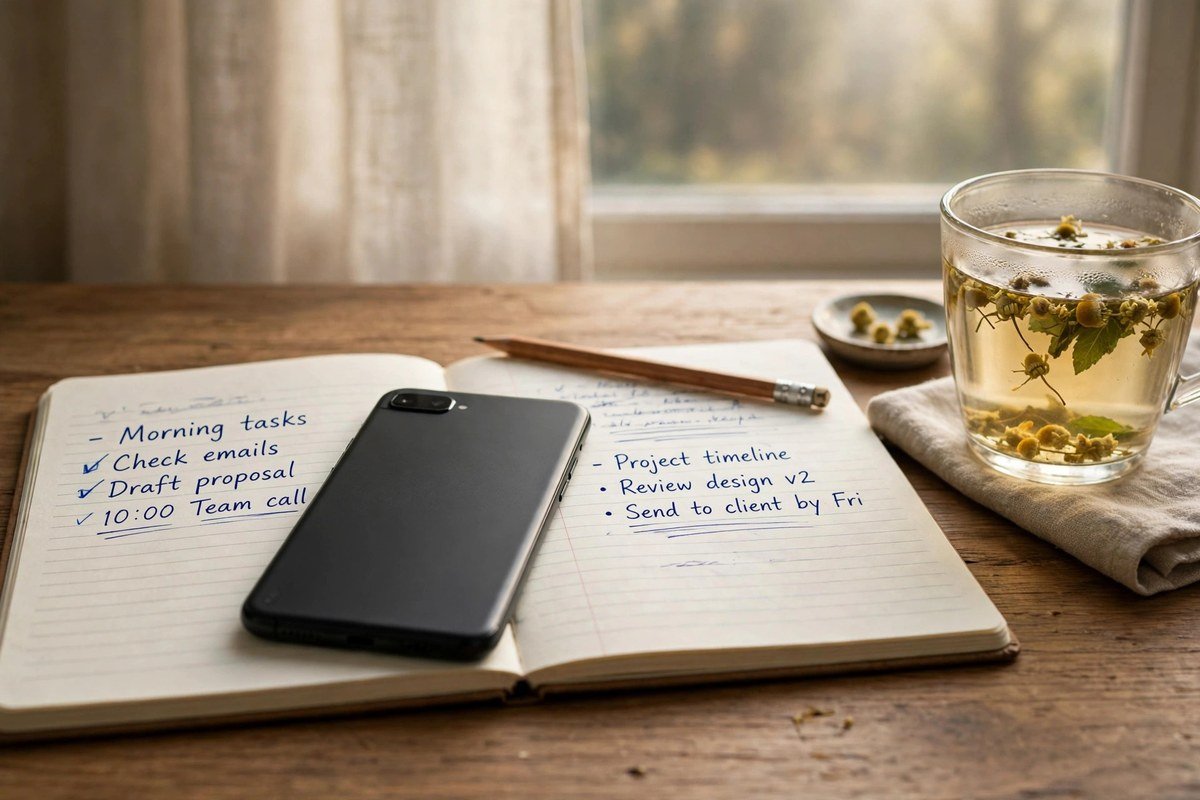
If you are new to these apps, start small. Pick one app and one feature, such as mood tracking, and use it once a day for two weeks. Do not try every feature at once, or you will feel overwhelmed and stop. Set a regular time, such as after breakfast or before bed, so the habit fits your day. Be honest in your entries, even when the mood is low, because honest data is most useful. Link the check-in to a habit you already have, such as morning tea, so the routine feels easy.
Common Mistakes to Avoid
A common mistake is to download many apps at once and use none well. One app used daily is better than five apps opened once. Another mistake is to treat the app as a cure. An app is a support tool, not a treatment, and it cannot replace professional help. A third mistake is to ignore privacy. Some apps collect personal data, so always read the privacy policy and avoid apps that share your data without clear permission.
Safety Guidelines
These apps are safe for most people, but there are limits you should respect. If you feel very low, hopeless, or unable to cope for more than two weeks, stop relying on the app alone and speak to a doctor or a qualified health professional. If you ever feel you may harm yourself, seek help at once from a local emergency service or a crisis helpline in your country. Do not use an app to delay getting help.
Frequently Asked Questions About Mental Wellness Apps
What are mental wellness apps?
Mental wellness apps are programs on your phone or tablet that offer tools to support your emotional wellbeing, such as mood tracking, journaling, sleep support, guided audio sessions, and habit reminders. They are support tools, not medical treatments, and they help you notice your feelings, build steady habits, and take small positive steps each day.
Are mental wellness apps free?
Many of these apps offer a free version with basic tools, such as mood tracking and a journal, while extra features may need a paid plan. The free version is often enough to start, and you can try it for a week before deciding whether the paid features are worth it. Always check what is free and what needs payment before you commit.
Do mental wellness apps really help?
These apps can help by giving structure to small daily habits, such as recording your mood, writing a journal, and keeping a regular sleep routine. They work best when you use them steadily over weeks and combine them with healthy routines, such as good sleep and time with people you trust. They are not a cure, and they do not replace professional help when you need it.
Which mental wellness app is best for sleep?
For sleep, look for apps that offer bedtime stories, relaxing sounds, and a gentle wind-down reminder. Calm is well known for its sleep stories and relaxing sounds, while Headspace and Insight Timer also offer sleep sessions and sounds. Try the free version of one app for a week and see whether you fall asleep more easily.
Can mental wellness apps replace therapy?
No, these apps cannot replace therapy. They are support tools that help with daily habits and self awareness, but they do not diagnose conditions or provide the personal guidance of a trained professional. If you feel very low or unable to cope, speak to a doctor or a qualified health professional, and use the app as a support alongside that care.
Are my notes private in mental wellness apps?
Your notes are usually stored in your account or on your device, and most of these apps let you protect them with a password. However, apps differ, so always read the privacy policy to see what data is collected and whether it is shared. Choose an app that is clear about privacy, and avoid any app that shares your personal data without your clear permission.
Questions or Feedback?
We would like to hear from you. For general questions write to contact@healthphysicalfitness.com or info@healthphysicalfitness.com. To report a correction or suggest a topic, email editor@healthphysicalfitness.com. For help using the website, contact support@healthphysicalfitness.com.
Medical Disclaimer
The information on this page is for educational purposes only and is not a substitute for professional medical advice, diagnosis, or treatment. Always consult your physician or another qualified health provider before beginning an exercise program, and never disregard professional advice because of something you read on this website. Please read our full Disclaimer, Privacy Policy, and Terms and Conditions.
Final Thoughts on Mental Wellness Apps
Mental wellness apps put simple, useful tools in your pocket, and they can help you notice your feelings, build small habits, and sleep better. Start with one app, use it once a day, and be patient. The benefit grows with steady use. If you ever need more support, speak to a professional, and let the app support you alongside that care. Your emotional health is worth a few minutes each day.
References
- World Health Organization (WHO). Mental health fact sheet.
- National Health Service (NHS). Mental health.
About the Author

Author Profile by Health Physical Fitness
This Mental Wellness Apps guide was prepared by the Health Physical Fitness editorial team, which publishes free, practical articles on exercise, nutrition, and healthy living. The team draws on recognized public health sources and avoids exaggerated claims. Keep learning with our Mental Health and Fitness, What Is Mental Wellness, and Healthy Lifestyle guides, or contact the team at editor@healthphysicalfitness.com.