Nutrition: Healthy Food Guides for Everyday Eating
Nutrition is the foundation of good health, because your body relies on food for energy, growth, repair, and protection. A balanced approach supplies carbohydrates, protein, fats, vitamins, minerals, fiber, and water in suitable amounts. This category from Health Physical Fitness gathers practical articles to help you eat well without strict rules.
Good nutrition is less about one food, one nutrient, or one restrictive diet, and more about the overall quality and variety of what you eat. It can support physical performance, concentration, immunity, healthy growth, and long-term well-being. For the bigger picture, see our Health Wellness guide.
Carbohydrates and Protein in Nutrition
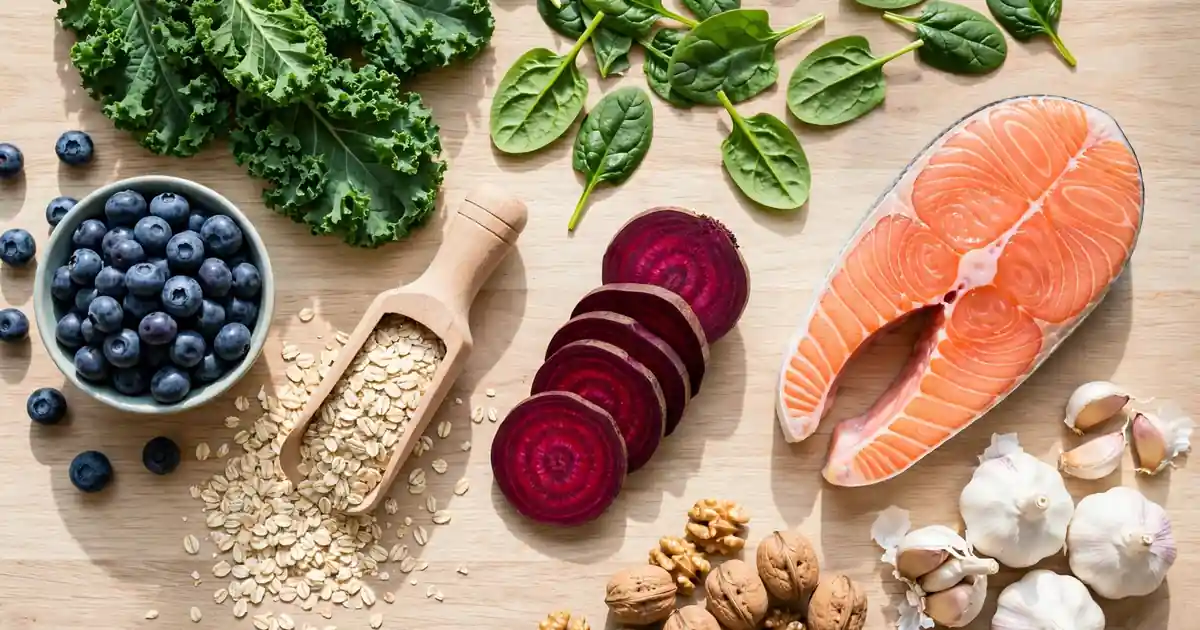
Carbohydrates are a main fuel source, especially for the brain and muscles. Whole grains, fruits, vegetables, beans, and lentils are good choices because they also bring fiber and useful micronutrients.
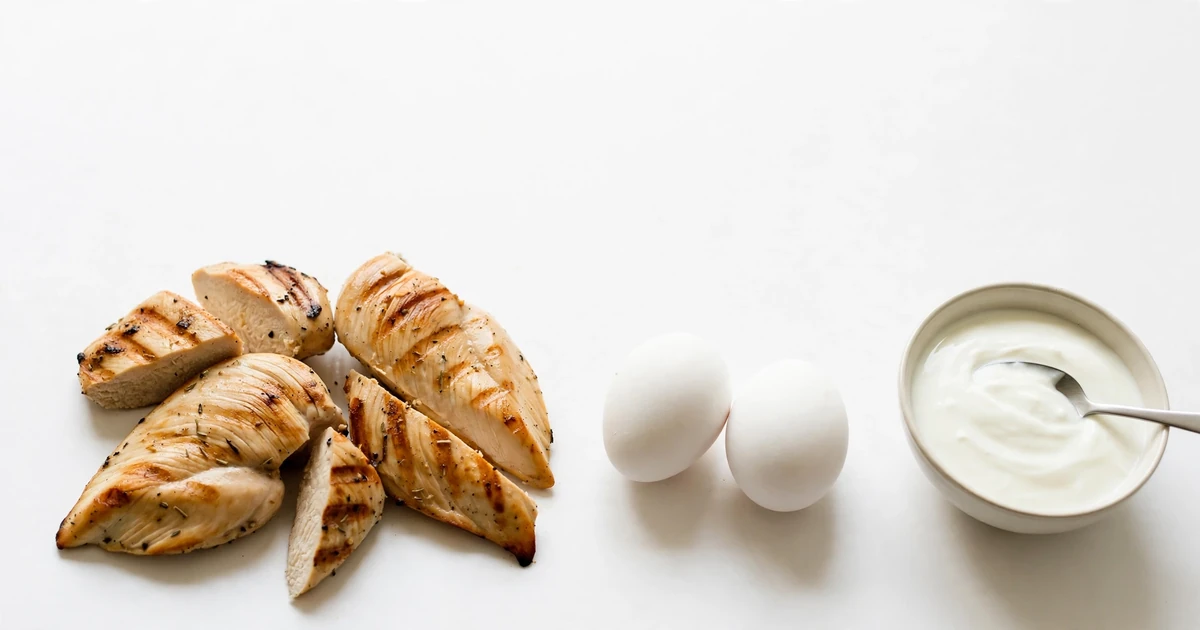
Protein helps build and maintain muscle, tissues, enzymes, and hormones. Eggs, fish, poultry, dairy, beans, lentils, nuts, and seeds all contribute. Mixing different protein sources adds variety, and good nutrition works hand in hand with regular movement. Read more in our Physical Fitness section.
Healthy Fats, Vitamins, and Minerals
Fats are essential. They help the body absorb certain vitamins, support cell structure, and provide concentrated energy. Unsaturated fats from nuts, seeds, avocados, and many plant oils are generally better choices than large amounts of saturated fat.
Vitamins and minerals are needed in smaller amounts but do important work. Iron supports oxygen transport, calcium supports bones and teeth, and vitamin A supports vision and immune function. A varied diet is usually the best way to get them.
Fiber and Digestive Health
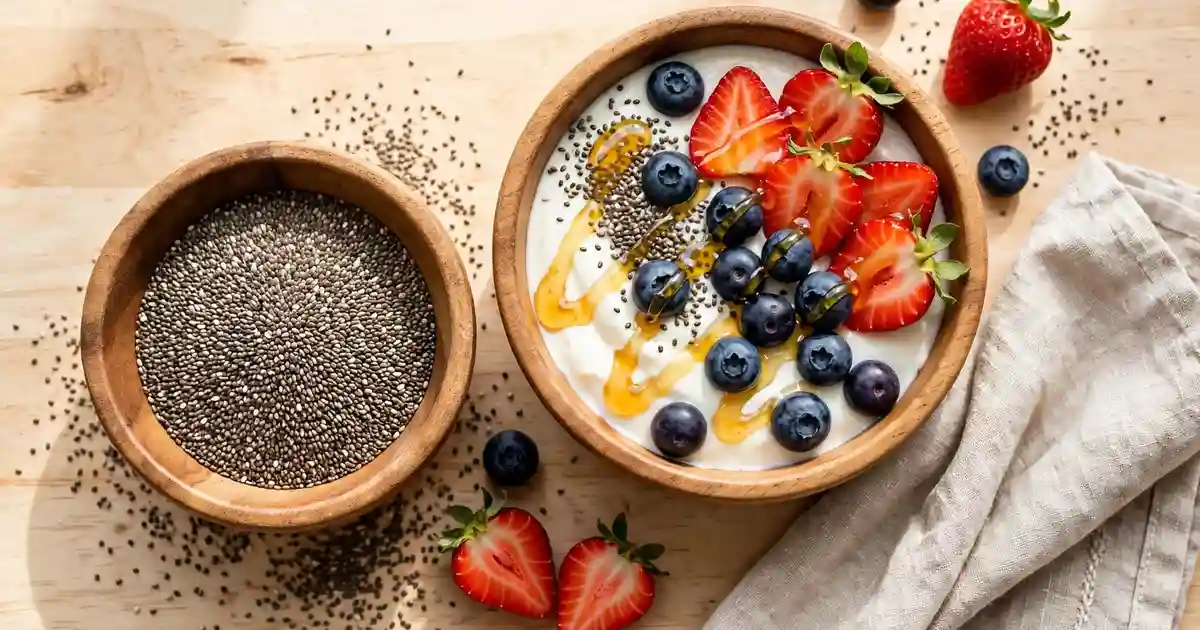
Fiber deserves special attention in a healthy eating pattern. It supports digestion, helps keep bowel movements regular, and can help you feel full. Fruits, vegetables, whole grains, legumes, nuts, and seeds are all good sources.
If you are not used to eating much fiber, increase it gradually and drink enough fluid so the change feels comfortable.
Hydration and Nutrition
Water takes part in temperature control, circulation, digestion, and many other body processes. How much you need depends on activity, climate, age, and health. Drink regularly through the day, and remember that water-rich foods count too.
Sugary drinks add a lot of sugar without much nutritional value, so it is sensible to limit them.
Food Quality and Eating Patterns
Build meals mostly from minimally processed foods, and enjoy highly processed foods in moderation. Foods high in added sugar, salt, and unhealthy fats are best eaten less often.
Reading nutrition labels helps you compare products and understand serving sizes, without turning eating into a puzzle. Pairing good nutrition with suitable exercise supports overall well-being, and you will find more ideas in our fitness guides.
Portions and Mindful Eating
Portion awareness can help, but no single portion size suits everyone. Needs depend on age, body size, activity, growth, pregnancy, and other personal factors.
Eating slowly and noticing hunger and fullness cues supports a calmer relationship with food. Regular meals that combine protein, high-fiber carbohydrates, vegetables or fruit, and healthy fats are filling and balanced.
Nutrition Through Different Life Stages
Needs change over a lifetime. Children and teenagers need enough nutrients for growth. Adults need balance to stay healthy and active. Older adults may need extra attention to protein, fiber, fluids, calcium, vitamin D, and overall nutrient density.
People with medical conditions, food allergies, or dietary restrictions may need personal guidance from a qualified healthcare or nutrition professional.
Healthy Eating on a Budget
Good nutrition does not have to be costly or complicated. Seasonal produce, beans, lentils, whole grains, eggs, and other affordable foods offer plenty of value. Planning meals, cooking at home when you can, and keeping healthy options within reach make good choices easier.
Food traditions matter too. Healthy eating can be adapted to local ingredients and personal taste. If your goal is a healthier body weight, our Weight Management section has more information.
Sustainable Nutrition Habits
The best approach is sustainable, not extreme. Crash diets and unnecessary restrictions are hard to keep up and can make it harder to meet your needs. Small, steady steps work better: add vegetables, choose whole grains more often, include enough protein, limit added sugar, and drink enough water.
Nutrition is not about perfection at every meal. It is about a balanced pattern that supports health, energy, and quality of life. Combined with sustainable habits, healthy eating can also support sensible weight goals.
Food Safety Basics
Food safety is part of good nutrition. Wash produce, cook foods thoroughly, avoid cross-contamination, and store perishable items at safe temperatures to lower the risk of foodborne illness.
Take nutrition information from qualified professionals and trusted health organizations, especially before major diet changes or supplements. Together with movement and healthy routines, informed choices support long-term well-being. Explore our Healthy Lifestyle section for more.
Nutrition FAQ
What is balanced nutrition?
It means eating a variety of foods in suitable amounts so you get enough energy, protein, healthy fats, vitamins, minerals, fiber, and water.
Do I need to follow a strict diet?
No. Sustainable, flexible habits usually work better than extreme diets, which can be hard to keep and may leave gaps in your nutrition.
Is healthy eating expensive?
Not necessarily. Seasonal produce, beans, lentils, whole grains, and eggs are affordable and nutritious.
Where can I find trusted nutrition information?
Look to qualified professionals and public health organizations such as the World Health Organization and the Centers for Disease Control and Prevention.
Contact the Team
For general questions write to contact@healthphysicalfitness.com or info@healthphysicalfitness.com. To suggest a topic or report a correction, email editor@healthphysicalfitness.com. For help using the website, contact support@healthphysicalfitness.com. You can also visit our Contact Us page.
Medical Disclaimer
The articles in this category are for general informational and educational purposes only and are not a substitute for professional medical or dietary advice. Please consult a qualified healthcare professional or registered dietitian about your personal needs, especially if you have a medical condition or allergy. Read our full Disclaimer for details.
Final Thoughts on Nutrition
Good nutrition is built one meal at a time, with variety, balance, and patience. Start with a small change, such as an extra serving of vegetables or a glass of water with each meal, and let healthy habits grow from there. Browse our Blog for more guides.
References
- World Health Organization (WHO). Healthy diet fact sheet.
- Centers for Disease Control and Prevention (CDC). Nutrition resources.
- Dietary Guidelines for Americans. Official nutrition guidance from U.S. agencies.
About the Author

Author Profile by Health Physical Fitness
This Nutrition category was prepared by the Health Physical Fitness editorial team, which publishes free, practical articles on healthy eating, fitness, and wellness. The team avoids exaggerated claims and relies on recognized public health sources. Continue with our Weight Management and Healthy Lifestyle guides, or write to editor@healthphysicalfitness.com.