
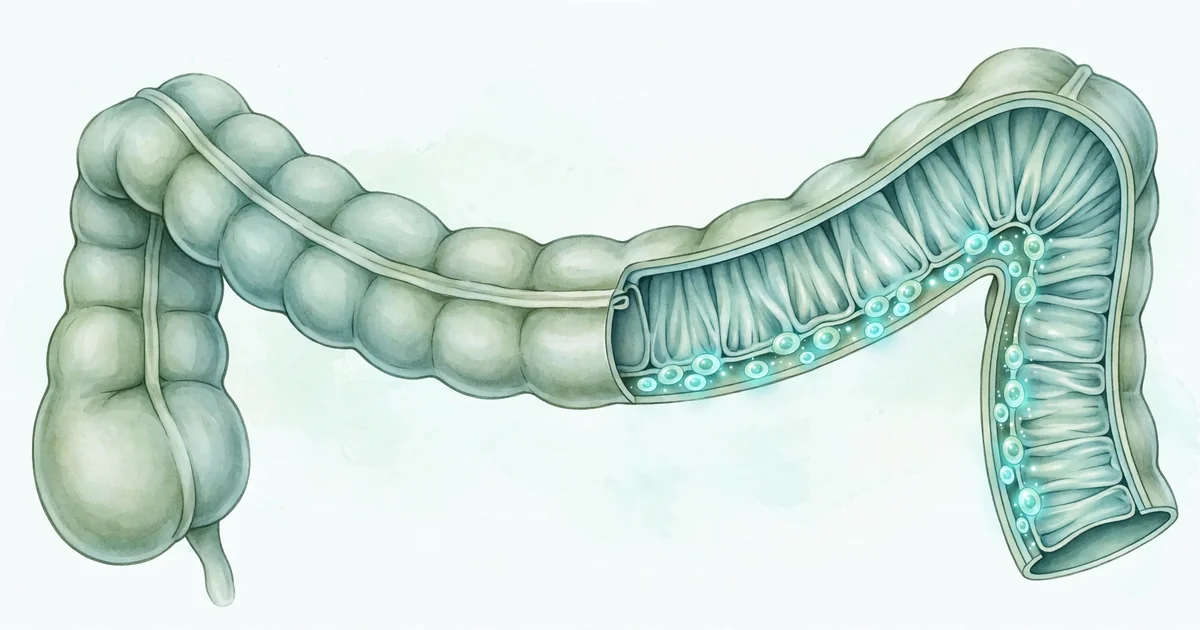
High fat diet colon cancer risk is under study after new research found that high-fat diets leave ‘memory’ in gut stem cells that may fuel colon cancer. The study, published in the journal Stem Cell Reports and reported by Medical News Today on 12 November 2026, used a mouse model to look at how a Western-style high fat diet changes the DNA of intestinal stem cells. The researchers found that the diet increased the number of intestinal stem cells and made them divide faster, and that some of the DNA changes stayed even after the mice switched to a low fat diet.
This article explains what the study found, what it did not prove, and what it may mean for everyday food choices, without alarm and without claims the research does not support.
What the New Study Found About High Fat Diet Colon Cancer Risk
For this study, researchers fed mice a Western-style high fat diet for about six months. At the end of that period, the mice in the high fat diet colon cancer study had gained more weight than the mice on a low fat diet, and they had developed more intestinal stem cells that grew faster. Scientists also found DNA changes in those stem cells, and they believe these changes explain why the cells grew more quickly. The work gives researchers a clearer cellular picture of how a high fat diet colon cancer link might work, though it does not prove the same process happens in people.
Intestinal stem cells are the cells that divide to replace worn-out cells and repair the lining of the gut. They are also one of the cell types in which tumors can start. Senior author Miyeko Mana, PhD, assistant professor in the School of Life Sciences at Arizona State University, explained in the high fat diet colon cancer study that a larger pool of actively dividing stem cells could create more chances for a cell carrying a cancer-driving mutation to grow into an early tumor. That is why the faster growth seen in the mice matters to the researchers, even though the study was done in animals.
Past research had already found that eating ultra-processed foods and high fat foods may raise high fat diet colon cancer risk. The high fat diet colon cancer study adds a possible mechanism at the level of the cell: the diet may change the stem cells themselves, not just the gut environment around them. The finding does not change the basic advice about healthy eating, but it does give scientists a new place to look when they study how diet and colon cancer are connected.
How High-Fat Diets Leave ‘Memory’ in Gut Stem Cells That May Fuel Colon Cancer
The phrase at the center of the high fat diet colon cancer study is simple to say and important to understand: high-fat diets leave ‘memory’ in gut stem cells that may fuel colon cancer. The word memory here does not mean the cells think or remember in the way people do. It means that the diet left lasting changes in how the DNA inside the stem cells is packaged, and those changes stayed even after the diet changed.
What changed was how the DNA was packaged and which regions were open to the machinery that turns genes on. Some of those changes were still present weeks after the mice returned to a low fat diet, even though the stem cells themselves had gone back to normal activity. In the words of Dr. Mana, the effects of a past diet may only become clear when the intestine is challenged again, which is a careful way of saying that the past may matter more than it first seems.
When the researchers in the high fat diet colon cancer study switched the high fat diet mice back to a high fat diet, their intestinal stem cells responded even more quickly and strongly than before. Early intestinal tumors also grew larger in mice that had eaten the high fat diet before than in mice that were eating it for the first time. The researchers say this raises the possibility that lasting changes in DNA packaging help shape how the intestine responds to later exposures, and they want to learn whether a similar process occurs in people.
Why High Fat Diet Colon Cancer Changes Stayed After a Low Fat Diet
One of the most talked-about results of the high fat diet colon cancer study is that switching to a low fat diet did not erase everything the high fat diet had done. Stem cell behavior returned to normal, which is good news, but about 18% of the DNA changes remained after four weeks on the low fat diet. That number is small, yet it shows that some effects of a long high fat diet can linger in the cells even after eating habits improve.
This does not mean that changing your diet is pointless. The high fat diet colon cancer study itself shows that stem cell activity went back to normal on a low fat diet, and the experts who commented on the research said that reducing chronic day-to-day fat exposure is still worth doing. The lasting changes are a reason to think about eating patterns over months and years, not a reason to give up on better habits today.
What Doctors and Dietitians Said About the Study
Ketan Thanki, MD, a board certified colorectal surgeon with the MemorialCare Todd Cancer Institute in Long Beach, California, was not involved in the research, but he told Medical News Today that the high fat diet colon cancer study gives a better cellular-level understanding of why a high fat diet may be linked to colon cancer. He said that for people facing high-fat diet colon cancer risk, some damage may have been done, yet they should still consider reducing the chronic day-to-day fat exposure in their diets. He also said this matters for children, so pediatricians and parents should take note of the long-term picture.
Monique Richard, MS, RDN, a registered dietitian nutritionist, spoke to Medical News Today and warned against the wrong lesson. She said she does not want people to walk away thinking all fat is bad, or that they need to eliminate oils or follow a strict low fat diet. Fat is an essential nutrient, she said, and the body needs healthy fats for cell membranes, hormone production, and the absorption of fat-soluble vitamins. What matters is the type of fat, the foods it comes from, what else is on the plate, and the overall pattern of eating over time.
High Fat Diet Colon Cancer: 5 Best Powerful Facts
Fact 1: The Study Used Mice, Not People
The high fat diet colon cancer research was done in a mouse model, not in people. Mice were fed a Western-style high fat diet for about six months, and the changes were seen in their intestinal stem cells. Mouse studies help scientists find possible mechanisms, but they cannot prove that the same process happens in humans, so every finding here should be read as early evidence, not as a final answer.
Fact 2: High-Fat Diets Leave ‘Memory’ in Gut Stem Cells That May Fuel Colon Cancer
The high fat diet colon cancer study found that mice on the high fat diet developed more intestinal stem cells, and those cells divided more often than the stem cells in mice on a low fat diet. Because intestinal stem cells are a cell type in which tumors can start, a larger and more active pool of them could give a cell with a cancer-driving mutation more chances to grow into an early tumor. That is the chain the high fat diet colon cancer study is describing, and each step still needs more study.
Fact 3: About 18% of the DNA Changes Stayed
After the mice switched to a low fat diet, their stem cell activity returned to normal, but about 18% of the DNA changes remained after four weeks. The changes were in how the DNA was packaged and which regions were open to the machinery that turns genes on. This is what the researchers mean when they say the diet left a memory in the cells, and it is the part of the study that surprised many readers.
Fact 4: Going Back to a High Fat Diet Made Stem Cells React Faster
When the high fat diet was given again in the high fat diet colon cancer study, the intestinal stem cells of mice that had eaten it before responded even more quickly and strongly than the cells of mice eating it for the first time. Early intestinal tumors also grew larger in the mice with the earlier high fat diet. The researchers say this suggests that past diet may shape how the gut responds to later exposures, though they are clear that this needs testing in people.
Fact 5: High Fat Diet Colon Cancer Is Still Early Research
This high fat diet colon cancer research is early stem-cell research, and it is one study, not a settled fact. The researchers themselves say they want to learn whether a similar process occurs in people and whether it influences cancer risk. Dr. Thanki added that new drugs designed to reverse these changes may one day be possible, but he was clear that we are a long way from having medical therapies for this, while diet and lifestyle changes can be made right now.
Simple Food Swaps for High Fat Diet Colon Cancer Risk
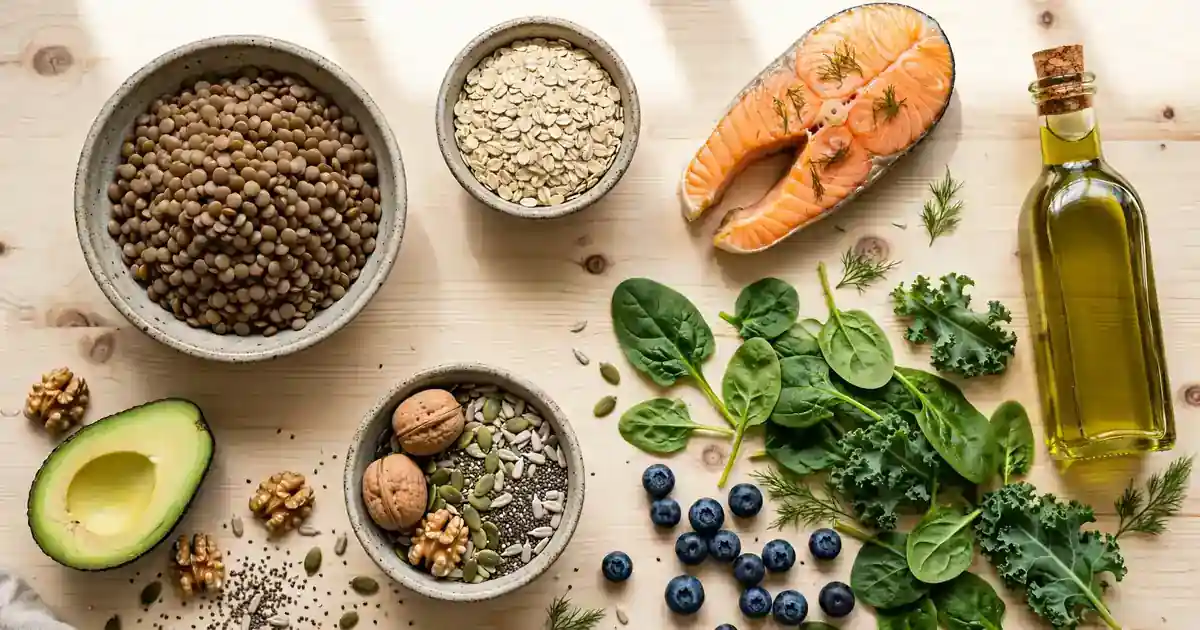
The dietitian who commented on the high fat diet colon cancer study offered practical places to start, and none of them involve cutting out all fat. Her first suggestion is to add fiber rather than focusing on restriction. Beans, lentils, oats, barley, berries, apples, pears, vegetables, nuts, and seeds all provide different types of fiber and a range of plant compounds that support overall health. Adding these foods to meals you already enjoy is easier to keep up than a strict new diet, and it fits the pattern the study points toward.
Her second suggestion is to look at cooking and ingredient swaps. Try olive oil in place of butter or beef tallow for everyday cooking, choose nuts or avocado instead of processed high-fat snacks, and try roasting, grilling, baking, or sauteing rather than deep-frying as often. Fast food and highly processed foods can combine large amounts of fat, refined carbohydrates, sodium, and calories with very little fiber, so looking at the whole meal matters more than blaming one ingredient. A side salad, fruit, beans, or vegetables can change a meal without changing everything about it.
- Beans and lentils: add them to soups, salads, and grain bowls for fiber and plant protein.
- Oats and barley: choose them for breakfast or as a base for a simple, filling meal.
- Olive oil: use it for everyday cooking in place of butter or beef tallow.
- Salmon with roasted vegetables and quinoa: a complete meal with healthy fats, fiber, and protein.
- Nuts, seeds, and avocado: satisfying snacks and toppings that replace processed high-fat snacks.
High Fat Diet Colon Cancer: Frequently Asked Questions
Does a high fat diet cause colon cancer?
No, the high fat diet colon cancer study does not prove that a high fat diet causes colon cancer. It was a mouse study, and it found that a high fat diet may change intestinal stem cells in ways that could raise risk. The researchers describe a possible mechanism, not a proven cause, and they say more work is needed to learn whether the same process happens in people. A single food or a single meal does not decide anyone’s risk; the pattern of eating over time matters much more.
What does ‘memory’ in gut stem cells mean?
In the high fat diet colon cancer study, memory means lasting changes in how DNA is packaged inside intestinal stem cells. The high fat diet changed which parts of the DNA were open to the machinery that turns genes on, and about 18% of those changes were still there four weeks after the mice switched to a low fat diet. The full finding is that high-fat diets leave ‘memory’ in gut stem cells that may fuel colon cancer, but the word may is doing real work there: the research is early, and the link in people is still unproven.
Can a low fat diet undo the changes?
Partly. When the mice in the high fat diet colon cancer study switched to a low fat diet, their stem cell behavior returned to normal, which is a real and encouraging result. But some of the DNA packaging changes remained, about 18% after four weeks. The experts who commented on the study still recommend reducing chronic day-to-day fat exposure, because the study shows that better eating habits do help the cells behave normally again, even if they do not erase every trace of the past diet.
Is all fat bad for gut health?
No. The dietitian who commented on the study was clear that fat is an essential nutrient and the body needs healthy fats for cell membranes, hormone production, and absorbing fat-soluble vitamins. What matters is the type of fat, the foods it comes from, and the overall dietary pattern. Olive oil, nuts, avocado, and salmon are very different from deep-fried fast food, even though both contain fat, and the study was about a Western-style high fat diet, not about healthy fats in general.
What foods support gut health?
Foods rich in fiber support gut health, and the high fat diet colon cancer study points toward a plant-rich pattern, including beans, lentils, oats, barley, berries, apples, pears, vegetables, nuts, and seeds. The dietitian also suggested building meals around plants with satisfying sources of protein and fat, such as salmon with roasted vegetables and quinoa, a lentil and vegetable soup with olive oil, or a grain bowl with beans, greens, avocado, and seeds. Small changes, kept steady, are the honest path to a healthier plate.
Final Thoughts on High Fat Diet Colon Cancer Risk
The high fat diet colon cancer study gives us a clearer picture of how a long high fat diet might leave a mark on the gut, and it does so without claiming more than the evidence allows. In mice, a Western-style high fat diet changed intestinal stem cells, made them grow faster, and left DNA packaging changes that partly stayed even after the diet improved. That is a serious finding, but it is also early research, and the researchers are the first to say that we do not yet know whether the same process happens in people.
What you can take from the high fat diet colon cancer study today is simple and steady. Eat more fiber, choose healthy fats like olive oil, nuts, and avocado, cook at home often, and think about the pattern of your meals over time. An occasional burger or fries does not decide your risk, and one healthy meal does not erase the past, but the pattern you build is the part you can control. If you have concerns about your own risk, talk with a qualified healthcare professional about screening and about the food choices that fit your health.
Disclaimer: This article is for educational and informational purposes only and is not medical advice. Always consult a qualified healthcare professional for any health concern.
Author Profile by Health Physical Fitness
I write evidence-based educational articles on health, fitness, wellness, nutrition, diet, weight management, healthy foods, lifestyle and skincare. All articles are for educational and informational purposes only, not medical advice.