
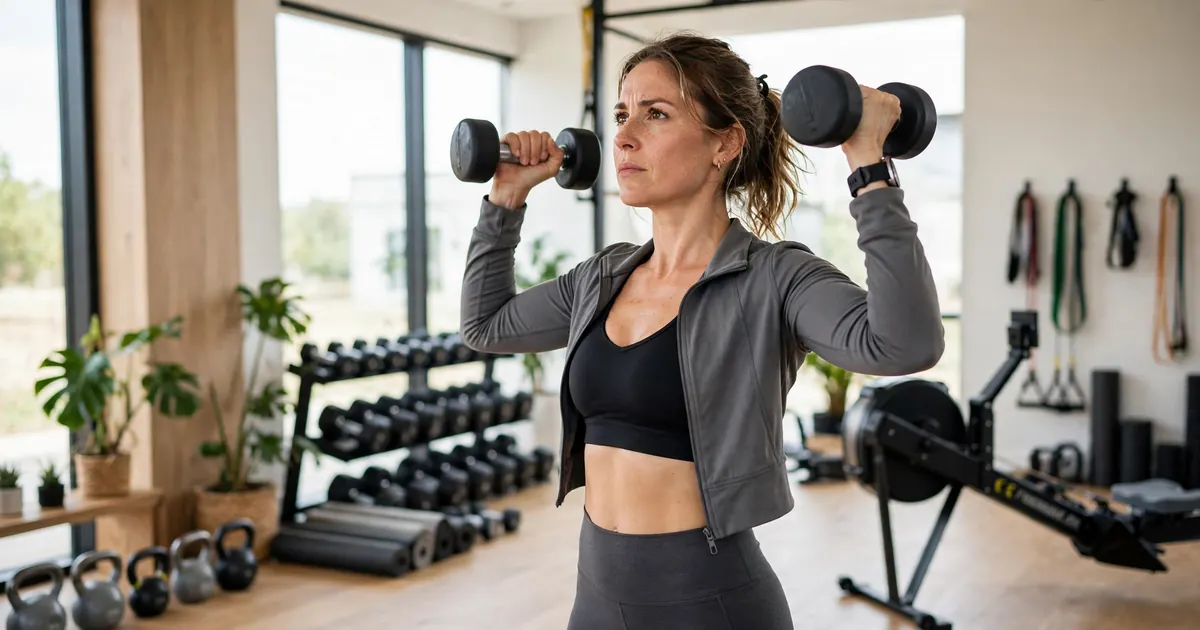
Strength training women is one of the smartest ways for women to build a strong, healthy body at any age. It means using weights, resistance bands, or your own body weight to make muscles stronger, and it works for beginners as well as for women who have trained for years. Many women still worry that lifting weights will make them bulky, but that fear is based on a myth, not on science. In truth, strength training women helps you feel stronger, move better, and stay independent as you age. This guide explains nine powerful benefits, how to start safely, and what to eat to support your progress.
What Is Strength Training for Women?
Strength training means any exercise that makes your muscles work against resistance. That resistance can come from dumbbells, barbells, kettlebells, resistance bands, weight machines, or even your own body weight in moves like squats and push-ups. When you lift, tiny fibres in the muscles work hard and then repair stronger during rest. Strength training women can do at home or in a gym, and the best routines use slow, controlled moves with good form. Strength training women do not need a gym membership to begin, and they do not need heavy weights on day one. A pair of light dumbbells and a simple plan are enough to start.
Women build strength like men do, but the visible results look different. Women have much less testosterone, so they gain lean, firm muscle instead of large bulk. Research shows that women often gain strength at a similar rate to men when they follow the same program. The World Health Organization recommends muscle-strengthening activities on two or more days each week for adults, and strength training women who follow this advice protect their bones, joints, and posture. It is never too late for strength training women to begin, and even small amounts of lifting bring real change.
9 Best Powerful Benefits of Strength Training Women
The benefits of lifting go far beyond bigger muscles. Strength training women notice changes in their energy, sleep, mood, and body shape within a few weeks of regular practice. Below are nine powerful benefits that explain why more women are adding weights to their weekly routine, and why doctors and trainers now call strength work an essential part of women’s health at every age. The changes keep growing as the weights get heavier, and most women say they wish they had started sooner.
1. Builds Lean Muscle Without Bulk
Lifting weights builds lean muscle that looks firm and toned, not bulky. Because women have lower testosterone levels than men, it is very hard for them to gain large muscle size from normal training. Strength training women who lift two or three times a week usually notice slimmer arms, firmer legs, and a stronger core within two months. Lean muscle also gives the body a healthy shape and makes everyday tasks like carrying groceries or climbing stairs feel easier. It also improves posture, because strong back and shoulder muscles hold the body upright all day.
2. Strengthens Bones and Fights Osteoporosis
Bones grow stronger when they carry weight, and lifting is one of the best ways to load them safely. After the age of thirty, women slowly lose bone density, and the loss speeds up after menopause. Strength training women who lift regularly slow this loss and lower their risk of osteoporosis and fractures. Squats, lunges, and deadlifts are especially helpful because they load the hips and spine, the areas most at risk. Weight-bearing exercise also helps the body absorb calcium better, which supports bone health further. Strong bones today mean fewer breaks later.
3. Speeds Up Metabolism
Muscle burns more energy than fat, even when you are resting. When you add lean muscle, your body uses more calories all day long, which makes weight control much easier. Strength training women often find that their metabolism stays higher for hours after a workout, a bonus known as the afterburn effect. This means lifting helps you burn calories long after you leave the gym. Over weeks and months, that extra burn adds up to real change. This higher burn continues even on rest days, which is why lifters often find weight control easier over time.
4. Supports Healthy Weight Loss
Many women try to lose weight with diet and cardio alone, but lifting makes the process work better. Cardio burns calories during the workout, while strength work protects muscle so the weight you lose comes mostly from fat. Strength training women who combine lifting with healthy eating keep more muscle and avoid the weak, tired feeling that crash diets often cause. The scale may move slowly, but clothes fit better and the body looks firmer. Lifting also keeps energy levels steadier, so you feel less tired and less tempted by sugary snacks. That is real progress.
5. Eases Menopause Symptoms
Menopause brings hot flashes, poor sleep, mood swings, and fast muscle loss. Lifting helps with all of these. Regular strength work improves sleep quality, steadies mood, and protects the muscle and bone that hormones no longer guard. Strength training women in midlife often report fewer hot flashes and more daytime energy after a few months of training. It also helps control the belly weight gain that many women notice during menopause. For women in their forties, fifties, and beyond, weights are a powerful tool. Strong muscles also protect joints, which often ache more during menopause.
6. Improves Balance and Prevents Falls
Strong legs and a strong core keep you steady on your feet. As women age, weak muscles and poor balance raise the risk of falls, and a fall can lead to a serious fracture. Strength training women who practise single-leg moves, step-ups, and core work build the balance that protects them in daily life. Better balance also improves posture and walking speed, which keeps you active and independent. A few minutes of balance work in each session makes a lasting difference. These moves also strengthen ankles and knees, which adds even more stability on stairs and uneven ground.
7. Lifts Mood and Reduces Stress
Lifting weights is a proven mood booster. Exercise releases endorphins, the brain chemicals that ease stress and lift spirits, and the focus needed for good form pushes worries aside for a while. Strength training women often say they feel calmer and more confident after a session, even on hard days. Studies link regular resistance training with better mental health and lower rates of anxiety and low mood. The sense of progress, as weights slowly get heavier, adds a real feeling of achievement that carries into daily life. Training with a friend or in a class adds a social boost that makes sessions more enjoyable.
8. Improves Sleep Quality
Good sleep and strong muscles support each other. People who lift regularly tend to fall asleep faster and sleep more deeply, because the body needs rest to repair muscle. Strength training women who train in the morning or afternoon often notice better nights within two to three weeks. Deep sleep then helps muscles recover and grow, which makes the next workout feel easier. Avoid very hard sessions late at night, since they can leave you too wired to sleep. Better sleep also means better recovery, so your muscles repair well and you wake up feeling fresh.
9. Builds Confidence and Independence
There is something powerful about lifting a weight you could not lift a month ago. That progress builds confidence that reaches far beyond the gym. Strength training women learn to trust their bodies, set goals, and meet them, which changes how they carry themselves at work and at home. Independence matters too: strong muscles let you lift, carry, and move without help. For many women, the gym becomes a place where they feel capable, focused, and proud of what their body can do. That confidence often shows in everyday choices, from trying new activities to speaking up at work.
How to Start Strength Training for Women Beginners
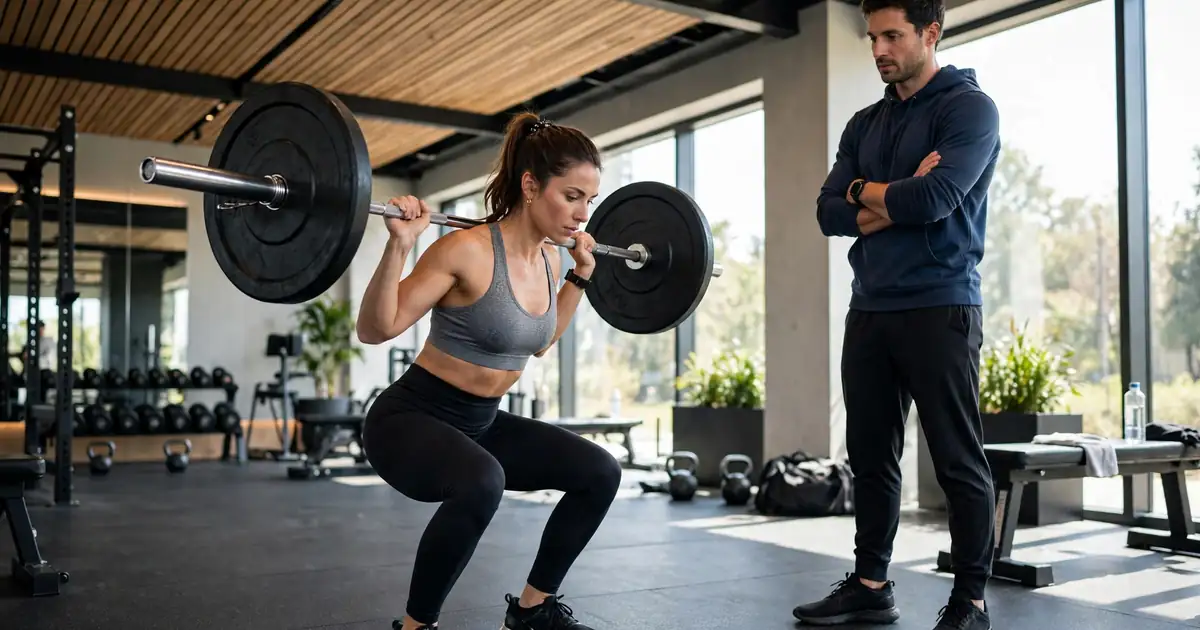
Starting is simple, and you do not need experience. Strength training women beginners should start with light weights and learn the basic moves first: squats, lunges, push-ups, rows, and glute bridges. Train two or three days a week, with at least one rest day between sessions, and keep each session to about thirty to forty-five minutes. Focus on slow, controlled reps, and stop a set when your form starts to break down. Good form matters far more than heavy weights. Choose weights that feel challenging on the last two reps but still allow good form, and warm up before each session to prepare muscles and joints.
Warm up for five to ten minutes before every session with light cardio and gentle stretches. Begin each exercise with a weight you can lift for ten to twelve smooth reps, and add a little weight only when those reps feel easy. Strength training women who rush into heavy lifting often get sore or injured, so patience pays off. Track your workouts in a notebook or app, because seeing your numbers rise keeps you motivated. If you feel pain in a joint, stop and check your form or ask a trainer. Good shoes with flat soles help you stay stable during squats and deadlifts.
Myths About Weight Training for Women
The biggest myth is that lifting makes women bulky. It does not. Women lack the hormones needed for large muscle growth, and even female bodybuilders train for years with strict diets to look that way. Strength training women who lift normally gain firm, lean muscle and lose fat, which makes the body look smaller and more toned, not bigger. If your clothes feel tighter at first, it is usually temporary water retention in muscles that are adapting. Give it a few weeks. In fact, most women who lift find their waist and hips get smaller as fat drops and muscle firms up.
Another myth says cardio alone is enough for fitness. Cardio is great for the heart, but it does not build muscle or protect bones the way lifting does. A third myth claims older women should avoid weights, yet research shows the opposite: older adults gain the most from strength work. Strength training women over sixty can still build muscle, improve balance, and walk faster. Age is a reason to lift, not a reason to avoid it. Lifting also improves bone density and joint health, which cardio alone cannot do as well. The best plan combines both: cardio for the heart and weights for muscle and bone.
What to Eat to Support Strength Training Women
Food is the fuel that builds muscle. Protein matters most, because muscles need it to repair and grow after training. Strength training women should aim for a palm-sized portion of protein at each meal, from foods like eggs, chicken, fish, lentils, yoghurt, or tofu. A small protein-rich snack within a couple of hours after training helps recovery. You do not need expensive powders, but a simple shake can help on busy days when a full meal is hard to manage. Spread protein across the day instead of eating it all at one meal, so muscles get a steady supply.
Carbohydrates give you energy for hard sessions, so do not cut them out completely. Whole grains, fruit, and vegetables work well before and after workouts, and water keeps performance high. Strength training women who eat too little often feel tired and stop progressing, so eat enough to support your training. A balanced plate with protein, carbs, and healthy fats beats any strict diet. Keep a water bottle nearby during training, and sip regularly instead of waiting until you feel thirsty. For meal ideas, see our healthy foods guide for simple, everyday options.
A Simple Weekly Plan for Strength Training Women
A three-day plan is enough for beginners and fits a busy week. Strength training women who follow this plan train on Monday, Wednesday, and Friday, with rest or gentle walking on the other days. Each session covers the whole body with five or six moves, and the same moves repeat each week so you can track progress. Add a little weight or one extra rep when a move feels easy. Rest well, eat well, and let the plan work. Warm up for five minutes before each session, and finish with gentle stretches for the muscles you worked.
- Monday: squats, push-ups, dumbbell rows, glute bridges, and planks.
- Wednesday: lunges, shoulder press, deadlifts, band pull-aparts, and side planks.
- Friday: repeat Monday’s moves with slightly heavier weights.
- Rest days: gentle walking, stretching, or light yoga.
- Each week: add one rep or a small amount of weight.
Frequently Asked Questions About Strength Training Women
Will strength training make women bulky?
No. Women have far less testosterone than men, so normal lifting builds lean, toned muscle rather than large bulk. Most strength training women who lift regularly look slimmer and firmer, not bigger. It takes years of very heavy training and a strict diet to build the large muscles seen in competitive bodybuilders.
How many days a week should women lift weights?
Two to three days a week is ideal for most women, especially beginners. This gives muscles time to recover and grow between sessions. Train on non-consecutive days, such as Monday, Wednesday, and Friday, and keep each session to about thirty to forty-five minutes.
What is the best strength training for women beginners?
The best start is a simple full-body routine with basic moves: squats, lunges, push-ups, rows, and glute bridges. Use light dumbbells or resistance bands, learn good form first, and add weight slowly. A trainer can check your form in the first few sessions.
Can women over 50 start strength training?
Yes, and strength training women find it is one of the best things they can do. Lifting after fifty protects bone density, preserves muscle, improves balance, and eases menopause symptoms. Start light, move slowly, and build up over weeks. Many women begin in their sixties and still make strong progress.
Do women need protein powder for strength training?
No, protein powder is not required. Most women can get enough protein from food such as eggs, chicken, fish, lentils, and yoghurt. A shake is only a convenience for busy days. Focus first on eating a palm-sized portion of protein at each meal.
Is strength training safe during menopause?
Yes, for most women it is safe and very helpful. Lifting supports bone density, muscle, mood, and sleep during menopause. Start with light weights, warm up well, and speak to your doctor first if you have a health condition such as osteoporosis, high blood pressure, or a joint problem.
Final Thoughts on Strength Training Women
Strength training is one of the best gifts women can give their bodies. It builds lean muscle, protects bones, speeds up metabolism, and lifts mood, all without making you bulky. Start light, train two or three days a week, eat enough protein, and be patient with your progress. The weights will get heavier, your body will get stronger, and your confidence will grow with every session. Pick up those dumbbells this week and see the change for yourself. Your future self will thank you for starting today.
Disclaimer: This article is for educational and informational purposes only and is not medical advice. Always consult a qualified healthcare professional for any health concern.

Author Profile by Health Physical Fitness
I write evidence-based educational articles on health, fitness, wellness, nutrition, diet, weight management, healthy foods, lifestyle and skincare. All articles are for educational and informational purposes only, not medical advice.
Contact the editor: editor@healthphysicalfitness.com