
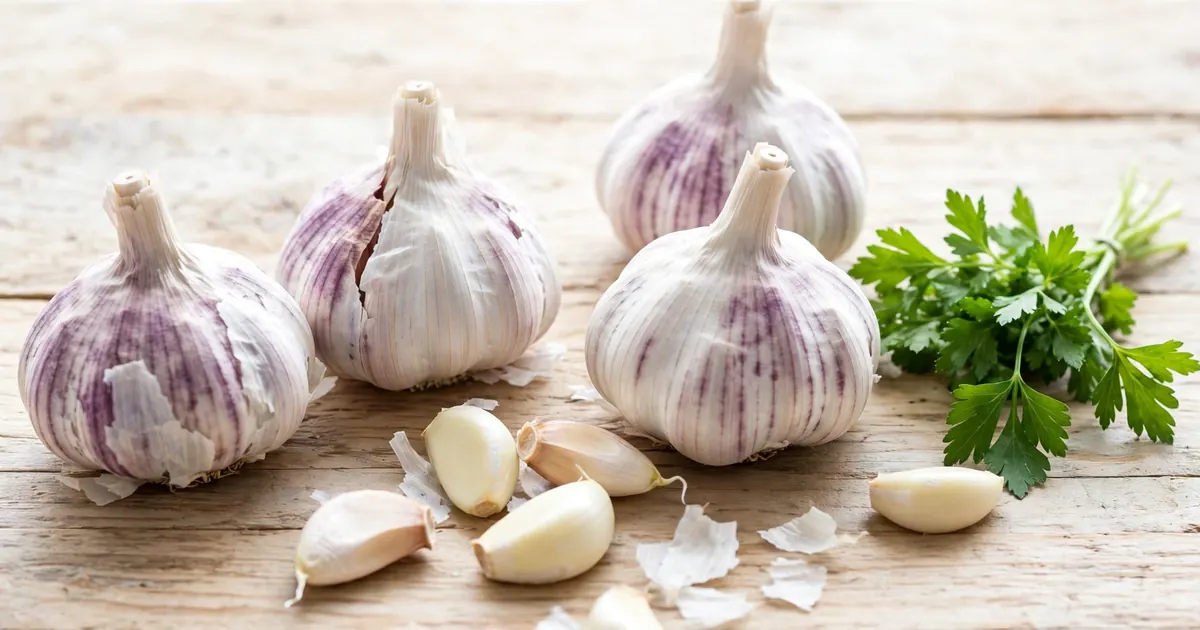
Garlic benefits your body in more ways than most people realise. This white bulb, used in kitchens for thousands of years, is one of the most studied foods, and the garlic benefits research keeps finding go far beyond flavour. Garlic adds a taste to any savoury dish, yet it also carries a natural compound called allicin, which forms when you crush or chop a clove. This guide explains 9 best powerful health facts about garlic, so you can see what a single clove may do for you.
Garlic has been part of cooking and traditional medicine for thousands of years, from ancient Egypt and Greece to China and India. People used it to flavour food, and also trusted it to support strength and fight illness. Modern science has now tested many of those old claims, and the results are promising. The garlic benefits found in studies are real but modest, and garlic works best as part of a healthy diet, not as a cure on its own.
What Are the Garlic Benefits You Should Know?
The garlic benefits you hear about come from allicin, the sulphur compound behind its strong smell. When you crush, chop or chew raw garlic, an enzyme turns a compound called alliin into allicin. Allicin is unstable and breaks down quickly, which is why fresh garlic matters more than old powder. It drives much of the research on garlic, and it gives garlic its smell. Cooking softens the smell, but it also reduces allicin, so how you prepare garlic changes what you get from it.
Garlic also holds useful nutrients in small amounts: vitamin C, vitamin B6, manganese, selenium and fibre. One clove has only a few calories, so garlic adds flavour and nutrients without much energy. The garlic benefits in this guide come from the whole food, not from a single nutrient, and they build up when garlic is part of your regular meals. Garlic is a food first, and its benefits come from eating it often, in normal amounts, as part of a balanced diet.
Garlic Benefits: 9 Best Powerful Health Facts
Here are 9 best powerful health facts about the garlic benefits you can gain from this simple food. Each one is backed by research, and each one is explained in plain words. Read them in order, or jump to the one that matters most to you. Together, they show why garlic deserves a place in your kitchen every day.
1. Supports Heart Health
One of the best-known garlic benefits is support for heart health. Garlic may help the heart in small ways: it may support healthy blood flow, help keep blood vessels flexible, and reduce some of the strain on the heart. Studies link regular garlic eating with better heart health markers, though the effects were modest. Garlic is not a treatment for heart disease, and it cannot replace prescribed medicine. But in a heart-friendly diet with vegetables and whole grains, garlic may help your heart.
The heart benefits of garlic seem to come from its sulphur compounds, which may help blood vessels relax and may reduce damage from free radicals. Free radicals are unstable molecules that harm cells over time, and antioxidants limit that harm. Eating garlic a few times a week is the pattern linked with heart benefits. You need no large amounts: one or two cloves a day is enough, and the garlic benefits for your heart build up slowly, over months, not in one meal.
2. May Help Lower Blood Pressure
High blood pressure is a common health problem, and it raises the risk of heart attacks and strokes. Some studies suggest garlic may help lower blood pressure a little, especially where blood pressure is already high. In these studies supplements were used most often, with modest drops of a few points. Food garlic may help too, though less than supplements. Garlic is one of the foods in our guide to foods that lower blood pressure, alongside leafy greens, berries, oats and beetroot.
If you take blood pressure medicine, garlic is no replacement for it, so keep taking it as advised. Garlic helps most in an overall pattern of less salt, more vegetables, regular movement and steady weight. The garlic benefits for blood pressure are modest, but they are real, and they grow when garlic is part of a healthy diet. Garlic makes low-salt food taste better, helping you stick to a heart-friendly diet. Add crushed garlic to soups and stews, and let flavour replace some salt.
3. Supports the Immune System
Garlic has a long history as a cold remedy, and some research supports that habit. Studies suggest garlic may support the immune system against common infections. In one study, people who took a garlic supplement through winter had fewer and shorter colds than those on a placebo. That study is one reason the garlic benefits for colds are so often talked about. The study was small, so the result is promising, not certain, yet it matches what many people notice.
The immune support from garlic may come from allicin and other sulphur compounds, which seem to help immune cells work better. Regular garlic may keep your defences stronger, especially in cold weather. Garlic works best here as a regular habit, not as a one-off cure when you are already ill. A clove or two in daily cooking through winter is a simple way to support your immune system, and the garlic benefits for immunity are one more reason to keep garlic in your kitchen.
4. Rich in Antioxidants
Garlic contains antioxidants, the natural compounds that help protect your cells from damage caused by free radicals. Free radicals build up from body processes, pollution and sunlight, and over time they harm cells and speed ageing. Antioxidants in food help limit that damage, and garlic is a useful source. The garlic benefits linked with antioxidants are not dramatic on their own, but they add to the protection of a diet rich in vegetables and whole grains.
Aged garlic, stored for months until soft and dark, is especially rich in antioxidants, and most supplement studies use aged garlic extract. Fresh garlic still contains useful antioxidants, along with vitamin C, which is itself an antioxidant. Cooking reduces some of these compounds, so raw or lightly cooked garlic keeps more of them. You need not eat garlic raw to gain from it: even cooked garlic adds antioxidants to your meals, and the garlic benefits for your cells add up over time.
5. Garlic Benefits for Healthy Cholesterol
Cholesterol is a fatty substance in your blood, and high levels of LDL, or bad, cholesterol raise the risk of heart disease. Some studies suggest garlic may help lower total cholesterol and LDL cholesterol a little. The drops in research were modest, clearest in people with high cholesterol. Garlic is not a replacement for cholesterol medicine, and follow your doctor’s advice if your cholesterol is high. But the garlic benefits for cholesterol are a useful bonus on top of a healthy diet.
The cholesterol effect may come from the sulphur compounds in garlic, which seem to slow down how the liver makes cholesterol. Eating garlic with healthy foods that are already good for cholesterol, such as oats, beans, nuts and oily fish, may help more than garlic alone. Use garlic in your cooking most days, keep saturated fat low, and let your diet do the steady work. Small daily changes matter more than any single food.
6. Supports Healthy Digestion
Garlic may also support digestion. It is a prebiotic food, which means it feeds the good bacteria that live in your gut. A healthy gut helps you digest food and stay regular, and garlic is one of the foods that may help keep it balanced. The garlic benefits for digestion are gentle and build up over time, as part of a diet with plenty of fibre from vegetables, fruit, beans and whole grains.
Some people find raw garlic hard on the stomach, and large amounts can cause bloating or heartburn. Cooking garlic makes it gentler, and most people can eat cooked garlic without any trouble. If garlic upsets your stomach, start with small amounts in cooked food. Roasted garlic is soft, sweet and much milder than raw garlic, and the garlic benefits for your gut stay in cooked garlic too.
7. Garlic Benefits for Blood Sugar Balance
Blood sugar control matters for everyone, not only for people with diabetes. Steady blood sugar means more energy and less hunger between meals. Some studies suggest garlic may help blood sugar balance, by supporting how the body uses insulin. The evidence is still early, and the effects seen in studies were modest, but the garlic benefits for blood sugar are promising, especially in a diet low in sugar and refined foods.
Garlic has almost no calories and no sugar, so it adds flavour without raising blood sugar at all. That helps anyone watching their blood sugar, because it helps meals taste good without adding sugar or salt. Add it to vegetables, lentils and whole grains for a tasty meal that keeps you full. If you have diabetes or take blood sugar medicine, ask your doctor before using garlic supplements, because garlic may add to the effect of your medicine.
8. Supports Bone Health
Bone health is easy to forget until weak bones lead to fractures. Calcium, vitamin D and exercise matter most for bones, but some research suggests the garlic benefits for bones are real, though small. Studies in women after menopause linked garlic with better bone health markers, and animal studies agree. The evidence is early, and garlic alone will not protect your bones, but it may add a small benefit on top of the basics.
The bone benefits of garlic may come from its effect on oestrogen levels and from its antioxidants, which may slow bone loss with age. Eating garlic as part of a diet rich in calcium foods, such as yoghurt, leafy greens and beans, is the practical way to use it. Weight-bearing exercise like walking matters even more for bones, and garlic is a small extra that fits easily into that healthy pattern.
9. May Help the Body Clear Toxins
Your body clears toxins through the liver and kidneys, and some foods, garlic included, may support that work. Studies suggest the sulphur compounds in garlic may help the liver process harmful substances, and one study of workers exposed to lead found that garlic reduced lead levels in their blood. The study was small, with high exposure, so it does not mean garlic detoxes everyone, but it shows how garlic may support the body’s own cleaning systems.
The garlic benefits for detox work best as part of a normal healthy diet, not as a special detox plan. Your liver and kidneys already clean your blood daily, and they work best when you drink enough water, eat vegetables and avoid excess alcohol. Garlic adds to that pattern, and it does so in a simple, everyday way. No detox drinks or harsh cleanses are needed: a clove in your cooking is enough.
How to Add Garlic to Your Daily Diet
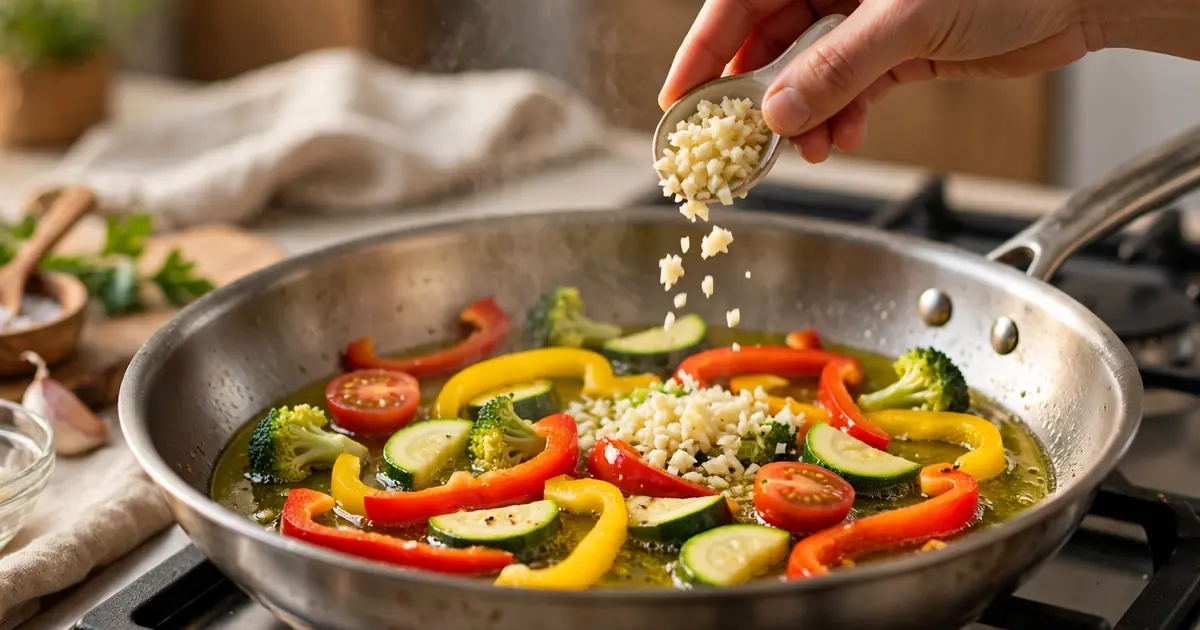
Adding garlic to your diet is easy, as it fits almost any savoury dish. Crush or chop a clove into soups, stews, curries and roasted vegetables. Let crushed garlic sit for about ten minutes before cooking, so the enzyme has time to make allicin, the compound behind many garlic benefits. Add garlic near the end of cooking, as long, high heat reduces allicin. Roasted garlic is soft and sweet, and spreads like butter.
Start with one or two cloves a day, the amount used in most research. If you are new to garlic, start with one clove in cooked food. Garlic suits other healthy foods, such as chia seeds, oats and leafy greens. The Harvard Nutrition Source guide to garlic explains its nutrients and uses. Store garlic in a cool, dry place, keeping bulbs whole until needed, as they stay fresh longer.
Fresh Garlic or Garlic Supplements?
Most research uses fresh garlic or aged garlic extract in supplements. Supplements give a fixed dose, but they are not the same as food. Fresh garlic gives you allicin, fibre and other nutrients together, and it costs far less. The National Center for Complementary and Integrative Health notes that the evidence for garlic supplements is mixed, and it advises talking to a doctor before using them. For most people, fresh garlic in food is the better choice.
Garlic supplements may interact with medicines, especially blood thinners, and they can cause stomach upset, bad breath and body odour. Their quality is not checked like medicines, so the active amount can vary. If you are thinking about a garlic supplement, ask your doctor first, especially if you take medicine, are pregnant, or have surgery planned. Food garlic in normal amounts is safe for almost everyone.
Garlic Benefits: Frequently Asked Questions
What are the garlic benefits for heart health?
Garlic may support heart health by helping blood flow and blood pressure, and by keeping blood vessels flexible. Studies link regular garlic eating with better heart markers, though effects are modest. It works best in a heart-friendly diet, and it cannot replace prescribed medicine.
Can I eat raw garlic every day?
Yes, most healthy adults can eat one or two cloves of raw garlic a day, but it is strong and may upset your stomach or cause bad breath. Start with half a clove, chewed with food. Crush it and let it sit ten minutes to form allicin. Cooked garlic is gentler if raw garlic bothers you.
Does cooking destroy garlic benefits?
Cooking reduces some allicin, but it does not destroy all of the garlic benefits. Light cooking keeps more useful compounds than long, high-heat cooking. Crush garlic, let it sit ten minutes, then add it near the end of cooking. Roasted garlic is milder and still adds flavour.
How much garlic should I eat each day?
One or two cloves a day is sensible, matching the amount used in most research and everyday cooking. More garlic does not mean more benefit, and too much raw garlic can upset your stomach. Use it most days as one part of a balanced diet.
Who should be careful with garlic?
People on blood-thinning medicine, such as warfarin, should ask their doctor before eating large amounts of garlic or taking supplements, as garlic may add to the effect. Raw garlic may upset weak stomachs. Tell your doctor about garlic supplements before surgery. Normal cooking amounts are safe for almost everyone.
Final Thoughts on Garlic Benefits
Garlic is a small food with a big reputation, and research gives it real support: 9 benefits in this guide, from heart health and blood pressure to immunity, digestion and bone health. The garlic benefits are modest alone, but they add up in daily cooking. One or two cloves a day, crushed and left to rest, is all it takes.
Start today. Add a clove to tonight’s cooking, keep a bulb on your shelf, and let garlic become a habit. If you take medicine, especially blood thinners, ask your doctor first. Small foods, eaten daily, build lasting health, and garlic is one of the simplest foods.
Disclaimer: This article is for educational and informational purposes only and is not medical advice. Always consult a qualified healthcare professional for any health concern.
