

High sugar breast cancer risk was linked to eating high-sugar foods like cereal linked to 28% higher breast cancer risk in research reported by Medical News Today on 9 November 2026. The finding does not say that sugar causes breast cancer, and it does not say that one bowl of cereal will harm you. It says that people who ate two or more servings of high-sugar foods each week had a higher breast cancer risk than people who ate them rarely. This guide explains what the study found, what it did not prove, and which swaps can lower the sugar in your breakfast without losing the foods you enjoy.
High sugar breast cancer headlines can sound frightening, so it helps to slow down and read what the numbers actually say. A 28% higher risk sounds large, yet it is a relative figure: it compares one group with another, and it says nothing on its own about how large the risk was to begin with. A small rise on a small starting risk stays small, and a large rise on a large starting risk matters more. That is why this guide keeps the numbers in context, explains the study, and never turns a link into a warning about a single food.
High sugar breast cancer is a topic where careful words matter more than strong ones. Sugar is not poison, and cereal is not a danger food, yet a steady diet high in added sugar is linked with weight gain, and weight gain after the menopause is linked with higher breast cancer risk. Those two links are real, but they are not the same as proof that sugar itself causes cancer. Keep that distinction in mind as you read, and you will get far more from this guide than fear.
High Sugar Breast Cancer: What the New Study Found
Eating High-Sugar Foods Like Cereal Linked to 28% Higher Breast Cancer Risk
High sugar breast cancer risk was the question behind the headline: researchers looked at how often people ate high-sugar foods and how their breast cancer risk compared over time. People who ate two or more servings of high-sugar foods each week had a 28% higher breast cancer risk than people who ate them rarely or never. Cereal was the example named in the headline, because sweetened breakfast cereals are one of the most common high-sugar foods in a morning meal. The finding was reported by Medical News Today on 9 November 2026, and it is the study this guide is built on.
A serving in this kind of research usually means one bowl of cereal, one sweetened drink, or one portion of a sugary food, though the exact size can differ between foods. Two servings a week is not a large amount: a bowl of sweetened cereal on Saturday and another on Sunday already reaches it. That is why the finding caught attention. It describes ordinary eating, which is why the high sugar breast cancer finding feels close to home for many readers.
Two or More Servings a Week
High sugar breast cancer risk rose with frequency in the study, which is the pattern researchers look for when they judge whether a link is worth attention. The more often people ate high-sugar foods, the higher the risk appeared, and that steady pattern is stronger evidence than a single odd result. Even so, a pattern is still a pattern, and patterns need more proof before they become advice. It shows that two things move together, and it leaves open the question of what else might explain the link.
The honest reading is that high sugar breast cancer risk was linked to frequent high-sugar eating, and the link held after the researchers accounted for other factors. That careful adjustment matters, because people who eat a lot of sugar often differ in other ways too, such as weight, exercise and alcohol. When a link survives those adjustments, it becomes harder to dismiss, yet it still does not prove cause. The next section explains why that line matters so much, and why the word linked does so much work in every honest headline.
High Sugar Breast Cancer Risk: What ‘Linked To’ Really Means
A Link Is Not Proof
High sugar breast cancer risk was described as linked to high-sugar eating, and that word, linked, does most of the work in the headline. A link means that two things appear together more often than chance would suggest. It does not mean that one caused the other. People who eat more sugar may also weigh more, move less, or drink more alcohol, and any of those could play a part. Until a study can rule those out, the honest word stays linked, not caused, and this study has not ruled them out.
Think of it this way: umbrellas are linked with rain, because people carry them when it rains, yet umbrellas do not cause rain. Diet research faces the same problem in a harder form, because no one can be locked in a room and fed sugar for twenty years to see what happens. Researchers must watch real life instead, and real life is messy. That is why a single high sugar breast cancer study, however careful, can only ever show a link, and why headlines should be read with the same care.
What the Study Did Not Prove
High sugar breast cancer risk was not shown to be caused by sugar in this study, and that gap matters more than the headline number. The study did not prove that cutting sugar will prevent breast cancer, and it did not prove that one food, such as cereal, is dangerous on its own. It also did not show how much of the link runs through weight gain rather than sugar itself. Those are open questions, and honest reporting leaves them open instead of filling them with guesses.
The study also cannot tell you your personal risk of high sugar breast cancer, because risk depends on age, family history, weight, alcohol, exercise and many other factors that no single food can outweigh. A 28% higher risk in a group says nothing about one person eating one bowl of cereal. If you are worried about your own risk, the right step is a talk with a qualified healthcare professional, not a sudden ban on every sweet food in your kitchen.
Who Should Pay Most Attention to This Finding
Anyone who eats sweetened cereal or sugary drinks most mornings should pay attention, because the study measured exactly that kind of frequent eating. The finding is not about an occasional cake at a birthday or a spoonful of sugar in tea once in a while. It is about a pattern: sweet foods eaten often, week after week, as part of an ordinary routine. If your breakfast is sweetened cereal five days a week, the study is speaking directly to you, and a simple swap is the most useful response.
People with a family history of breast cancer, or with other risk factors such as weight gain after the menopause, may also want to read the finding with care. For them, every small step that lowers risk is worth taking, and cutting added sugar is one of the easiest steps available. It costs nothing, it needs no prescription, and it starts at the next breakfast. Still, no single change replaces screening, exercise, or a talk with a qualified healthcare professional about your own risk.
High Sugar Breast Cancer: 5 Best Powerful Facts
These five facts are the ones worth remembering from the study. Each one is stated with the same linked-to wording the researchers used, so you can share them without overstating the finding.
Fact 1: The 28% Figure Came From One Study
The 28% figure comes from one study, not from a pile of studies all saying the same thing. One study can be a useful signal, yet a single result can also fade when other researchers test the same question in different people, countries and age groups. Until more studies point the same way, the number should be treated as a finding to watch, not as a settled fact about high sugar breast cancer.
Fact 2: High Sugar Breast Cancer Risk Rose With Servings
The high sugar breast cancer risk rose with frequency: people eating two or more servings of high-sugar foods a week showed the higher risk, while people eating them rarely showed the lower one. That steady climb is what makes the finding interesting, because a random result would jump around instead of climbing. Even so, the climb alone cannot prove that sugar was the cause, and that limit stays with the finding.
Fact 3: Cereal Was the Main Food Named
Cereal was named because sweetened breakfast cereals are a common source of added sugar in the morning, and many people eat them every day without thinking of them as sugary. A bowl can carry as much sugar as a sweet drink, yet it looks like an ordinary breakfast. The lesson is not that cereal is forbidden, but that the sugar in it counts toward the weekly total the high sugar breast cancer study measured.
Fact 4: The Link Held After Adjusting for Other Risks
The high sugar breast cancer link held after the researchers adjusted for other risk factors, which is the strongest part of the study. Adjustment means the researchers tried to strip out the effects of age, weight and other habits, so the sugar link stood on its own as far as the data allowed. No adjustment is perfect, and some factors are always missed, yet a link that survives adjustment deserves more attention than one that vanishes.
Fact 5: Swaps Lower Sugar Without Losing Breakfast
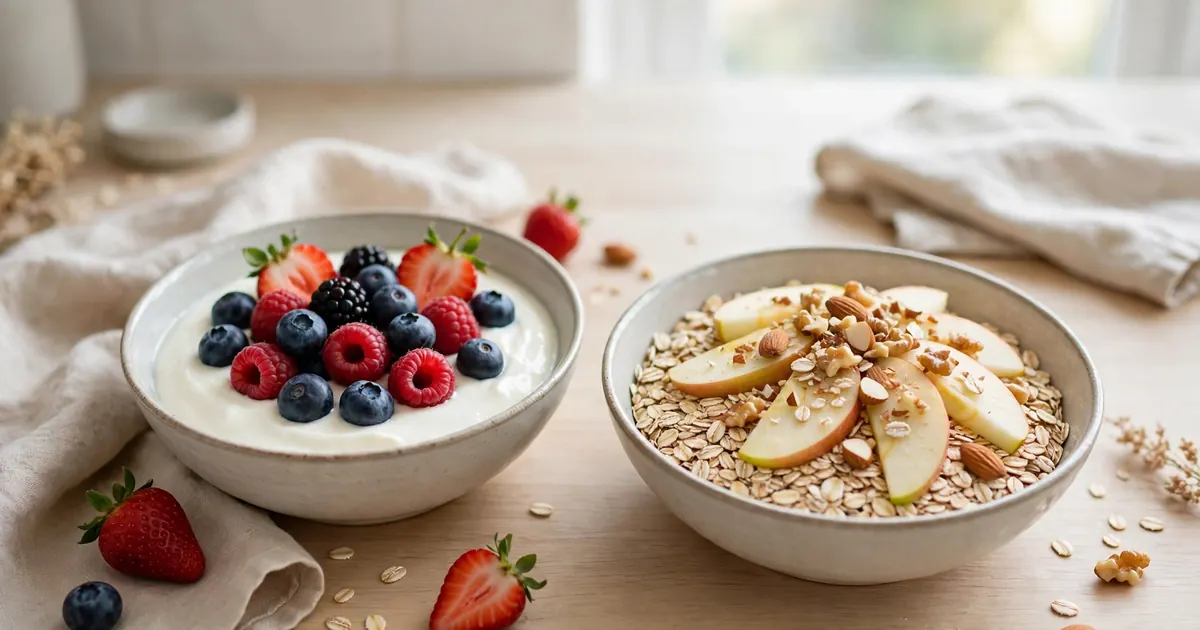
Swaps lower sugar without losing breakfast, and that is the most useful fact of the five for anyone watching high sugar breast cancer risk. Plain oats with fruit, plain yoghurt with berries, or whole-grain toast with nuts can replace a sweetened cereal and cut several spoonfuls of sugar from the morning. The meal stays filling and enjoyable, which is why a swap lasts longer than a ban. Small changes beat strict rules that collapse in a week.
Lower-Sugar Swaps That Keep Breakfast Enjoyable
High sugar breast cancer risk is linked to frequent high-sugar eating, so the practical step is to make the frequent foods less sugary rather than to give up breakfast foods altogether. Start with the sweetest item on your table: swap sweetened cereal for plain oats with sliced banana, or swap a frosted pastry for whole-grain toast with peanut butter. Each swap cuts sugar while keeping the meal filling, and none of them needs a new recipe.
Read the label before you buy, because two cereals can look alike and carry very different sugar. A cereal with only a few grams of sugar per serving is a lighter choice for high sugar breast cancer risk, while one with a large spoonful of sugar in every bowl is closer to a dessert. Mix half sweetened cereal with half plain oats for a week if a sudden change feels too sharp, then shift the balance further. Your taste adjusts faster than you expect, and the lighter bowl soon tastes normal.
Keep the swaps simple and keep them in the foods you eat often, because the weekly total is what the study measured. A sweet drink at breakfast, a sugary cereal, and a pastry together add up fast, while one of them alone matters far less. Choose the swap you will keep, and let the rest of your breakfast stay as it is. For more on building a balanced plate, see our healthy foods and diet tips guides.
High Sugar Breast Cancer: Frequently Asked Questions
Does the high sugar breast cancer risk finding mean sugar causes breast cancer?
No. The high sugar breast cancer finding is a link, not proof of cause. People who ate two or more servings of high-sugar foods a week had a 28% higher breast cancer risk, yet the study cannot show that sugar itself caused the higher risk. Weight, alcohol, exercise and family history all play a part, and the study adjusted for some of these without removing every doubt. Say linked to, never causes, and the finding stays honest.
How much sugar did the study link to higher risk?
Two or more servings of high-sugar foods each week. A serving is roughly one bowl of sweetened cereal, one sweetened drink, or one portion of a sugary food. That amount is easy to reach without noticing, which is why the finding matters. It does not take extreme eating to reach two servings a week. Sweetened drinks, pastries and desserts count the same way, so the weekly total adds up across all of them. That is the pattern behind eating high-sugar foods like cereal linked to 28% higher breast cancer risk.
Is breakfast cereal bad for you now?
No single food is bad on its own, and cereal is no exception. Sweetened cereals carry a lot of added sugar, so they count heavily toward the weekly total that the high sugar breast cancer study measured. Plain oats, whole-grain cereals with little sugar, or a mix of half sweetened and half plain cereal are lighter choices. Keep the breakfast you enjoy and trim the sugar in it.
What does the high-sugar foods breast cancer risk finding mean for cereal lovers?
It means the sugar in cereal counts toward high sugar breast cancer risk, and sweetened cereals are worth watching if you eat them daily. It does not mean you must stop eating cereal. Swap to a lower-sugar cereal, mix sweetened with plain, or save the sweetest cereal for weekends. The study measured frequency across the week, so the pattern matters more than one bowl.
Can cutting sugar prevent breast cancer?
No food change can promise prevention, and cutting sugar is no exception. The high sugar breast cancer finding shows a link, not a guarantee that less sugar means no cancer. Eating less added sugar can still help your weight and your health, and weight is itself linked with breast cancer risk after the menopause. Think of lower sugar as one healthy step among many, not as a shield.
Should I stop eating sugar completely?
There is no need to stop eating sugar completely, and strict bans rarely last. The study is about frequent high-sugar eating, not about an occasional sweet food. Cut back where it is easy, such as sweetened cereal or sugary drinks, and keep the treats you truly enjoy. If you have diabetes or another condition, ask a qualified healthcare professional before changing your diet.
Final Thoughts on High Sugar Breast Cancer
High sugar breast cancer risk was linked to eating high-sugar foods often, and that link is worth knowing without letting it frighten you. The study found a 28% higher risk with two or more weekly servings, yet it proved nothing about cause, and it named no food as forbidden. Read the finding, keep the wording honest, and make one small swap in your breakfast this week. Read the full study report at Medical News Today for the detail, and talk with a qualified healthcare professional about your own risk.
Disclaimer: This article is for educational and informational purposes only and is not medical advice. Always consult a qualified healthcare professional for any health concern.

Author Profile by Health Physical Fitness
I write evidence-based educational articles on health, fitness, wellness, nutrition, diet, weight management, healthy foods, lifestyle and skincare. All articles are for educational and informational purposes only, not medical advice.