

Walking weight loss starts with a simple truth: you do not need a gym membership or fancy equipment to burn fat and feel healthier. Walking is the most natural exercise your body already knows, and when you walk with purpose, your body starts using stored fat for fuel. Millions of people walk every day, yet few walk in a way that changes their weight. This guide shows you how to turn an ordinary walk into real walking weight loss. You will learn the right pace, the right step count, and 8 best powerful ways to make every walk count toward a lighter, stronger you.
Why Walking Works for Weight Loss
Walking burns calories without stressing your joints, which is why doctors often suggest walking weight loss first for people who want to lose weight safely. A brisk walk raises your heart rate into the fat-burning zone, improves your blood sugar, and lifts your mood at the same time. Unlike hard workouts that leave you sore and tired, walking is gentle enough to do every single day. That daily habit is the heart of walking weight loss, because steady effort over weeks and months beats one heroic workout every time.
Walking also fits into a normal life without a timetable or a trainer. You can walk to the shop, walk the dog, or walk while you talk on the phone, and every one of those walks burns calories. Our weight loss guide explains how small daily choices add up, and walking weight loss is the easiest of those choices to start today. You need no special skills, no recovery days, and no expensive gear, which is why so many people who fail at diets succeed at walking.
Walking Weight Loss: 8 Best Powerful Ways to Burn Fat
The 8 ways below work together as one simple plan. Each way targets a different part of walking weight loss, from pace and steps to timing and habit. You do not need to start all eight at once. Pick two or three ways this week, add another each week, and within a month you will have a walking weight loss routine that burns fat every single day.
1. Walk Briskly Every Day
Brisk walking is the foundation of walking weight loss because pace decides how many calories you burn. A gentle stroll is pleasant, but it barely raises your heart rate. Brisk means walking fast enough that you can still talk but you cannot sing, and your breathing feels deeper than normal. Aim for about 100 steps every minute, which most healthy adults reach at around 4 to 5 kilometres per hour. At this pace, a 30-minute walk can burn roughly 150 to 200 calories, and those calories add up fast across a week of walking weight loss.
Start with 20 minutes if you are new to walking, then add five minutes each week until you reach 45 minutes a day. Keep your head up, swing your arms naturally, and take shorter, quicker steps instead of long strides. Good shoes matter more than fancy clothes, so choose a pair that supports your feet. If your shins or knees ache, slow down for a few days and build up again gently.
2. Hit Your Step Target Every Day
Step counts turn walking weight loss into a game you can win every day. When people ask how many steps lose weight, the honest answer is that more steps help, but you do not need a magic number to start. Research on adults shows that 7,000 to 10,000 steps a day is linked with better weight and heart health, and even 7,000 steps beats a day spent mostly sitting. Set your first walking weight loss target at 7,000 steps, and raise it by 500 steps each week until you reach 10,000.
A phone or a simple step counter makes tracking easy, and watching the number climb keeps you motivated. Spread your steps through the day instead of saving them all for one long walk. Take the stairs and park farther from the shop. These small choices can add 2,000 steps without a single extra workout, and they make your daily target feel easy instead of exhausting.
3. Add Interval Walking for Faster Fat Burn
Interval walking mixes short bursts of fast walking with slower recovery periods, and it burns more fat than walking at one steady speed. Walk fast for two minutes, then slow down for one minute, and repeat the pattern for 20 to 30 minutes. Your heart rate rises during the fast bursts, and your body keeps burning extra calories even after you slow down. This method also builds stamina faster than steady walking, so your normal pace feels easier within a few weeks.
Try intervals three days a week for walking weight loss and keep your other walks steady and relaxed. Warm up with five minutes of easy walking before the first fast burst, and finish with five minutes of slow walking to cool down. If two minutes of fast walking feels too hard, start with one minute fast and two minutes slow. Listen to your body and never push through sharp pain.
4. Walk After Every Meal
A short walk after eating is one of the easiest walking weight loss habits, and it works even if you only have ten minutes. Walking after a meal helps your muscles use the sugar from your food, which keeps your blood sugar steadier and reduces the crash that makes you crave snacks. Studies show that a 10 to 15 minute walk after meals can lower blood sugar spikes more than one long walk at another time of day.
Make it simple: after breakfast, lunch, and dinner, step outside for ten minutes before you sit down again. Walk around your street, your garden, or even your living room if the weather is bad. Three short walks add up to 30 minutes a day and fit a busy life better than one long session. This single walking weight loss habit also aids digestion and helps you sleep better at night.
5. Walk in the Morning
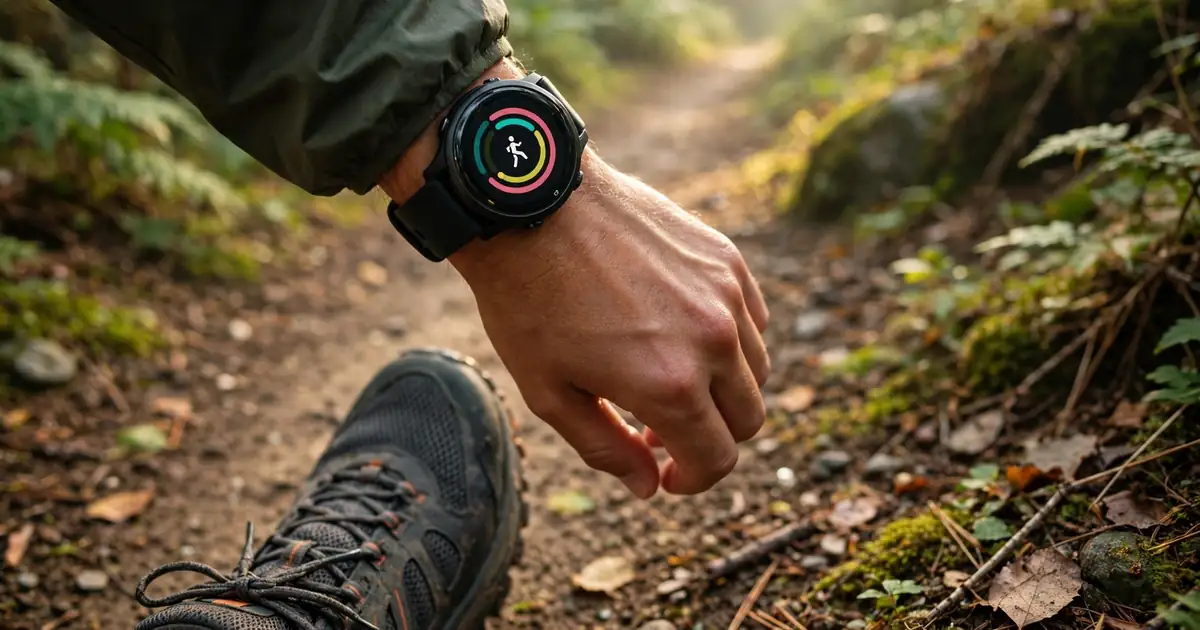
Morning walks set the tone for the whole day and make walking weight loss easier to stick with. When you walk before breakfast, your body has less sugar available and may use more fat for fuel. Morning light also helps your body clock, which improves your sleep and your energy for the rest of the day. People who walk in the morning for walking weight loss are less likely to skip their walk, because the day has not yet filled up with meetings, chores, and excuses.
You do not need to wake up at dawn. A 20-minute walk before work, after dropping the kids at school, or while the house is still quiet is enough to start. Keep your walking shoes by the door the night before. If mornings are truly impossible, pick any fixed time and protect it the same way, because a walk at the same time each day soon becomes automatic.
6. Use Hills and Stairs
Hills and stairs turn an ordinary walk into a stronger walking weight loss workout without adding a single minute to your day. Walking uphill forces your legs and glutes to work harder, which burns more calories and builds leg strength at the same time. A route with gentle hills can burn up to 30 percent more calories than the same walk on flat ground. Stairs work the same way, and even a few flights a day add up to real results over a month.
Add one hill to your usual route, or climb the stairs at work instead of taking the lift. Walk up slowly, keep your back straight, and use the downhill stretch to catch your breath. If you have knee pain, choose gentle slopes and short stair climbs, and stop if the pain grows sharper. Stronger legs make every future walk easier, and they protect your knees by supporting the joint with muscle.
7. Track Your Walks and Watch Your Progress
Tracking turns walking weight loss from a guess into a plan you can measure. A step counter, a smartwatch, or a free phone app can record your steps, your distance, and your pace, and seeing those numbers rise week after week is deeply motivating. Write down your weight once a week at the same time, and take a photo of yourself once a month, because the scale alone does not show the muscle you are building or the inches you are losing.
Set a small weekly walking weight loss goal, such as adding 500 steps a day or walking one extra day, and celebrate when you reach it. If a week goes badly, do not quit. Look at what got in the way, fix one thing, and start again the next day. Progress is rarely a straight line, so keep showing up after a bad week.
8. Make Walking a Daily Habit That Sticks
The last of the 8 ways is the one that holds all the others together: make walking weight loss a daily habit that fits your real life. Habits stick when they are tied to something you already do, so walk after lunch, walk the dog, or walk while you listen to your favourite podcast. A habit you enjoy is a habit you keep, and a habit you keep is what changes your weight over months instead of days.
Find a walking partner, join a local walking group, or simply tell a friend your daily step goal so someone else knows about it. Social support makes skipping harder and walking more fun. Remember that brisk walking weight loss works slowly and safely, which is exactly why it lasts. A kilo lost through walking is a kilo you are far more likely to keep off, because you built it on a habit instead of a crash diet.
What Research Says About Walking and Weight Loss
Research keeps confirming that walking weight loss is one of the most useful tools for weight control. Large studies of adults show that people who walk 7,000 to 10,000 steps a day tend to weigh less and have healthier hearts than people who walk far less. Walking also lowers blood pressure, improves blood sugar, and reduces the risk of type 2 diabetes. The CDC recommends that adults get at least 150 minutes of moderate activity each week, and brisk walking counts fully toward that target.
Walking also helps with the part of weight loss that diets ignore: keeping the weight off. People who walk regularly after losing weight are far more likely to stay at their new weight, because walking burns calories without making you hungrier the way hard workouts sometimes do. The World Health Organization notes that regular physical activity, including walking, improves health at every age. The message is simple: walk more, and your body will thank you.
Common Walking Mistakes That Slow Weight Loss
The most common mistake is walking too slowly and calling it exercise. A slow stroll is better than sitting, but it burns far fewer calories than a brisk walk, and many people overestimate how much they actually move. Another mistake is eating extra food as a reward for walking, which can wipe out the calories you burned in minutes. A walk does not earn a large snack. Pair your walks with healthy foods so your food supports your effort instead of cancelling it.
Skipping rest is another quiet mistake. Sore feet, blisters, or aching knees are signs to slow down, change your shoes, or take a rest day, not to push through pain. Wearing flat, unsupportive shoes can also hurt your feet and knees over time. Finally, many people quit after two weeks because the scale has not moved, but walking weight loss is slow and steady. Give it at least eight weeks before you judge the results.
Your First Week of Walking for Weight Loss
Start small so your first week feels like a win, not a punishment. On day one, walk briskly for 15 minutes after dinner and count your steps. On day two, add a 10-minute morning walk. By day three, aim for 7,000 steps, and by the end of the week, try one 30-minute walk at a brisk pace. Keep a simple note of your steps each evening, and notice how your energy and sleep improve even before your weight changes.
In week two, add five minutes to your longest walk and try one interval session from way 3. In week three, add a hill or a flight of stairs to your route. Small weekly increases are the safest way to build fitness, and they keep your joints happy while your stamina grows. If you miss a day, walk the next day without guilt. Our workout guides can help you plan the weeks that follow.
Walking Weight Loss: Frequently Asked Questions
How many steps a day do I need for walking weight loss?
Most adults should aim for 7,000 to 10,000 steps a day. If you currently walk 3,000 steps, add 500 steps each week until you reach 7,000, then build toward 10,000. The exact number matters less than walking more than you did last week, every week.
Can walking really help me lose belly fat?
Yes, walking weight loss helps you lose belly fat, but not by targeting your belly alone. Walking burns calories from your whole body, and belly fat shrinks as your total body fat falls. Brisk walking, interval walking, and walking after meals are the most useful ways to speed this up, along with steady, healthy meals.
Is brisk walking better than running for weight loss?
Brisk walking is gentler on your knees and easier to do every day. Running burns more calories per minute, but it also causes more injuries and hunger. For steady, lasting weight loss, brisk walking weight loss wins for most beginners because it is easy to keep doing for months.
How long before I see results from walking?
Most people notice more energy and better sleep within two weeks, and visible weight loss within six to eight weeks of daily brisk walking. Results depend on your pace, your steps, and your meals. Weigh yourself once a week and take monthly photos, because slow progress is still real progress.
Do I need special shoes or equipment to start walking?
No special equipment is needed. All you need is a comfortable pair of walking shoes with good support and a phone or simple counter to track your steps. A smartwatch is helpful but not required. Start with what you have, and upgrade your shoes first if your feet hurt.
Final Thoughts on Walking Weight Loss
Walking weight loss works because it is simple, safe, and easy to keep doing for the rest of your life. You do not need a gym, a trainer, or a perfect plan. You need good shoes, a brisk pace, and the 8 ways in this guide. Start today with one short walk, and let that single walk grow into a daily habit. Your future self will thank you for every step you take.
Disclaimer: This article is for educational and informational purposes only and is not medical advice. Always consult a qualified healthcare professional for any health concern.

Author Profile by Health Physical Fitness
I write evidence-based educational articles on health, fitness, wellness, nutrition, diet, weight management, healthy foods, lifestyle and skincare. All articles are for educational and informational purposes only, not medical advice.
4 Comments