
acne treatment starts with simple daily habits that keep your skin clean, calm, and balanced. Many people get spots and pimples at some point in life, and they can appear on the face, neck, chest, or back. Spots can feel painful, look red, and affect how you feel about yourself. The good news is that most acne improves with steady, gentle care and a little patience. This guide shares 10 practical tips you can use at home to care for acne-prone skin and feel more confident each day.
Acne forms when pores get blocked by oil and dead skin. When a pore is blocked, bacteria can grow inside it, and the area can become red and swollen. Hormones, stress, and certain habits can make acne worse, but acne is very common and nothing to feel ashamed about. Teenagers often get acne, and many adults get it too. With the right acne treatment routine, most people can reduce spots and keep new ones from forming.

This article explains why acne treatment matters and gives you 10 clear tips you can try this week. Each tip is simple, low cost, and easy to fit into a normal day. You can try one tip at a time and keep the ones that help you most. There is no single right way to care for acne-prone skin, so choose what feels useful and build from there. You can also read our simple guide to beauty personal care for everyday skin habits that support healthy skin.
Why Acne Treatment Matters
Acne can affect more than your skin. Spots on the face can make you feel shy, and you may avoid photos, meetings, or social events. This is normal, and many people feel the same way. Good acne treatment helps your skin, but it also helps your confidence. When spots calm down, most people feel more relaxed and more willing to enjoy daily life. Caring for your skin with steady acne treatment is a kind way to care for yourself.
Acne treatment also protects your skin over time. When spots are left alone without care, they can stay longer and sometimes leave marks that take weeks to fade. Gentle daily care helps spots heal faster and lowers the chance of new spots forming. You do not need costly products to get results. A simple acne treatment routine with a gentle cleanser, a light moisturizer, and sunscreen is often enough to start. The key is to be steady and patient.
Starting acne treatment early can make a real difference. The sooner you build a gentle routine, the sooner your skin can settle. Small habits, done every day, work better than strong products used once in a while. If your acne is severe, painful, or does not improve after a few months of home care, talk with a doctor or dermatologist. They can suggest stronger options that suit your skin. For most people, though, simple acne treatment at home is a good place to begin.
10 Best Acne Treatment Tips for Clear Skin
The tips below cover washing, moisturizing, sun care, and daily habits. Each one is small enough to try today. Read through them, pick two or three that feel easy, and start there. Small steps done often work better than big changes done once. A steady acne treatment routine can help your skin look clearer and feel calmer over time.
1. Wash Your Face Twice a Day
Washing your face twice a day removes oil, dirt, and sweat that can block pores. Wash once in the morning and once at night with lukewarm water and a gentle cleanser. Use your fingertips to wash in soft circles, then rinse well and pat your skin dry with a clean towel. Gentle washing is a basic part of acne treatment, and it helps keep pores clear without irritating your skin.
Do not wash your face too often or scrub hard. Washing more than twice a day can strip away natural oils and make your skin produce even more oil. Harsh scrubbing can also irritate spots and make them redder. If you exercise or sweat a lot, wash your face after your workout too. Keep your acne care gentle, keep it simple, and let your skin rest between washes. The American Academy of Dermatology shares helpful guidance on acne care for people who want to learn more.
2. Use Beta Hydroxy Acid (BHA) for Acne
Beta hydroxy acid, often called BHA, is a gentle exfoliant that can help acne-prone skin. The most common BHA is salicylic acid. BHA is oil-soluble, which means it can mix with the oil in your pores and go inside them. Once inside, it dissolves sebum and dead skin that block the pore, which is why BHA works well in acne treatment. This helps unclog blackheads and keeps new spots from forming. BHA is a useful part of acne treatment for many people with oily or spot-prone skin.
Start your acne treatment with a low-strength BHA product, such as a cleanser or toner with a small amount of salicylic acid. Use it two or three times a week at first, then slowly use it more often if your skin feels fine. Always do a patch test on a small area of skin before using a new product. BHA can make your skin more sensitive to the sun, so always use sunscreen during the day when you use BHA. If your skin feels sore, use BHA less often and add a light moisturizer. This careful approach makes acne treatment with BHA safer and more effective.
3. Apply a Lightweight Moisturizer
Many people with acne skip moisturizer because they think it will make spots worse. In fact, even oily skin needs moisture. When skin gets too dry, it can produce more oil, and that extra oil can block pores. A lightweight, oil-free moisturizer keeps your skin balanced without feeling heavy. Apply it after washing your face, morning and night. Moisturizer is a simple step in acne treatment that helps your skin barrier stay healthy.
Choose a moisturizer that feels light and absorbs quickly. Gel or lotion formulas often suit acne-prone skin better than thick creams. Look for the words non-comedogenic on the label, which means the product is made not to block pores. Use a small amount and spread it evenly over your face. If a moisturizer makes your skin feel greasy or causes new spots, try a different one. The right moisturizer should leave your skin feeling soft, not oily.
4. Use Sunscreen Every Day
Sun protection matters for acne-prone skin. Sunlight can make spots look worse and can slow down healing. Some acne treatments also make your skin more sensitive to the sun. Use a broad-spectrum sunscreen every morning, even on cloudy days. Choose a light, oil-free formula that will not block your pores. Sunscreen is an important part of acne treatment because it protects your skin while it heals.
Apply sunscreen as the last step of your morning routine, after moisturizer. Use enough to cover your face and neck, and reapply if you spend a long time outside or sweat a lot. If you wear makeup, you can put it on over sunscreen. Some people worry that sunscreen causes spots, but oil-free formulas made for the face are usually fine. Pick one that feels light on your skin and use it daily to build the habit.
5. Do Not Squeeze Pimples
Squeezing a pimple may feel tempting, but it often makes things worse. When you press a spot, you can push bacteria deeper into the skin. This can make the spot bigger, more painful, and slower to heal. Squeezing can also leave marks that take a long time to fade. Leaving spots alone is a key part of acne treatment, even when it feels hard to wait.
If a spot is painful, let it heal on its own. You can place a clean, cool cloth on it for a few minutes to ease the soreness. Keep your hands away and let your skin do its work. Most spots shrink within a few days when left alone. If you often feel the urge to pick at your skin, keep your hands busy or trim your nails short. Patience is one of the best tools for clear skin.
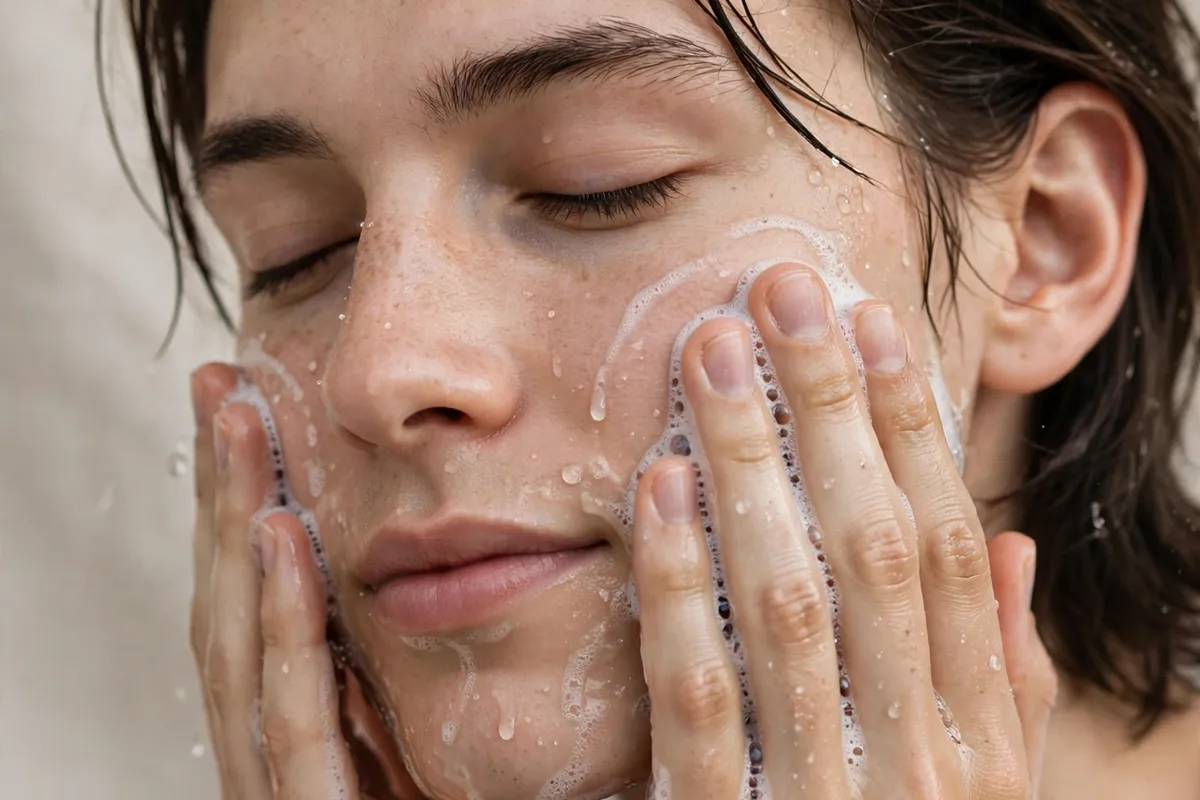
6. Keep Your Hands Off Your Face
Your hands touch many surfaces during the day, and they pick up dirt, oil, and bacteria. When you touch your face, you move those things onto your skin, where they can block pores and cause spots. Try to notice how often you rest your chin on your hand or rub your face. Keeping your hands away is a simple acne treatment habit that costs nothing and helps your skin stay cleaner.
Wash your hands often, especially before you wash your face or apply any skin product. Keep your phone clean too, because it rests against your cheek during calls and can carry oil and bacteria. Wipe your phone screen with a clean cloth each day. If you wear glasses, clean the frames often as well. These small steps reduce the dirt that reaches your face and help keep spots away.
7. Change Your Pillowcase Often
Your pillowcase collects oil, sweat, and dead skin while you sleep. Each night, your face rests on it for hours, so a dirty pillowcase can transfer oil and bacteria back onto your skin. Changing your pillowcase two or three times a week helps keep your sleeping surface clean. This small habit supports acne treatment and is easy to add to your laundry routine.
Use a clean, soft pillowcase made of cotton or another gentle fabric. Wash pillowcases with a mild detergent and avoid strong fragrances that can irritate your skin. If you use hair products at night, keep your hair away from your face while you sleep, or tie it back loosely. A clean pillow and clean hair mean less oil on your face through the night. Small changes in your bedroom can help your skin.
8. Eat a Balanced Diet
Food does not cause acne on its own, but what you eat can affect your skin. A balanced diet with plenty of vegetables, fruit, whole grains, and water gives your skin the nutrients it needs. Some people notice more spots after eating a lot of sugary foods or dairy. Pay attention to how your own skin reacts, and keep a simple food note if it helps. Healthy eating supports acne treatment from the inside.
You do not need a strict diet to help your skin. Just eat regular meals, drink enough water, and limit very sugary drinks and snacks. Foods rich in vitamins and minerals, such as leafy greens, berries, nuts, and fish, are good choices for overall health. Avoid skipping meals, because hunger can lead to poor food choices later. A steady, balanced diet is good for your skin and your whole body.
9. Manage Stress and Sleep Well
Stress can make acne worse. When you feel stressed, your body makes more oil, and that extra oil can block pores. Stress can also make it harder to sleep, and poor sleep can affect your skin too. Learning to manage stress is a helpful part of acne treatment. Simple steps like slow breathing, a short walk, or talking with a friend can help you feel calmer. You can learn more about how the mind and body connect in our guide to what mental wellness means.
Good sleep helps your skin repair itself. Try to sleep seven to nine hours each night and keep a regular bedtime. Avoid screens for thirty minutes before bed, because the light can make it harder to fall asleep. Keep your bedroom dark, quiet, and cool. For more practical ideas, read our article on sleep wellness and good sleeping habits at night. When you sleep well and feel calm, your skin often looks clearer too.
10. Use Non-Comedogenic Products
Non-comedogenic means a product is made not to block pores. This label matters for acne-prone skin, because blocked pores are where spots begin. Check the labels on your cleanser, moisturizer, sunscreen, and makeup. Choose products that say non-comedogenic or oil-free. Using the right products is a smart part of acne treatment, and it helps your other tips work better.
Be careful with heavy makeup and thick creams, which can trap oil against your skin. If you wear makeup, remove it fully every night before bed. Use a gentle makeup remover or cleanser, and never sleep with makeup on. Keep your makeup brushes and sponges clean, and wash them once a week. Clean tools and the right products help keep your pores clear and your skin healthy.
Frequently Asked Questions About Acne Treatment
What is the simplest daily routine for acne?
A simple routine has three steps. Wash your face twice a day with a gentle cleanser, apply a light moisturizer, and use sunscreen in the morning. Add a BHA product two or three times a week if your skin tolerates it. Keep the routine the same each day. A steady acne treatment routine works better than changing products often, so give it at least six to eight weeks before you judge the results.
How long does it take to see results?
Most people need six to eight weeks to see clear changes. Skin takes time to renew itself, and new spots can still appear during the first few weeks. This does not mean the routine is failing. Keep going with your acne treatment and be patient. Take a photo once a week to track changes, because slow progress is hard to notice day by day. If nothing improves after three months, talk with a doctor.
Can I use makeup if I have acne?
Yes, you can use makeup if you have acne. Choose non-comedogenic and oil-free makeup, and remove it fully every night. Avoid heavy foundations that feel thick on your skin. Clean your brushes and sponges once a week to stop bacteria from building up. Good makeup habits fit well into acne treatment, and they let you feel confident while your skin heals.
Does food really affect acne?
Food does not directly cause acne, but diet can play a role for some people. Sugary foods and drinks may trigger more spots in some people, while a balanced diet supports healthy skin. There is no single food that cures acne, and no single food you must avoid. Eat a varied diet, drink enough water, and notice how your own skin responds to different foods over time.
When should I see a doctor about acne?
See a doctor if your acne is severe, painful, or leaves marks that do not fade. Also see a doctor if home care does not help after three months, or if acne affects your mood and daily life. A doctor or dermatologist can suggest stronger treatments that suit your skin. You can read clear guidance about acne and when to seek help on the NHS acne page. Getting help early is a smart part of acne treatment.
This article is for educational purposes only and is not medical advice. Acne can have many causes, and what works for one person may not work for another. If you have severe acne or a skin condition, please speak with a doctor or dermatologist before starting a new treatment.

Author Profile by Health Physical Fitness
I write evidence-based educational articles on health, fitness, wellness, nutrition, diet, weight management, healthy foods, lifestyle and skincare. All articles are for educational and informational purposes only, not medical advice.
Contact the editor: editor@healthphysicalfitness.com