
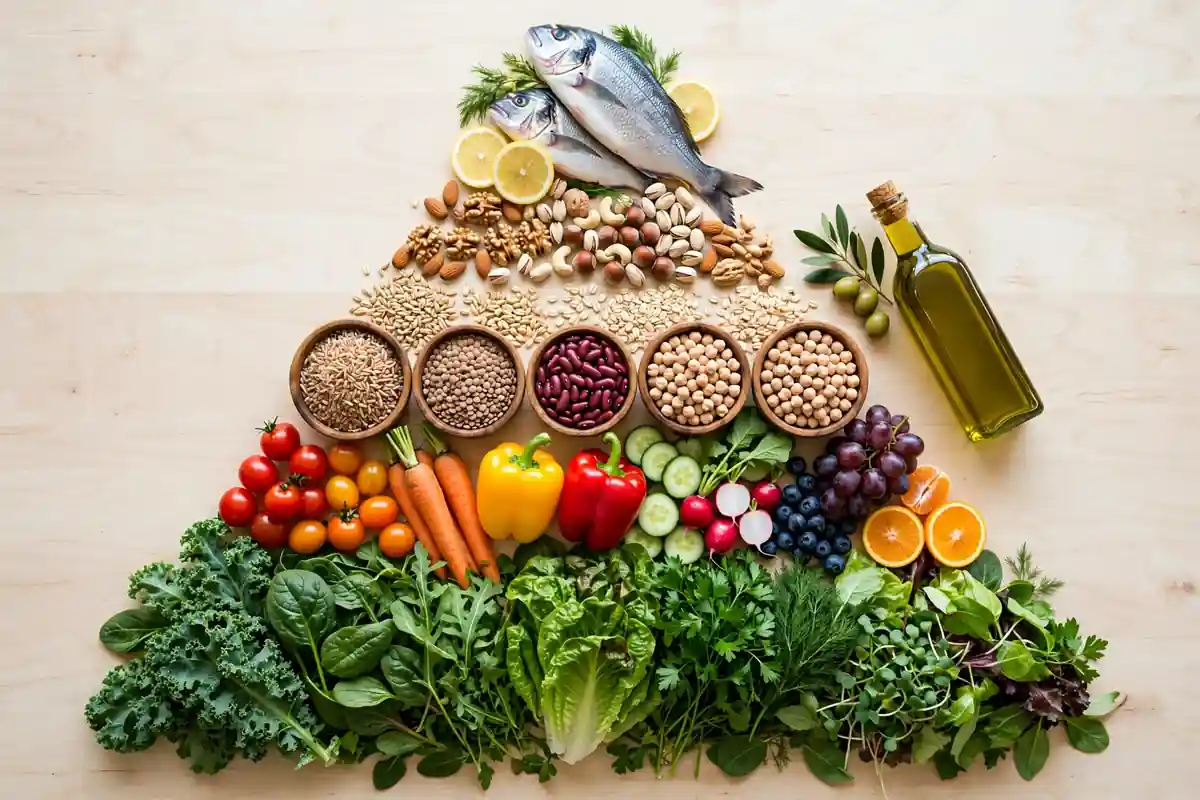
New international food pyramid guidance has changed the way many people think about a healthy plate, and the new international food pyramid 2026 gives that change a clear, practical shape. This framework asks a simpler question: where does each food come from, and how much goodness does it carry? The answer puts vegetables, fruits, whole grains, beans and lentils at the centre of daily eating, with healthy oils and lean proteins in supporting roles. This guide explains what changed, why experts made those choices, and how you can use the advice at breakfast, lunch and dinner.
The new international food pyramid was published in September 2026 in the journal Advances in Nutrition, after a group of 22 leading nutrition experts from Europe, Canada, the United States and Australia reviewed more than 250 scientific publications. Their goal was to find the eating principles that scientists agree on across countries and cultures, rather than writing one more national set of rules. Healthline reported the launch on 5 November 2026, and the story quickly drew attention because the advice differs in clear ways from the updated United States dietary guidelines.
What Is the New International Food Pyramid 2026?
At its heart, the new international food pyramid is a picture of proportion. The wide base holds the foods to eat most often, and each layer above it holds foods to eat less often or in smaller amounts. Vegetables, fruits, whole grains and legumes form that base. Above them sit healthier fats such as olive oil and canola oil, along with lean proteins such as fish, poultry, eggs and yogurt. Red meat and processed meat sit near the top, which means they can still appear on the menu, but they should not lead it.
The new international food pyramid rests on three simple guidelines. First, make plant foods the foundation of the diet, with vegetables, fruits, whole grains and legumes at every meal. Second, choose healthier fats and proteins, favouring unsaturated plant oils over butter and tallow, and poultry, fish and legumes over red and processed meats. Third, judge carbohydrates by quality rather than by quantity alone, looking at fibre, processing and glycemic index instead of only total grams. Together these rules shift the focus from single nutrients to whole meals, which is easier to follow in real life.
Research behind the new international food pyramid points in the same direction as the Mediterranean and DASH eating patterns, which have been linked in studies with better heart health and healthier blood pressure, cholesterol and blood sugar. It is a framework built on shared evidence, meant to guide everyday choices while leaving room for culture, taste, budget and personal needs. A dietitian quoted in the Healthline report called it a practical approach for preventing chronic disease, because it stresses food quality and nutrient dense plant foods while still allowing lean animal proteins. That balance is what makes the advice usable for most people, most days.
5 Best Changes in the New International Food Pyramid
The five changes below are the ones that matter most at the table. Each one is small on its own, yet together they reshape a whole day of eating. Read them as swaps rather than bans: more of one food, less of another, and a better version of the foods you already enjoy. You do not need a new kitchen or a special shop to make them work, and you do not need to change everything in one week. Pick the change that feels easiest, practise it for a fortnight, and then add the next one.
1. Plant Foods Lead Every Meal
The first change is also the biggest: plant foods now lead every meal instead of sitting at the edge of the plate. Vegetables, fruits, whole grains and legumes form the base of the new international food pyramid, so they should supply most of the food you eat each day. In practice that means half the plate holds vegetables or salad, a fist sized portion of whole grains sits beside them, and beans, lentils or chickpeas appear often. This change adds fibre, vitamins, minerals and plant compounds to the diet, and it naturally crowds out some of the less helpful foods without any strict counting.
2. Healthy Carbs Take Centre Stage
The second change rescues carbohydrates from two decades of blame by judging them on quality, not on total grams. A carbohydrate from lentils, oats or brown rice behaves very differently in the body from the same grams of carbohydrate in white bread, puffed cereal or a fizzy drink. Fibre slows digestion, steadies blood sugar and feeds gut health, while heavy processing strips those benefits away. So the new international food pyramid asks you to choose whole grain bread over refined white bread, and whole grain or high fibre cereals over refined, puffed, flaked or popped cereals.
3. Plant Oils Replace Butter and Tallow
The third change concerns the fat used for cooking, and it is one of the clearest breaks from the updated United States guidelines. The new international food pyramid recommends cooking with unsaturated plant oils, such as olive oil and canola oil, instead of animal fats such as butter and beef tallow. Both sets of advice agree on limiting saturated fat, yet they part company on the replacement: plant oils here, butter and tallow there. A spoonful of oil over beans or greens turns a plain dish into something satisfying, which makes the healthy choice the tasty choice too.
4. Lean Proteins Come Before Red Meat
The fourth change reorders protein, putting plant proteins and lean animal proteins ahead of red and processed meat. Beans, peas, lentils, fish, poultry and yogurt are the proteins to reach for most often, and meat should not be the biggest part of any meal. That does not make red meat forbidden; it makes it occasional and modest in portion. Processed meats such as sausages, bacon and cured meats sit even higher in the new international food pyramid, which means they deserve the smallest place of all. This order also helps the planet, since the pyramid draws on the EAT-Lancet Planetary Health Diet.
5. Water Replaces Sugary Drinks
The fifth change is the simplest to start today: drink water or sugar free sparkling water instead of sugary soda. Sugary drinks add calories and sugar without fibre, protein or fullness, and they raise blood sugar quickly. Water does the opposite, keeping you hydrated with no sugar at all, and it costs far less than a daily bottle of soda. Keep a bottle on your desk, add lemon, cucumber or mint if plain water bores you, and keep fizzy drinks for rare occasions. Many people find this one swap cuts sugar intake more than any other change.
How to Build Your Plate with the New International Food Pyramid
Building a plate by the new international food pyramid takes less than a minute once the pattern is clear. Start with vegetables, because they fill half the plate with colour, crunch and fibre for very few calories. Add a palm sized portion of protein, choosing beans, lentils, fish, poultry, eggs or yogurt first, and red meat only now and then. Add a fist sized portion of whole grains, such as brown rice, whole wheat bread, oats or whole grain pasta. Finish with a spoonful of olive oil, a squeeze of lemon and herbs instead of a creamy sauce.
The same pattern works across cuisines, which is one reason the new international food pyramid matters. A lentil curry with brown rice and salad follows it, and so does a Mediterranean bowl of chickpeas, tomatoes, cucumber and olive oil. A stir fry with tofu, mixed vegetables and whole grain noodles fits too, as does a breakfast of oats, berries, nuts and yogurt. The foods change with the culture, yet the proportions stay the same, and that is the point of a shared framework. When a dish does not follow the pattern, one swap, such as white rice for brown rice, often brings it back in line.
What to Eat Now: A Simple Daily Guide
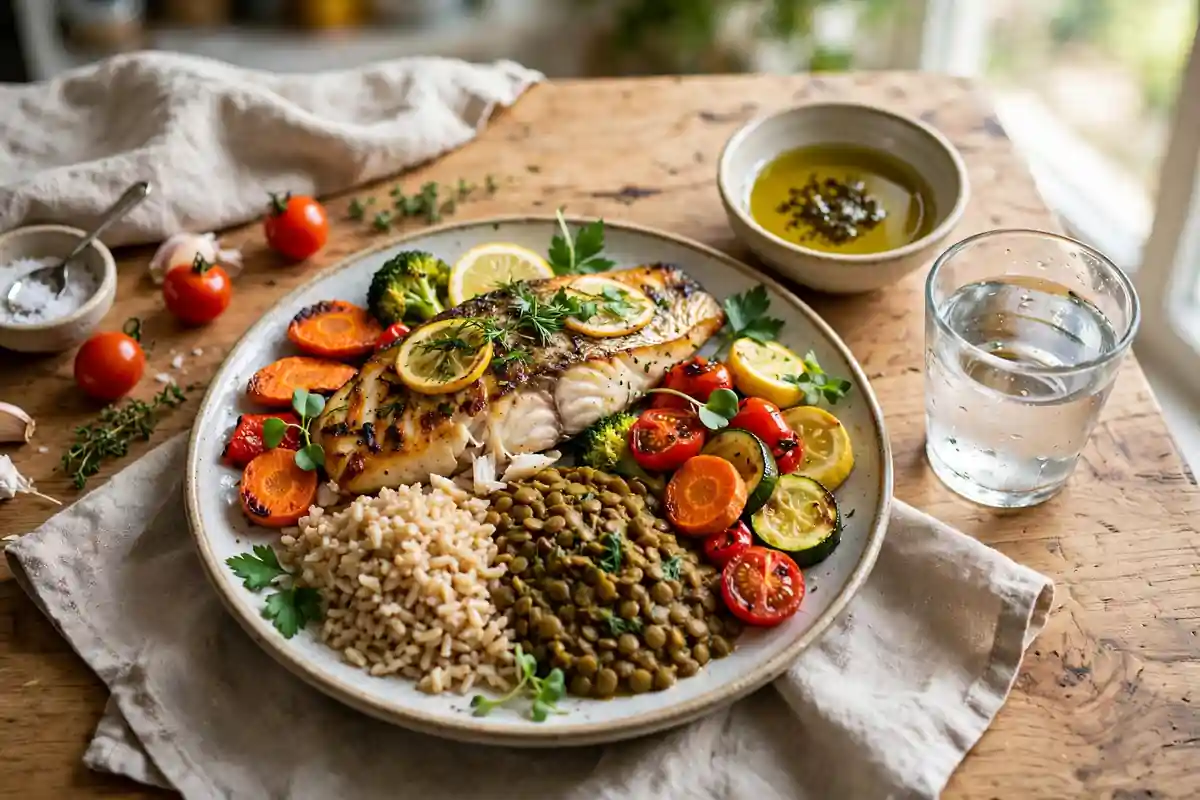
A day built on the new international food pyramid does not need a strict daily menu, only a rhythm. Breakfast can be oats or whole grain toast with fruit, nuts and yogurt. Lunch can be a grain bowl with beans, salad and olive oil, or a lentil soup with whole grain bread. Dinner can be fish or chicken with roasted vegetables and brown rice, or a bean stew with whole grain pasta and a green salad. Snacks can be nuts, seeds, fruit, or vegetables with hummus, all of which the pyramid authors recommend over processed snacks.
- Breakfast: oats or whole grain toast, fruit, nuts and yogurt with water or tea.
- Mid morning snack: an apple or a small handful of unsalted nuts.
- Lunch: lentil soup or a bean and grain bowl with salad and olive oil.
- Afternoon snack: carrot sticks, cucumber or celery with hummus.
- Dinner: grilled fish or chicken, roasted vegetables, brown rice and salad.
- Evening: fruit with yogurt, or herbal tea, instead of a sugary dessert.
Notice how little this day relies on meat as the main event. Protein appears at every meal, yet it comes mostly from plants, fish, poultry, eggs and yogurt. Fibre appears at every meal too, from oats, beans, vegetables and whole grains, which keeps hunger steady between meals. Healthy fats appear in small amounts, from olive oil, nuts and seeds, rather than from butter or fried foods. If one meal goes off plan, the next meal brings the day back, because the new international food pyramid judges the pattern, not a single plate.
A Simple Weekly Shopping List
Shopping by the new international food pyramid starts in the fresh produce aisle and moves outward from there. Buy a range of vegetables for salads, soups and roasting, plus fruit for snacks and breakfast, and keep frozen vegetables as a backup for busy days. Stock the cupboard with oats, brown rice, whole grain pasta, whole grain bread, lentils, chickpeas and beans, which keep well and cook cheaply. Add olive oil or canola oil, nuts, seeds, herbs and spices, then fish, poultry, eggs and yogurt for lean protein.
- Vegetables and salad leaves for at least five days of meals.
- Fruit for breakfast, snacks and desserts through the week.
- Oats, brown rice, whole grain pasta and whole grain bread.
- Lentils, chickpeas, beans, nuts, seeds and hummus.
- Olive oil, herbs, spices, fish, poultry, eggs and yogurt.
New International Food Pyramid vs United States Guidelines
The two frameworks agree more than headlines suggest, and their shared ground is worth noting first. Both advise eating fewer ultra-processed foods and more natural, real foods, and both advise limiting saturated fat. Both place vegetables, whole grains and lean proteins at the centre of a healthy diet. The differences lie in emphasis rather than in every detail, which is why the comparison confuses many readers. Understanding those differences helps you choose which advice fits your health, culture and kitchen.
The main difference is protein and fat. The new international food pyramid puts plant based proteins first, while the updated United States guidelines place greater emphasis on animal proteins, including red meat. The pyramid also favours unsaturated plant oils as cooking fats, while the United States guidelines include butter and beef tallow as options. A dietitian interviewed by Healthline noted that the pyramid goes beyond telling people to eat more protein or fewer carbohydrates, and instead asks them to consider the quality and sources of those nutrients.
Common Mistakes to Avoid
The new international food pyramid is easy to follow, yet a few common mistakes can undo its benefits. People often add olive oil to an already heavy meal instead of using it to replace butter, which adds fat rather than swapping it. Others buy white bread labelled as wheat bread, or a breakfast cereal that is puffed and sweetened, and think they have chosen a whole grain. Some eat a token salad beside a very large portion of red meat, and call the meal balanced. Read labels, check that bread says whole grain first, and keep portions honest.
- Using olive oil on top of butter instead of in place of butter.
- Choosing refined white bread or sweetened cereal and calling it whole grain.
- Making red meat the biggest part of the meal beside a small salad.
- Drinking juice or soda with a healthy meal and forgetting the sugar.
- Treating a plant based label as healthy when the food is ultra-processed.
Frequently Asked Questions About the New International Food Pyramid 2026
What is the new international food pyramid 2026?
The new international food pyramid 2026 is a first of its kind guide published in September 2026 by 22 nutrition experts from several countries, based on more than 250 scientific publications. It places plant foods, healthy fats and high quality carbohydrates at the base of daily eating, with lean proteins in support and red meat, processed meat and sugary foods near the top.
Is the new international food pyramid 2026 plant-based only?
No, the guide is plant forward rather than vegan or vegetarian. It puts vegetables, fruits, whole grains and legumes first, yet it still allows lean animal proteins such as fish, poultry, eggs and yogurt. The amount and sources of animal protein should match your own health needs, so talk to a doctor or dietitian about your personal targets.
How is the new international food pyramid different from the old pyramid?
The old United States pyramid from 1992 grouped all carbohydrates and all fats together, which hid the difference between whole grains and refined grains, and between olive oil and butter. The new international food pyramid judges foods by quality, favouring fibre rich carbohydrates and unsaturated plant oils, and it ranks plant proteins ahead of red and processed meat.
Can I still eat meat on the new international food pyramid?
Yes, you can still eat meat, but it should not lead the meal. Choose fish, poultry or yogurt more often, keep red meat occasional and modest in portion, and keep processed meat rarest of all. Fill most of the plate with vegetables, whole grains and legumes, and meat becomes a smaller part of a larger, healthier plate.
What foods should I eat first from the new international food pyramid 2026?
Start with vegetables, fruits, whole grains and legumes, since they form the base of the pyramid and should appear at every meal. Add olive oil or canola oil for cooking, nuts and seeds for snacks, and fish, poultry, eggs or yogurt for lean protein. Drink water instead of sugary drinks, and keep red meat and processed snacks occasional.
The new international food pyramid gives healthy eating a shape that is easy to remember and easy to use. Fill the base with plants, choose quality over quantity for carbohydrates, cook with plant oils, and let lean proteins lead. Small swaps, repeated daily, add up to a large change over months, and no single meal needs to be perfect. Start with water instead of soda, whole grain bread instead of white bread, or beans instead of sausage, and build from there. If you have a health condition, speak to your doctor or a dietitian before changing your diet.
Disclaimer: This article is for educational and informational purposes only and is not medical advice. Always consult a qualified healthcare professional for any health concern.
Author Profile by Health Physical Fitness
I write evidence-based educational articles on health, fitness, wellness, nutrition, diet, weight management, healthy foods, lifestyle and skincare. All articles are for educational and informational purposes only, not medical advice.
2 Comments