
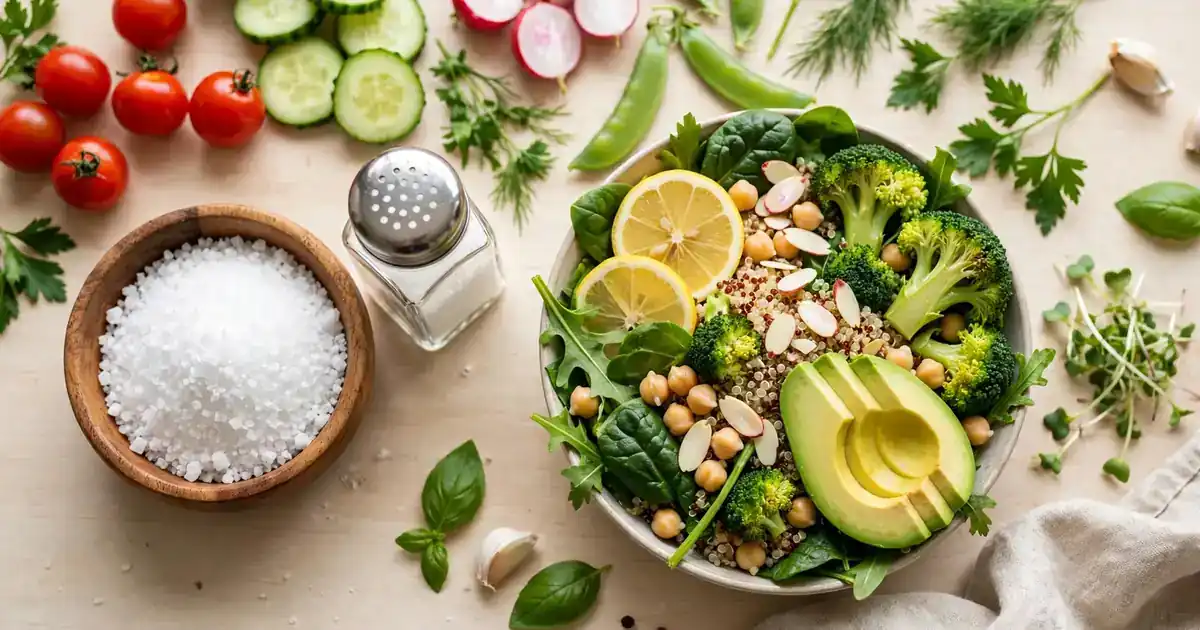
Potassium salt substitute is a simple swap that can change how much sodium you eat every day, and a potassium-enriched salt substitute may be one of the easiest heart-friendly changes at home. Healthline reported in November 2026 that a healthy salt substitute may prevent millions of deaths from heart disease, based on new research on what happens when whole populations replace part of their regular salt. This article explains what the substitute is, how much to use, who should ask a doctor first, and seven simple ways to start.
Most of us eat far more salt than we need, and most of it comes from food we cook and buy, not from the shaker on the table. A potassium salt substitute looks and tastes much like regular salt, but part of the sodium chloride is replaced with potassium chloride, so every pinch carries less sodium and extra potassium. The change is small, the taste is close, and the benefit can be real, which is why doctors and researchers now pay close attention to this humble kitchen swap.
Potassium Salt Substitute: The New Research
The news that caught doctors’ attention came from a modelling study covered by Healthline on 4 November 2026. The researchers asked a simple question: what would happen if whole populations replaced a share of their regular salt with a potassium-enriched substitute? Their answer was striking: a healthy salt substitute may prevent millions of deaths from heart disease. They estimated the swap could prevent millions of deaths from heart disease and stroke around the world, because even a modest fall in sodium intake, spread across millions of people, adds up to a large public health gain.
The Study in Simple Words
In the best-known trial of this idea, the SSaSS trial, researchers in rural China gave whole villages a salt substitute in which about a quarter of the sodium chloride was replaced with potassium chloride. Over five years, the villages using the substitute had fewer strokes and fewer major heart problems than those using regular salt. The 2026 modelling study built on results like these and asked what would happen if the same swap reached far more people. The answer was that a potassium salt substitute could save very many lives, mainly by lowering blood pressure across whole populations.
The result matters because high blood pressure is one of the biggest causes of heart disease and stroke, and too much salt is one of its biggest drivers. Most adults eat roughly twice as much salt as experts recommend, and the excess is silent: it raises blood pressure slowly, over years, without any clear warning signs. A potassium salt substitute attacks the problem from both sides, cutting sodium while adding potassium, a mineral that helps blood vessels relax and pass extra sodium in urine. For a wider heart-healthy pattern, start with healthy foods every day.
Why a Healthy Salt Substitute May Prevent Millions of Deaths from Heart Disease
The headline number sounds large, but the logic is simple. Heart disease and stroke cause millions of deaths every year, and high blood pressure sits behind a large share of them. If a whole country cut its average salt intake by a small amount, blood pressure would fall a little for millions of people. A potassium salt substitute does exactly that without asking anyone to give up salted food, which is why researchers believe the benefit could reach so many lives.
Potassium Salt Substitute: How It Works
To understand the substitute, it helps to know what is in your salt shaker. Ordinary table salt is sodium chloride: about 40 percent sodium and 60 percent chloride by weight. When you eat it, the sodium pulls water into your blood, raising the volume your heart must pump and pushing your blood pressure up. A potassium salt substitute keeps the chloride and the salty taste, but swaps some of the sodium for potassium, so the same pinch seasons your food with less of the mineral that raises pressure.
What Is Inside
Most brands of potassium-enriched salt substitute contain roughly 70 to 75 percent sodium chloride and 25 to 30 percent potassium chloride, though the mix varies. Some add small amounts of other minerals to soften the slightly bitter note that potassium chloride can carry. The potassium salt substitute still looks like white salt, pours like white salt, and dissolves in cooking in the same way, so you can use it in soups, curries, vegetables, and baked foods without changing your recipes.
How Much Sodium It Removes
A quarter swap with a potassium salt substitute sounds small, but it adds up fast. If you use a teaspoon of salt a day in cooking, replacing it with the substitute removes about a quarter of that sodium, which is roughly 550 milligrams — about the same as a small pinch of salt you would never notice missing. Over weeks and months, that steady reduction lowers blood pressure. The effect is gradual, not instant, and it works best when the rest of your diet is moving in a healthier direction.
Potassium and Blood Pressure
Potassium does more than replace sodium. It helps your kidneys pass extra sodium out of the body, and it helps the walls of your blood vessels relax, which lets blood flow more easily. Most people do not get enough potassium from food alone, because the richest sources — leafy greens, beans, bananas, and potatoes — are foods many of us eat rarely. A potassium salt substitute adds a little potassium at every meal, which is one more reason researchers link it with lower blood pressure.
Potassium Salt Substitute: 7 Best Powerful Ways to Use
1. Start With Half and Half
If you are new to potassium salt substitute, do not switch all at once. For the first week, mix half regular salt and half substitute in your shaker, so your taste buds adjust slowly. Most people stop noticing any difference within a few days, and by the second week you can move to the substitute alone. A slow start also helps you notice if the taste bothers you, in which case a different brand may suit you better.
2. Use It in Cooking, Not at the Table
The biggest gain comes from using the potassium salt substitute while you cook, because that is where most of your salt comes from. Add it to soups, stews, rice, lentils, and vegetables as you would add regular salt, and season food as it cooks so the flavour spreads through the dish. Shaking it on top of finished food gives you the salty taste but misses the deeper flavour cooking builds in, so the pot is the best place to start.
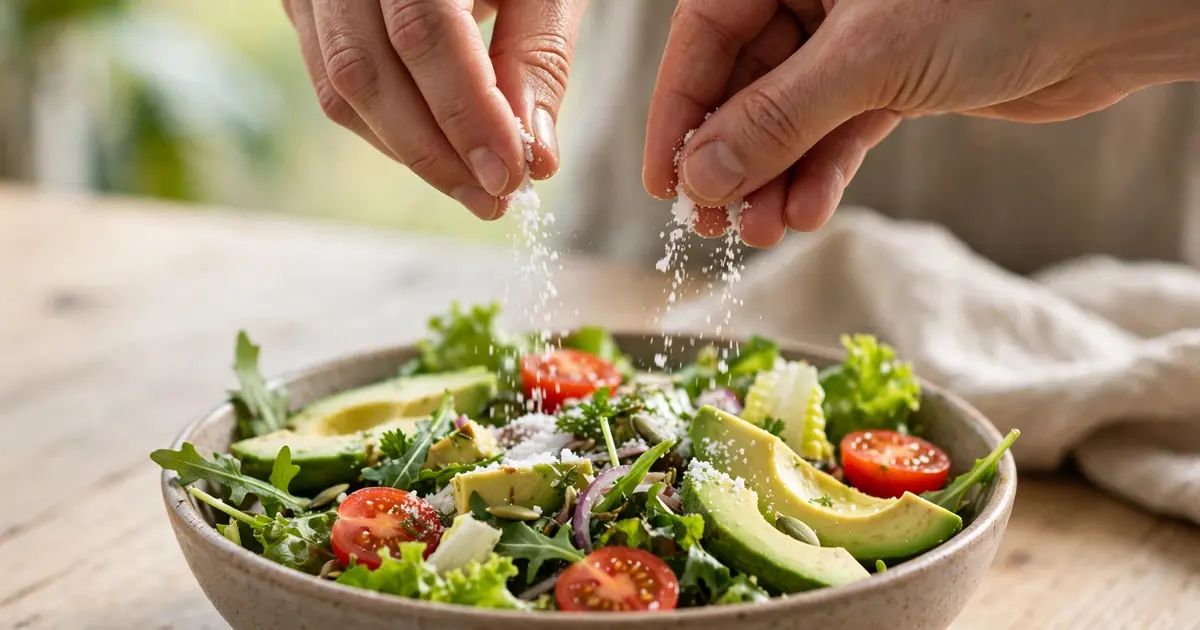
3. Season Vegetables and Salads
Vegetables are the easiest place to start, because their fresh flavour hides any small taste difference in potassium salt substitute. Sprinkle it over steamed greens, roasted potatoes, or a salad with lemon and olive oil, and you will hardly notice the change. This habit pairs the substitute with the foods that already support heart health, so every plate carries two benefits: less sodium and more of the nutrients your heart needs.
4. Pair With Potassium-Rich Foods
The potassium salt substitute works best when the rest of your plate is already rich in potassium. Beans, lentils, spinach, sweet potatoes, bananas, and yoghurt add potassium naturally, and they add fibre, which helps your heart in its own way. Think of the substitute as the finishing touch on a diet already moving in the right direction, not as a fix that lets you eat salty processed food. The new international food pyramid puts plant foods first, which fits this pattern.
5. Keep the Shaker in Sight
Small habits decide how much salt you eat. Keep the substitute in the shaker you reach for daily, and move the regular salt to a high shelf, out of easy reach. When the healthier choice is the easy choice, you will use it without thinking, and your daily sodium will fall without sacrifice. If you eat out often, ask for less salt in your food, because restaurant and takeaway meals are usually the saltiest part of the day.
6. Read Labels for Hidden Salt
Even the best potassium salt substitute cannot help if most of your salt comes from packets and jars. Bread, sauces, cheese, pickles, and ready meals often carry far more sodium than they taste of, so read labels and compare brands before you buy. Look for the sodium figure per serving, and choose the lower one. A few minutes of label reading each week can cut more sodium from your diet than any shaker will, and the substitute covers only the salt you add yourself.
7. Track Your Blood Pressure
The only way to know if the swap is helping you is to measure your blood pressure. Check it at home with a cuff, or ask your doctor or pharmacist to check it regularly, and write the numbers down. Blood pressure changes slowly, so do not expect a big drop in a week, but a steady fall over two or three months is a good sign the lower-sodium pattern is working. If your numbers do not move, talk to your doctor about what else might help.
How Much Potassium Salt Substitute to Use
A Daily Measure
Health experts suggest keeping total salt below about one teaspoon a day, roughly 5 grams of salt or 2,000 milligrams of sodium. That limit covers all the salt you eat, including salt already hidden in bread, cheese, and sauces, so what you add while cooking should stay well below a teaspoon. A potassium salt substitute helps you stay inside that limit, because every pinch carries less sodium than the same pinch of regular salt. Use the same spoon, the same pinch, and the same habit — the substitute makes the habit safer.
Cooking With It
In cooking, the substitute behaves like regular salt: it dissolves in water, seasons soups and curries, and helps bread rise. Two cautions are worth knowing. First, do not use it in pickles or preserves that rely on salt to keep food safe, because the chemistry differs. Second, add it a little at a time and taste as you go, since its slightly bitter note shows up more in dishes with little else to season them. In everyday cooking, you will not need to change a single recipe.
Who Should Check With a Doctor
Kidney Problems
For most healthy adults, a potassium salt substitute is safe, but it is not right for everyone. If your kidneys do not work well, they cannot clear extra potassium from your blood, and potassium can build up and disturb the heart’s rhythm. People with kidney disease should ask their doctor before using any salt substitute, and be careful with foods and drinks very high in potassium. Your doctor can check your blood potassium with a blood test.
Medicines That Raise Potassium
Some common medicines raise blood potassium levels, and a potassium salt substitute can add to that effect. These include ACE inhibitors and ARBs, which many people take for blood pressure, as well as potassium-sparing water tablets and other heart medicines. If you take any regular medicine for blood pressure, heart failure, or kidney problems, ask your doctor or pharmacist whether a salt substitute is safe for you before you start.
Other Groups Needing Care
Pregnant women, older adults, and people with diabetes or heart failure should check first, not because the substitute is dangerous for them, but because their potassium balance is more delicate. Children do not need salt substitutes; their food should simply be lightly salted. The rule is simple: if you have a long-term health condition or you take regular medicine, a quick question to your doctor is worth more than any guess. When in doubt, ask your doctor: a five-minute question can prevent a serious problem.
Mistakes to Avoid
The most common mistake is treating a potassium salt substitute as a free pass to eat as much salt as you like. The substitute still contains sodium, so using twice as much of it wipes out the benefit. Measure what you use for the first few weeks, even if only a pinch between your fingers, and keep the total near a teaspoon. A substitute helps you eat less sodium; it does not make sodium harmless, and measuring is what keeps the benefit real. The same care applies to other heart habits, so read these mistakes that raise cholesterol.
A second mistake is switching the shaker but ignoring the rest of the diet. If most of your salt still comes from bread, cheese, sauces, and takeaway food, the substitute can only do a small part. Pair the swap with simple changes: cook at home more, choose fresh food over packets, and eat more vegetables. The substitute is one tool in a bigger pattern, and the pattern protects your heart over the years. A plate of vegetables, beans, and whole grains does more for your heart than any single product on a shelf.
Potassium Salt Substitute: Frequently Asked Questions
What is potassium salt substitute?
It is salt made by replacing part of the sodium chloride in regular salt with potassium chloride. A potassium-enriched salt substitute usually contains about 25 to 30 percent potassium chloride, so it tastes much like salt but carries less sodium and extra potassium.
Is it safe for everyone?
No. It is safe for most healthy adults, but people with kidney disease or taking medicines that raise potassium should ask a doctor first. Too much potassium can disturb the heart’s rhythm, so a quick check is worth it.
How much potassium salt substitute can I use?
Aim for the same limit as regular salt: less than a teaspoon a day in total, including salt already in food. A potassium salt substitute helps you stay inside that limit, because each pinch carries less sodium than the same pinch of salt.
Does it taste like salt?
Mostly, yes. It tastes salty with a slight bitter note that most people stop noticing within a few days. A half-and-half mix, or a different brand, helps while your taste buds adjust.
Can it lower blood pressure?
Research suggests it can help, mainly by cutting sodium and adding potassium. The effect is gradual and modest, but a potassium salt substitute can lower blood pressure a little over weeks and months, especially when the rest of your diet is healthy.
Where can I buy potassium salt substitute?
Most large supermarkets and online stores sell it in the salt aisle, often labelled low-sodium salt or potassium salt. Check the label for potassium chloride, and compare brands for the mix that suits your taste.
Final Thoughts on Potassium Salt Substitute
Swapping your salt is one of the smallest changes you can make, and it may be one of the most useful. A potassium salt substitute keeps the taste you love, cuts the sodium you do not need, and adds potassium your body can use. Start slowly, measure what you use, check with your doctor if you have kidney problems or take blood pressure medicine, and let the swap become a daily habit. Your heart will thank you for it, one pinch at a time.
Disclaimer: This article is for educational and informational purposes only and is not medical advice. Always consult a qualified healthcare professional for any health concern.

Author Profile by Health Physical Fitness
I write evidence-based educational articles on health, fitness, wellness, nutrition, diet, weight management, healthy foods, lifestyle and skincare. All articles are for educational and informational purposes only, not medical advice.
1 Comment