
10 Mindfulness Exercises for Daily Life and Wellbeing
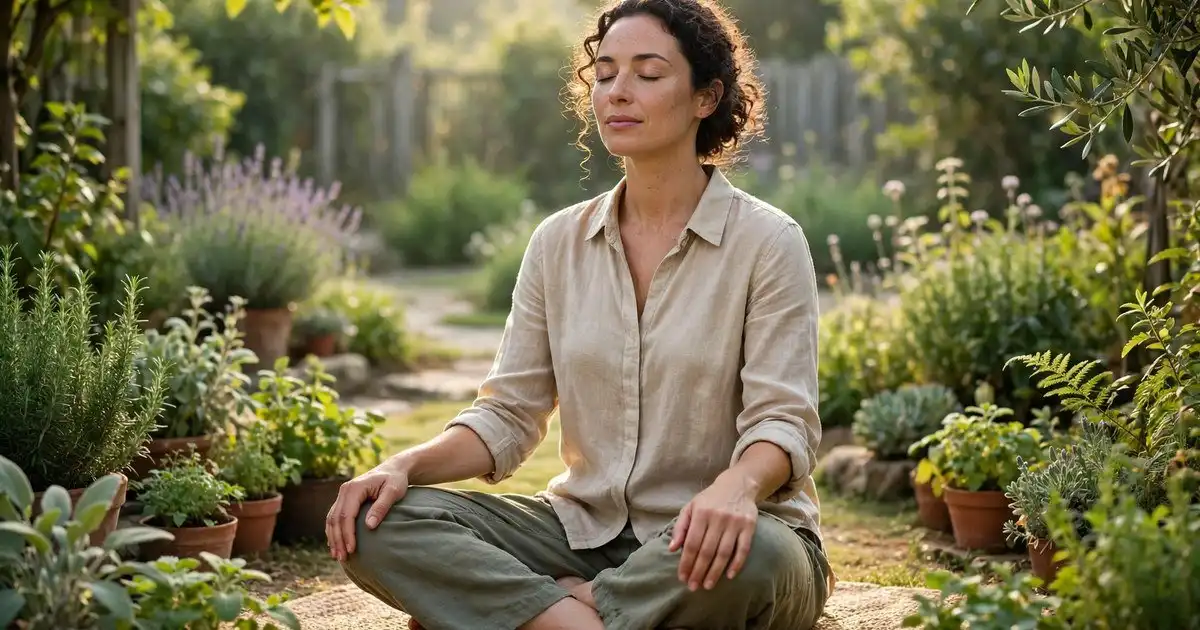
Mindfulness exercises for daily life are simple practices that help you slow down, notice the present moment, and feel calmer in an ordinary day. You need no equipment, no quiet room, and no long free time. Each takes only a few minutes, at home, at work, or while you walk.
Mindfulness does not mean emptying the mind. It means paying attention to what is happening now, without judging it. When thoughts wander, you notice and gently bring your attention back. That returning is the whole practice. This guide teaches mindfulness exercises for daily life, so you can start today and build a small daily habit.
What Are Mindfulness Exercises?
Mindfulness exercises for daily life are short practices that train your attention. In each one, you choose something to notice, such as breath, body, steps, or nearby sounds, and you keep your attention on it for a few minutes. When your mind drifts, you notice without scolding yourself, and you return to the chosen focus.
These exercises come from mindfulness-based programmes used in health care and stress reduction. The best known is mindfulness-based stress reduction, which teaches people to pay attention in a steady, kind way.
The exercises here are the simple daily versions. Mindfulness exercises for daily life are practical tools anyone can use to feel steadier today.
Benefits of Mindfulness Exercises for Daily Life
People practise mindfulness exercises for daily life because the effects show up in ordinary moments. You may react less quickly, sleep more easily, or focus for longer.
Less Stress and More Calm
Stress often comes from the mind racing ahead. A mindfulness exercise brings your attention back to this moment, usually quieter than the worries in your head. Slow breathing settles the body: your heart rate eases and your shoulders drop.
Better Focus and Clear Thinking
Every time you notice your mind has wandered and bring it back, you train focus. These exercises for daily living repeat this small act, like lifting weights. People who practise them often find reading, working, and listening easier.
Easier Sleep
A busy mind often keeps people awake at night. A body scan or slow breathing can relax the body and make it easier to drift off. For more on rest, read our Sleep Wellness guide.
A Steadier Mood
Mindfulness does not remove difficult feelings, but it changes how you meet them. Instead of being carried away by a low mood or irritation, you notice the feeling, name it, and let it pass without acting on it.
That pause gives you a choice, rather than reacting on impulse.
10 Mindfulness Exercises for Daily Life
The ten exercises below are the heart of this guide. Each is a complete practice on its own, taking between three and ten minutes.
Read the steps, then try the exercise. Do not worry about doing it perfectly. A wandering mind is normal, and noticing it is part of the practice, not a failure.
1. Box Breathing
Box breathing is a simple pattern that steadies the mind. Sit comfortably, back straight, shoulders relaxed. Breathe in through your nose for four, hold for four, breathe out through your mouth for four, and hold, lungs empty, for four.
That is one box. Repeat four times, about two minutes. It is one of the most useful mindfulness exercises for daily life because it is silent, quick, and always available.
2. 4-7-8 Breathing
The 4-7-8 breathing exercise is a longer, slower evening pattern. The long exhale is the key: breathing out longer than in tells the body it is safe to slow down.
Sit or lie down, tongue behind your upper front teeth. Breathe in through your nose for four, hold for seven, and breathe out through your mouth for eight, making a soft whoosh. That is one round. Repeat four times, about two minutes.
If you feel dizzy, stop and breathe normally. Do not practise it while driving. Like box breathing, it is one of the mindfulness exercises for daily life that needs no equipment and no special place.
3. Body Scan
A body scan is a slow tour of attention through your body. It teaches you to notice sensations, such as warmth or tightness, without changing them.
Lie on your back, or sit with your feet on the floor. Move your attention down from your head: forehead, jaw, neck, shoulders, hands, chest, stomach, legs, feet. Spend thirty seconds on each part, noticing what you feel.
If you find tension, breathe into it and let it soften. If your mind wanders, mindfulness exercises for daily life return it there gently. A full scan takes ten minutes; a short one takes three. A regular body scan is one of the mindfulness exercises for daily life that helps you catch tension early.
4. Walking Meditation
Walking meditation turns an ordinary walk into a mindfulness exercise. Instead of walking to get somewhere, you walk slowly, paying close attention to your body moving.
Choose a short, quiet stretch of path, about ten to twenty steps, in a garden or park. Stand still and feel your feet on the ground. Then walk very slowly. Notice each part of the step: heel lifting, foot moving forward, sole touching the ground, weight shifting.
Keep your arms relaxed, eyes looking softly ahead. At the end, pause, turn slowly, and walk back. Continue for five to ten minutes. Your mind will wander. When it does, mindfulness exercises for daily life return attention to your feet and steps.

5. Mindful Listening
Mindful listening is hearing sounds without labelling or judging them. It asks you to pause and simply receive each sound as it is.
Sit comfortably and close your eyes. First, listen to the sounds closest to you, such as your breathing or a room’s hum. Next, listen to sounds further away, such as voices in another room or birds outside. Finally, listen to the farthest sounds you can hear, such as traffic or wind.
Mindfulness exercises for daily life do not name each sound or follow stories. Try it for three to five minutes when you need a break. It is one of the quietest mindfulness exercises for daily life, and it needs nothing but your ears and a few minutes.
6. Mindful Observation
Mindful observation means choosing one thing and looking closely, as if seeing it for the first time. Anything can be the object: a leaf, cup, flower, or stone. Pick one small object and hold it, or place it in front of you.
Spend two to three minutes looking at it carefully. Notice its colour, shape, edges, texture, and how the light falls on it and where the shadows sit. Do not think about what the object is for, where it came from, or whether you like it. Just observe it.
If your mind tells a story about the object, mindfulness exercises for daily life bring attention back gently to what you can see. Two minutes of close looking can quiet a busy mind, and it is one of the easiest mindfulness exercises for daily life to fit into a gap between tasks.
7. Grounding with the 5-4-3-2-1 Method
Grounding brings your attention back to the world around you when thoughts feel overwhelming. The 5-4-3-2-1 method uses your five senses to anchor you in the present moment.
Pause where you are and look around. Name five things you can see, such as a chair, window, book, plant, and lamp. Then name four things you can touch, such as your clothes, a table, the floor, and the air on your skin.
Next, name three things you can hear, such as a clock, a voice, or the wind. Then name two things you can smell, such as soap or fresh air. Finally, name one thing you can taste, such as water or toothpaste.
8. Loving-Kindness Meditation (Metta)
Loving-kindness meditation, also called metta, is a practice of wishing well to yourself and others. Sit comfortably and close your eyes. Begin with yourself and repeat these wishes slowly: “May I be safe. May I be healthy. May I be calm.”
Then think of someone you care about and offer the same wishes to them. Next, wish a neutral person, such as a neighbour, well. Finally, extend the wishes to all people.
If your mind wanders, bring it back gently to the wishes. Practise for five minutes. It is one of the mindfulness exercises for daily life that softens the heart and steadies the mood.
9. Breath Counting Meditation
Breath counting is a simple way to steady a restless mind. Sit comfortably, back straight, and breathe naturally. Count each exhale from one to ten, then start again at one.
Breathe in, breathe out, and silently say “one”, then “two”. Continue to ten, then return to one. If you lose count or your mind wanders, notice it without judgement and begin again at one.
Do not control the breath. Just breathe and count. Practise for five to ten minutes. It is one of the mindfulness exercises for daily life that builds focus, because each count is a small act of attention.
10. Mindful Daily Activity
A mindful daily activity turns an ordinary routine task into a practice. Choose one task you do every day, such as washing the dishes, showering, or brushing your teeth. Do it slowly and pay full attention.
If you wash the dishes, feel the warm water, hear it, and notice the weight of each plate. If you shower, feel the water on your skin and smell the soap. Do not rush, and do not think about what comes next.
When your mind wanders, bring it back to the task. This is one of the mindfulness exercises for daily life that needs no extra time, because it uses a moment that already exists.
How to Fit Mindfulness Exercises into a Busy Day
You do not need extra hours for mindfulness exercises for daily life. These exercises for daily living are short, fitting moments that already exist.
In the morning, do three minutes of box breathing after waking. Midday, take a short walking meditation to lunch, or do a three-minute body scan at your desk. In the evening, do 4-7-8 breathing or a body scan before bed.
Waiting time is also good practice time. While waiting for a kettle, a bus, or a meeting, try mindful observation or mindful listening for two minutes.
Tips for Beginners
Start small. Begin with one exercise for three minutes a day. Three minutes is short enough to do, and long enough to feel it. Set a reminder, or link the practice to something you already do, such as brushing your teeth.
Be patient with yourself. Your mind will wander, and that is not a sign you are doing it wrong. Each time you notice the wander and return, you are doing it correctly. Do not buy special equipment. A chair, your breath, and a few minutes are all you need.
Common Mistakes to Avoid
The most common mistake is trying to empty the mind. That is not possible, and forcing it creates tension. Thoughts will come. Notice them and return, instead of trying to stop them. A second mistake is expecting instant results. Mindfulness is a skill that grows slowly.
A third mistake is trying to do all ten exercises at once. Choose one, and master it before you add another. A fourth mistake is judging yourself when your mind wanders. The wander is not a failure; noticing it is the success. Finally, do not only practise when stressed. Daily practice works best.
Safety Guidelines
Mindfulness exercises for daily life are gentle and safe for most people, but a few guidelines will help. Do breathing exercises sitting or lying down, not while driving, and stop if you feel dizzy. If an exercise brings up strong feelings, stop, breathe normally, and try again another day.
Mindfulness exercises are not a substitute for medical care. If you live with anxiety, depression, or another mental health condition, talk to your doctor before starting, and continue any treatment they gave you.
If your low mood or anxiety lasts more than two weeks, speak to a health professional. For more, read our What Is Mental Wellness guide and our Mental Health and Fitness guide.
Frequently Asked Questions About Mindfulness Exercises for Daily Life
How long should mindfulness exercises for daily life take each day?
Three to ten minutes a day is enough. Start with three minutes of one exercise, such as box breathing. As the habit grows, build up to ten minutes.
What is the best time of day to practise mindfulness exercises?
The best time is when you will actually do it. Many people like the morning, because it sets a calm tone. Others prefer the evening, because slow breathing helps sleep.
Can mindfulness exercises for daily life help with stress?
Many people find that mindfulness exercises for daily life help them feel less stressed, because the practices bring attention back to the present moment. Slow breathing and grounding help in tense moments.
Do I need to sit cross-legged or close my eyes to practise mindfulness?
No. You can practise mindfulness sitting in a chair, standing, or walking. Closing your eyes can help you focus, but it is not required, and some prefer to keep their eyes open with a soft gaze. The important part is your attention, not your posture.
How long does it take to feel the benefits of mindfulness exercises?
Some people feel calmer after the first few sessions, especially after slow breathing. For steadier benefits, such as better focus and easier sleep, most people need a few weeks. The change is usually gradual, and you may notice it in small ways.
Can I practise mindfulness exercises for daily life at work?
Yes. Many mindfulness exercises for daily life are silent and invisible, so they fit well at work. Box breathing, mindful listening, and mindful observation can be done at your desk unnoticed. A short walking meditation works on the way to lunch.
Questions or Feedback?
We would like to hear from you. For general questions write to contact@healthphysicalfitness.com or info@healthphysicalfitness.com. To report a correction or suggest a topic, email editor@healthphysicalfitness.com. For website help, contact support@healthphysicalfitness.com.
Medical Disclaimer
The information on this page is for educational purposes only and is not a substitute for professional medical advice, diagnosis, or treatment. Always consult your physician or another qualified health provider before beginning an exercise program, and never disregard professional advice because of something you read on this website. Please read our full Disclaimer, Privacy Policy, and Terms and Conditions.
Final Thoughts on Mindfulness Exercises for Daily Life
Mindfulness is not a big project. It is a small daily act: a few slow breaths, a careful look, a quiet walk.
Start mindfulness exercises for daily life for three minutes a day, and let the habit grow. Over weeks, those few minutes will steady your mind, ease stress, and calm ordinary days. Your attention is yours to train, and today is a good day to begin.
References
- National Health Service (NHS). Mindfulness for mental health and wellbeing.
- World Health Organization (WHO). Mental health fact sheet.
About the Author

Author Profile by Health Physical Fitness
This Mindfulness Exercises guide was prepared by the Health Physical Fitness editorial team, which publishes free, practical articles on exercise, nutrition, and healthy living. The team draws on recognized public health sources and avoids exaggerated claims.
Keep learning with our Physical Fitness, Healthy Lifestyle, and Health Wellness guides, or contact the team at editor@healthphysicalfitness.com.
1 Comment