
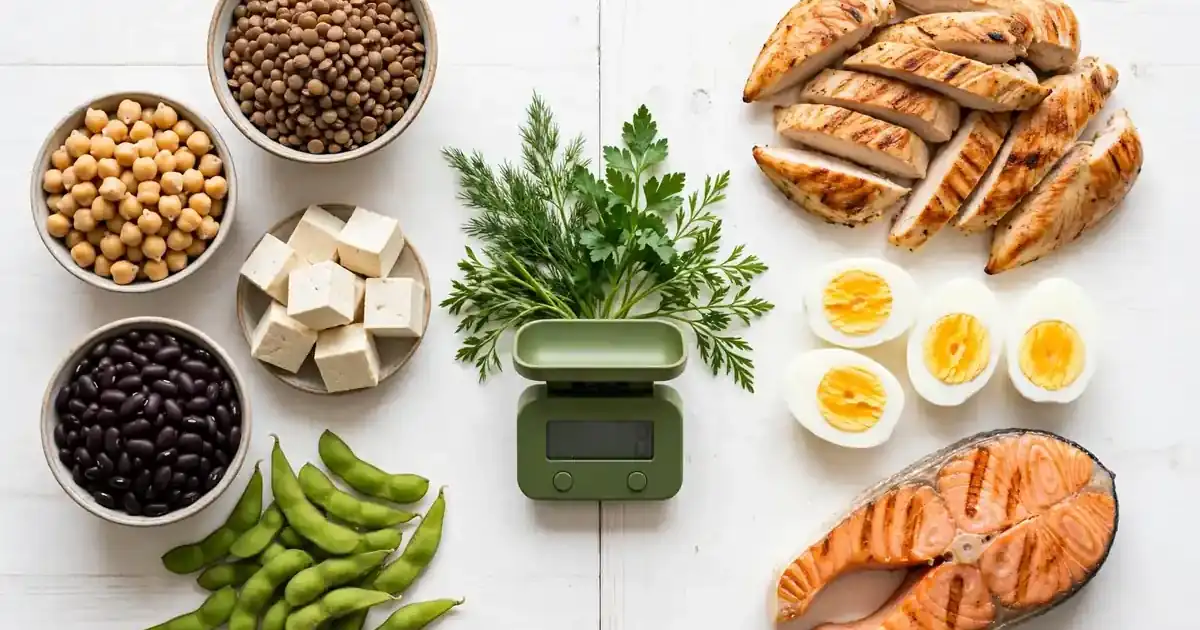
Plant protein vs animal protein is the comparison at the centre of a trial analysis, and replacing animal protein with plant protein could better support weight loss, according to Medical News Today on 8 November 2026. The finding comes from a secondary analysis of a crossover trial of 62 adults with overweight followed a low-fat vegan diet and a Mediterranean diet for 16 weeks each. During the vegan phase, when animal protein was replaced by plant protein, participants lost 6 kilograms on average. This guide covers the comparison only — what changed, why it may have helped, and how to swap foods.
Interest in plant protein vs animal protein has grown quickly, and the search term replacing animal protein with plant protein weight loss now appears in many health guides. No surprise: protein is the nutrient most dieters watch first, yet protein type rarely gets the same attention as the amount. The new analysis suggests the source may matter as much as the grams, which is why plant protein vs animal protein deserves a closer look. The rest of this guide stays on that single question and does not repeat general protein advice already on our site.
One honest note first: the trial cannot prove plant protein alone caused the weight loss, because fat, carbohydrate and total calories changed at the same time. The researchers say so themselves, and further studies are needed. Even so, the plant protein vs animal protein pattern is useful. Swapping some animal protein for plant protein brings more fibre, fewer calories per bite and a different mix of amino acids, all pointing the same way. Keep that careful framing in mind as you read on.
Plant Protein vs Animal Protein: What the New Research Found
The Trial in Simple Words
The trial behind the headlines was a randomised crossover study: every participant tried both diets in turn, with a four-week break in between. Sixty-two adults with overweight followed a low-fat vegan diet for 16 weeks and then a Mediterranean diet for 16 weeks, or the other way round. Dietitians checked three-day food records, so intakes were tracked rather than guessed. Results were published in October 2026 in BMJ Nutrition, Prevention and Health, and the plant protein vs animal protein weight-loss analysis followed in November.
During the low-fat vegan phase, average weight loss reached 13 pounds, or 6 kilograms, over 16 weeks. Total protein intake fell from 80 grams a day to 46 grams a day, which surprises many people, because the usual advice is to eat more protein, not less. Animal protein fell by 47.7 grams a day while plant protein rose by 14.4 grams, so the diet’s balance changed far more than its total. The researchers found the plant protein vs animal protein swap was linked with weight loss in adults with overweight, even though total protein went down.
Why the Swap May Help Weight Loss
One clue is the amino acid mix. The analysis found that lower levels of four amino acids — isoleucine, lysine, methionine and tyrosine — were linked with greater weight loss, and these amino acids are higher in animal protein than in plant protein. The researchers cannot yet confirm a direct link, so this is a lead for future studies, not a proven cause. Still, plant protein vs animal protein fits the wider picture: plant foods carry less of these amino acids, and the body may respond with a small metabolic benefit.
The low-fat vegan phase cut dietary fat and lowered calorie density, while fibre rose, so people could eat satisfying portions with fewer calories. Senior study author Hana Kahleova, MD, PhD, said the protein source matters, and that shifting the balance toward beans, lentils, tofu and whole grains gave a benefit they did not get from simply eating more vegetables. Plant protein vs animal protein therefore looks like a useful lens, but not the whole story.
Plant Protein vs Animal Protein: How the Two Compare
Calories and Fat
The clearest difference in plant protein vs animal protein is what travels with the protein. A serving of lentils or beans brings protein with almost no fat and plenty of water and fibre, so a full plate stays modest in calories. Meat, cheese or eggs bring protein too, but often with saturated fat and far less water, so the same grams can cost many more calories. That gap is the simplest reason the swap may help weight loss: it makes a calorie deficit easier without smaller plates or strict counting.
Fibre and Fullness
Fibre is the second big difference, and it belongs almost entirely to the plant side. Animal foods contain no fibre at all, while beans, lentils and chickpeas are rich in it, and fibre slows digestion and keeps you full longer after a meal. A lentil meal can hold hunger off for hours, while a low-fibre meat meal may leave you looking for a snack sooner. For weight loss, fullness in plant protein vs animal protein matters as much as calories: a plan you can stick to beats a stricter plan you abandon within a week.
Protein Quality and Amino Acids
Animal protein has one real advantage: it is complete, supplying all nine essential amino acids in the right proportions, while most plant foods fall short on one or two. Soya foods such as tofu and edamame are the exception, because they are complete on their own. The gap is easy to close by mixing plant foods through the day: beans with grains, or lentils with seeds, cover each other’s weak spots. The plant protein vs animal protein trial adds a twist: lower levels of certain amino acids in plant protein were linked with greater weight loss, so completeness is not the only measure that matters.
Vitamins, Minerals and Extras
Each side brings nutrients the other lacks. Plant proteins arrive with magnesium, potassium, folate and plant compounds, and no cholesterol, while animal proteins bring vitamin B12, iron and zinc in forms the body absorbs easily. Neither side is perfect alone, so a mixed swap works better than a sudden full switch for most people. Keep the foods you enjoy, replace part of the animal protein with plant choices, and watch the balance across the week rather than judging one meal. That steady plant protein vs animal protein approach fits the trial pattern and protects your nutrient intake too.
Plant Protein vs Animal Protein: 5 Best Swaps for Weight Loss
The five plant protein vs animal protein swaps below are the most practical changes from the comparison: each one cuts calories and fat, adds fibre, and keeps the meal satisfying. Every swap names a direct replacement, so you can try one this week without new recipes or unusual foods. Start with the easiest swap, use it three or four times a week, and add a second only when the first feels normal. Small steady changes are the ones that last, and the trial suggests the balance of protein matters more than any single food.
1. Lentils Instead of Minced Beef
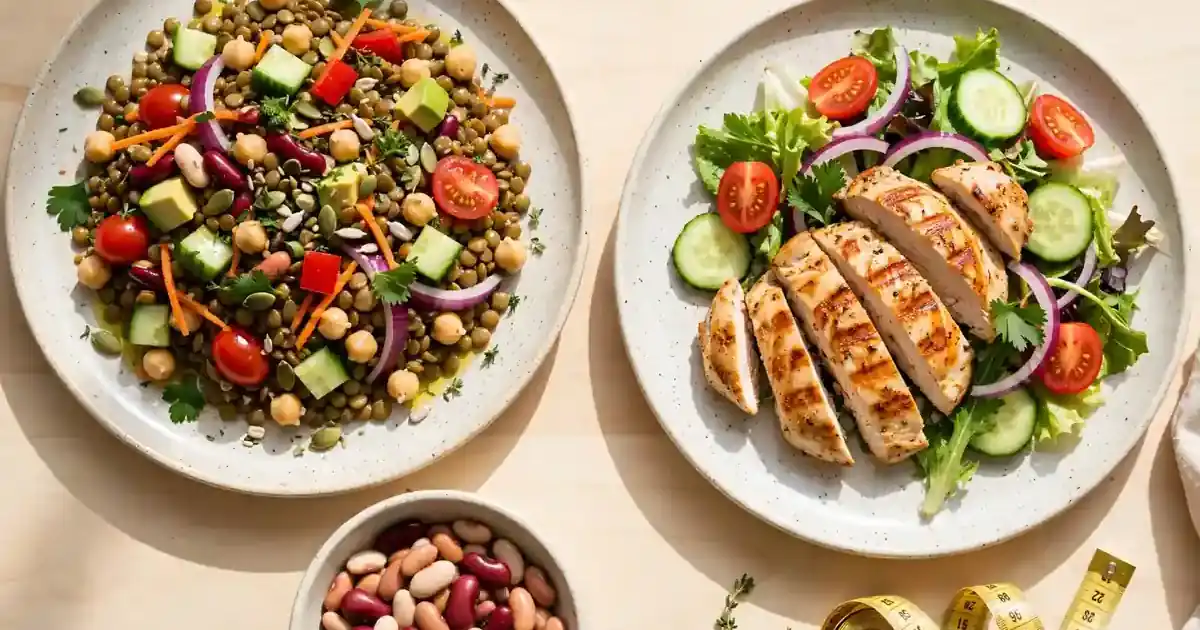
Lentils are the strongest first swap: cooked lentils give about 18 grams of protein per cup with almost no fat and around 15 grams of fibre, while minced beef gives similar protein with far more fat and no fibre. Use brown or green lentils in place of mince in sauces, tacos, shepherd’s pie and curries, seasoning them as you would meat, because the spices carry the dish. The plant protein vs animal protein texture is close enough that most people barely notice the change, and the plate stays filling for hours.
Start with a half-and-half mix if a full swap feels too sudden: half mince and half lentils keeps the familiar flavour while cutting fat and adding fibre. Cook a large batch once a week, keep it in the fridge, and spoon it into meals as needed, which makes the swap as quick as opening a packet of mince on busy nights.
2. Tofu Instead of Chicken
Tofu is the closest plant protein vs animal protein match for chicken in cooking: firm tofu takes on marinades, fries well, and gives about 10 grams of protein per half cup with very little fat. Press the block first to remove water, cut it into cubes, and cook it in a hot pan until the edges turn crisp — that texture is what makes tofu satisfying rather than soft. Use it in stir-fries, curries and salads exactly where chicken would go, with the same sauces and spices you already enjoy.
3. Chickpeas Instead of Processed Meat
Chickpeas are the best plant protein vs animal protein swap for processed meats such as sausages, bacon and sliced ham: a cup gives about 15 grams of protein with fibre and almost no fat, while processed meat brings protein with salt, saturated fat and far more calories. Roast them with paprika for a crunchy snack, mash them for a sandwich filling, or add them to salads and grain bowls.
4. Black Beans Instead of Cheese and Meat
Black beans suit plant protein vs animal protein meals where cheese and meat usually carry the protein, such as wraps, burritos and baked potatoes: a cup gives about 15 grams of protein with 15 grams of fibre and very little fat. Cheese adds protein too, but also a large amount of saturated fat and calories per bite, so swapping half the cheese for beans makes the same meal far lighter without losing flavour. Season the beans with cumin, garlic and lime, and the dish stays bold and satisfying for everyone at the table.
Try a bean and vegetable wrap with a little cheese for flavour rather than a large handful, and you will see how little cheese a meal needs when beans do the filling work. It also suits family meals, because most people enjoy beans once they are seasoned well. Serve the wrap with a simple salad and the meal feels complete without any meat at all.
5. Edamame Instead of a Meat Snack
Edamame is the simplest plant protein vs animal protein swap of the five: a cup gives about 17 grams of complete protein with fibre and healthy fats, and it works as a snack, not a full meal. Keep frozen edamame in the freezer, boil it for three minutes, add a pinch of salt, and it is ready before a meat snack would be cooked. It suits the evening hours when many people reach for processed meat snacks, and the fibre helps stop the extra snacking that follows. The swap needs no recipe and no planning, so it is easy to keep.
How to Make the Swap Without Losing Protein
Match the Grams, Not Just the Plate
The plant protein vs animal protein trial cut total protein to about 46 grams a day and still saw weight loss, yet most adults should not copy that figure: it was a study diet under supervision. A better rule is to match the protein grams of the food you replace: one cup of lentils for a palm-sized piece of meat, or a block of tofu for a chicken breast. Check the label once or twice to learn the numbers, then swap by eye without weighing food at every meal. Keeping protein steady protects muscle while the swap does its work.
Mix Plant Proteins Through the Day
No single plant food needs to do the whole job, because mixing them through the day covers every amino acid you need. Beans with rice, lentils with seeds, and hummus with whole-grain bread are classic pairs that complete each other without planning or supplements. Soya foods such as tofu, tempeh and edamame are complete on their own and make plant protein vs animal protein simpler. Spread plant protein across your meals rather than loading it into one, and your body gets a steady supply through the day. For more on balanced eating, see our healthy foods and diet tips guides.
Mistakes to Avoid When You Swap
The most common plant protein vs animal protein mistake is swapping meat for a plant food that is fried, sugary or heavily processed: a battered soya burger with chips is no lighter than the meat it replaces. The benefit comes from whole plant foods such as beans, lentils and tofu, not from a packet labelled plant-based. A second mistake is dropping protein too far: keep your grams steady, especially if you are active. Older adults should be extra careful: lower protein can speed up muscle loss, so keep portions generous and add strength exercise if your doctor agrees.
Another plant protein vs animal protein mistake is changing everything in one day and then giving up when the food feels strange. A sudden full switch can leave you hungry, low on energy and missing the foods you enjoy, which makes the plan easy to abandon. Swap one meal a day for two weeks, learn the recipes that suit you, and only then add a second swap. Your taste buds adjust fast, and the slow route is the one that survives busy weeks. For weight-loss guidance that fits the swap, read our weight loss guide.
Plant Protein vs Animal Protein: Frequently Asked Questions
Does replacing animal protein with plant protein help weight loss?
Research suggests it may help: a fresh trial analysis found replacing animal protein with plant protein could better support weight loss as part of a low-fat vegan diet. Participants lost about 6 kilograms over 16 weeks even as total protein fell, yet the trial cannot prove plant protein alone caused it. Treat the plant protein vs animal protein swap as one helpful step, not a promise, and pair it with balanced meals.
Can I get enough protein without meat?
Yes, most people can: beans, lentils, tofu, edamame and whole grains supply plenty of protein when mixed through the day. Match the grams of the food you replace, spread plant protein across your meals, and include a soya food for complete protein. With a medical condition or a high training load, ask a qualified healthcare professional about your target.
Is plant protein as good as animal protein for muscle?
Plant protein can support muscle well when you eat enough and mix sources, as the amino acids add up across the day. Animal protein wins on convenience: one serving is complete, while plant meals need a little more thought. Keep your total protein steady, add strength exercise, and your muscles will get what they need.
Which plant proteins are best for weight loss?
Lentils, black beans, chickpeas, tofu and edamame lead the list: each one gives solid protein with fibre and very little fat. Whole foods beat processed plant-based products in plant protein vs animal protein, which can carry as many calories as meat. Choose the ones you enjoy, rotate them through the week, and keep portions generous.
Do I need to go fully vegan to see a benefit?
No, a full switch is not needed: the trial pattern was about balance, not perfection. Swapping some animal protein for plant protein a few times a week moves your diet the same way as the study, without the strict rules of a vegan diet. Keep the animal foods you enjoy most, and replace the ones you care about least.
Is the swap safe for older adults?
The swap can be safe for older adults, but it needs extra care: lower protein intake can speed up age-related muscle loss. Keep portions generous, include soya foods and dairy or eggs if you eat them, and add strength exercise where your doctor agrees. If you are over 60, talk with a qualified healthcare professional before cutting protein sharply.
Final Thoughts on the Comparison
Plant protein vs animal protein is a comparison worth making: the new trial analysis suggests the source of your protein may matter as much as the amount. Swapping some animal protein for lentils, tofu, chickpeas, beans and edamame can lower calories, add fibre and keep meals satisfying, yet the research is young and cannot promise weight loss on its own. Start with one swap and keep your protein steady. Read the trial report at Medical News Today for full detail, and check our healthy foods guide for more meal ideas. Small careful swaps beat grand promises, and plant protein vs animal protein is a sound place to begin.
Disclaimer: This article is for educational and informational purposes only and is not medical advice. Always consult a qualified healthcare professional for any health concern.

Author Profile by Health Physical Fitness
I write evidence-based educational articles on health, fitness, wellness, nutrition, diet, weight management, healthy foods, lifestyle and skincare. All articles are for educational and informational purposes only, not medical advice.
2 Comments