
What Is Mental Wellness: 5 Best Signs of Mental Wellbeing
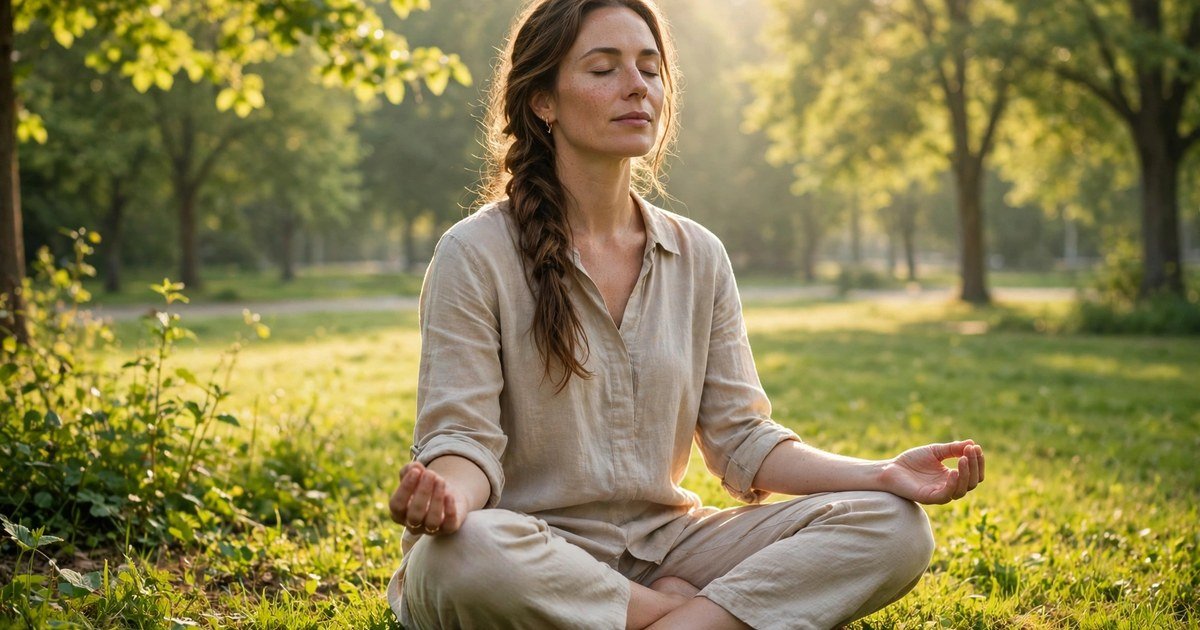
What is mental wellness? It is a positive state of mind in which you feel balanced, purposeful, and able to cope with the ups and downs of everyday life. It is not about feeling happy all the time. It is about having the inner steadiness to handle stress, enjoy good moments, and keep going when life gets hard. This guide explains the idea in simple words, so you can recognise it in yourself and build it step by step.
Many people hear the term mental wellness and think it means the same as mental health, or that it only matters when something is wrong. In truth, mental wellness is for everyone, every day. It is the foundation that supports your mood, your focus, your relationships, and your energy. When it is strong, ordinary days feel easier. When it is weak, even small problems can feel overwhelming.
This guide answers the question of what is mental wellness in plain language. You will learn how it differs from mental health and mental illness, the four dimensions that make it up, five clear signs of good mental wellness, and practical ways to build it. You do not need special training or expensive tools. The steps are simple, and they fit into a normal day.
What Is Mental Wellness?
According to the World Health Organization, what is mental wellness? It is a state of well-being in which a person realises their own abilities, can cope with the normal stresses of life, can work productively, and is able to contribute to their community. In simpler words, it means your mind is working well for you, not against you. You can think clearly, feel steady, and handle what each day brings.
Understanding what is mental wellness starts with a simple idea: wellness is not the absence of problems. Everyone faces stress, sadness, and setbacks. Mental wellness is the capacity to meet those moments without losing your balance. It grows when you look after your mind the way you look after your body, through rest, connection, and healthy daily habits.
Mental Wellness vs Mental Health
People often ask what is mental wellness and how it differs from mental health. The two ideas overlap, but they are not the same. Mental health is the broad state of your emotional, psychological, and social well-being. Mental wellness is the active, positive side of that state: the daily sense of balance, purpose, and calm that you build and protect. Think of mental health as the whole picture and mental wellness as the bright, healthy part of it.
Mental wellness is also different from mental illness. A person can live with a mental health condition and still build strong mental wellness through support, treatment, and daily habits. At the same time, a person with no diagnosis can still feel low, drained, or disconnected. When you understand what is mental wellness, the difference becomes clear: illness is a condition to treat, while wellness is a capacity to grow, and everyone can grow it.
The Dimensions of Mental Wellness
To fully grasp what is mental wellness, it helps to look at its dimensions. Mental wellness is not one single thing. It has several parts that work together, and each part supports the others. When one part is weak, the whole feels weaker. When you strengthen each part a little, the whole becomes steadier. The four main dimensions are emotional, psychological, social, and physical wellness.
Emotional Wellness
Emotional wellness means understanding and managing your feelings. You notice what you feel, name it honestly, and respond in a calm way instead of reacting without thinking. It sits at the heart of what is mental wellness, because feelings shape how you see every situation. People with strong emotional wellness can feel sad or angry without being controlled by those feelings, and they can enjoy good moments fully.
Psychological Wellness
Psychological wellness covers clear thinking, a sense of purpose, and the ability to learn and grow. It is about how you see yourself and your life. When people ask what is mental wellness, they often mean this inner steadiness: knowing your values, setting realistic goals, and feeling that your life has direction. A psychologically well person can focus, solve problems, and keep learning, even when life is busy.
Social Wellness
Social wellness is about connection. Humans need other people, and a full answer to what is mental wellness always includes relationships. Talking with family and friends, and joining wellness groups for mental health, protects your mind. Loneliness, by contrast, wears it down. You do not need a large circle. A few honest, caring relationships are enough to keep social wellness strong.
Physical Wellness
Physical wellness supports the mind. Sleep, food, and movement all shape what is mental wellness in daily life. When you sleep well, your mood is steadier and your thinking is clearer. When you eat real, balanced food, your brain has the fuel it needs. When you move your body, even with a short walk, stress hormones fall and calm returns. Caring for the body is one of the most direct ways to care for the mind. For more on movement, read our Mental Health and Fitness guide.
5 Best Signs of Good Mental Wellness
How do you know if you are mentally well? The clearest way is to look for the signs. Once you know what is mental wellness, these five signs are easy to spot in yourself and in the people around you. You do not need all five every day. Wellness moves up and down, and that is normal. But when most of these signs are present most of the time, your mental wellness is in good shape.
1. You Cope Well with Stress
Stress is part of life, and a mentally well person still feels it. The difference is in the response. Instead of freezing or panicking, you pause, breathe, and take one small step. You ask for help when you need it, and you rest when you are tired. This steady response is a clear sign of what is mental wellness, because it shows your mind can bend without breaking.
2. You Enjoy Daily Life
Mental wellness shows in small pleasures. You enjoy a morning walk, a good meal, a laugh with a friend, or a quiet evening. These moments are not luxuries; they are signs that your mind is open to joy. When people lose the ability to enjoy ordinary days, it is often the first sign that mental wellness needs attention. Noticing and protecting these small joys is itself a habit of what is mental wellness in action.

3. You Have Strong Relationships
A mentally well person can form and keep healthy relationships. You listen, you share honestly, and you respect boundaries, both yours and other people’s. You can disagree without breaking the bond, and you can ask for support without shame. Strong relationships are both a sign and a source of what is mental wellness: they show it, and they build it at the same time.
4. You Feel a Sense of Purpose
Purpose gives direction. It does not have to be grand. Raising a family, doing honest work, helping a neighbour, or learning a skill can all give life meaning. When you know why your day matters, hard moments feel more bearable and good moments feel richer. This sense of purpose is a quiet but powerful part of what is mental wellness, and it grows when you spend time on things that matter to you.
5. You Bounce Back from Setbacks
Setbacks are certain. A missed goal, a harsh word, or a bad week can shake anyone. Mental wellness is measured not by avoiding these moments, but by how you recover from them. You rest, you learn, and you try again. This resilience is the most hopeful sign of what is mental wellness, because it means your mind can heal and grow stronger after difficulty, just as a muscle grows stronger after use.
How to Build Mental Wellness
Knowing what is mental wellness is only the first step. Building it takes small daily actions, repeated over time. You do not need a perfect routine or a big budget. The most effective habits are free and simple: move, connect, rest, and notice. The sections below give you practical starting points that fit into a normal day, at home, at work, or at school.
Daily Habits That Support Mental Wellness
A few daily habits protect mental wellness more than any single big change. Sleep seven to nine hours, eat regular balanced meals, and move your body for at least thirty minutes. Spend a few minutes in daylight, and keep one regular time to talk with someone you trust. These habits sound simple, and that is the point. A calm mind is built from ordinary days done well, and learning what is mental wellness means learning to value these small, steady routines. For a deeper guide to rest, read our Sleep Wellness article, and for balanced eating, see our Nutrition guide.
Mental Wellness Activities
Mental wellness activities are simple things you do on purpose to care for your mind. Journaling for ten minutes, practising slow breathing, walking in nature, or doing a hobby you love all count. So does volunteering, because giving to others lifts your own mood. Choose one activity and do it at the same time each day, so it becomes a habit. The best activity is the one you enjoy enough to repeat, and repeating it is how what is mental wellness turns from an idea into a daily reality.
Mental Wellness for Students and Teachers
Students and teachers face particular pressure, and mental wellness matters greatly in classrooms. For students, short study breaks, regular sleep, and talking with friends protect focus and mood. For teachers, setting clear boundaries between work and rest, and sharing the load with colleagues, prevents burnout. Many workplaces now offer mental health and wellbeing programs, and schools are following their lead. If you are a student or a teacher, start with one small habit, and let it grow. A steady mind learns faster and teaches better, and that is what is mental wellness in a school.
Common Myths About Mental Wellness
One common myth is that mental wellness means always feeling happy. It does not. A mentally well person still feels sad, angry, or afraid, and those feelings are normal and useful. The myth is harmful because it makes people hide their real feelings. True mental wellness is not constant happiness; it is the freedom to feel fully and to recover. When you stop chasing perfect happiness, you make room for what is mental wellness in its real form: honest, steady, and human.
Another myth is that mental wellness is only for people with problems, or that it needs a therapist. In truth, everyone benefits from looking after their mind, just as everyone benefits from brushing their teeth. Mental wellness services help when problems are serious, and asking for it is a strength, not a weakness. But daily mental wellness is built by ordinary people in ordinary days, through sleep, connection, movement, and kindness. That everyday care is what is mental wellness at its simplest, and it belongs to everyone.
A third myth is that mental wellness takes too much time. Many people think they need hours of meditation or expensive retreats to feel better. In truth, the most useful habits take only a few minutes. A short walk, three slow breaths, or a kind word to a friend can shift your whole day. Mental wellness fits into a busy life because it is built from small moments, not big events. Small moments add up.
Frequently Asked Questions About Mental Wellness
What is mental wellness?
Mental wellness is a positive state of mind in which you feel balanced, purposeful, and able to cope with everyday life. It includes a calm mood, clear thinking, good sleep, and healthy relationships. It is not the absence of problems, but the capacity to meet them with steadiness and hope.
What is mental wellness and how is it different from mental health?
Mental wellness is the active, positive side of mental health: the daily sense of balance, purpose, and calm that you build and protect. Mental health is the broader state of your emotional, psychological, and social well-being. Think of mental health as the whole picture and mental wellness as the healthy, thriving part of it.
What are the signs of good mental wellbeing?
The signs of good mental wellbeing show what is mental wellness in action. You cope with stress, enjoy daily life, keep strong relationships, feel a sense of purpose, and bounce back from setbacks. You sleep well, think clearly, and feel steady most days. If most of these signs are present, your mental wellness is in good shape.
How can I improve my mental wellness?
You can improve your mental wellness with small daily habits. Sleep seven to nine hours, move your body, eat balanced food, and spend time with people you trust. Try journaling, slow breathing, or a short walk in nature. These steps are simple, and they work best when you repeat them. Learning what is mental wellness is the first step; living it daily is the next.
What is the difference between mental wellness and mental wellbeing?
There is almost no difference. Mental wellness and mental wellbeing describe the same idea: a positive, balanced state of mind. Some organisations prefer ‘wellbeing’ and others prefer ‘wellness’, but both mean feeling steady, purposeful, and able to cope. On this site, we use the two terms to mean the same thing.
What are mental wellness activities?
Mental wellness activities are simple things you do on purpose to care for your mind, such as journaling, slow breathing, walking in nature, or enjoying a hobby. Volunteering and spending time with friends also count. Choose one activity you enjoy and do it at the same time each day. Repeating it is how what is mental wellness becomes a daily habit, not just an idea.
Questions or Feedback?
We would like to hear from you. For general questions write to contact@healthphysicalfitness.com or info@healthphysicalfitness.com. To report a correction or suggest a topic, email editor@healthphysicalfitness.com. For help using the website, contact support@healthphysicalfitness.com.
Medical Disclaimer
The information on this page is for educational purposes only and is not a substitute for professional medical advice, diagnosis, or treatment. Always consult your physician or another qualified health provider before beginning an exercise program, and never disregard professional advice because of something you read on this website. Please read our full Disclaimer, Privacy Policy, and Terms and Conditions.
Final Thoughts on Mental Wellness
Mental wellness is not a destination. It is a daily practice of balance, connection, and care. Start small: sleep well, move a little, talk with someone you trust, and notice the good moments. Over time, these small steps build a steadier mind and a richer life. Your mental wellness is worth the effort, and every day is a good day to begin.
References
- World Health Organization (WHO). Mental health fact sheet.
- National Health Service (NHS). Mental health.
About the Author

Author Profile by Health Physical Fitness
This Mental Wellness guide was prepared by the Health Physical Fitness editorial team, which publishes free, practical articles on exercise, nutrition, and healthy living. The team draws on recognized public health sources and avoids exaggerated claims. Keep learning with our Physical Fitness, Healthy Lifestyle, and Health Wellness guides, or contact the team at editor@healthphysicalfitness.com.
10 Comments