
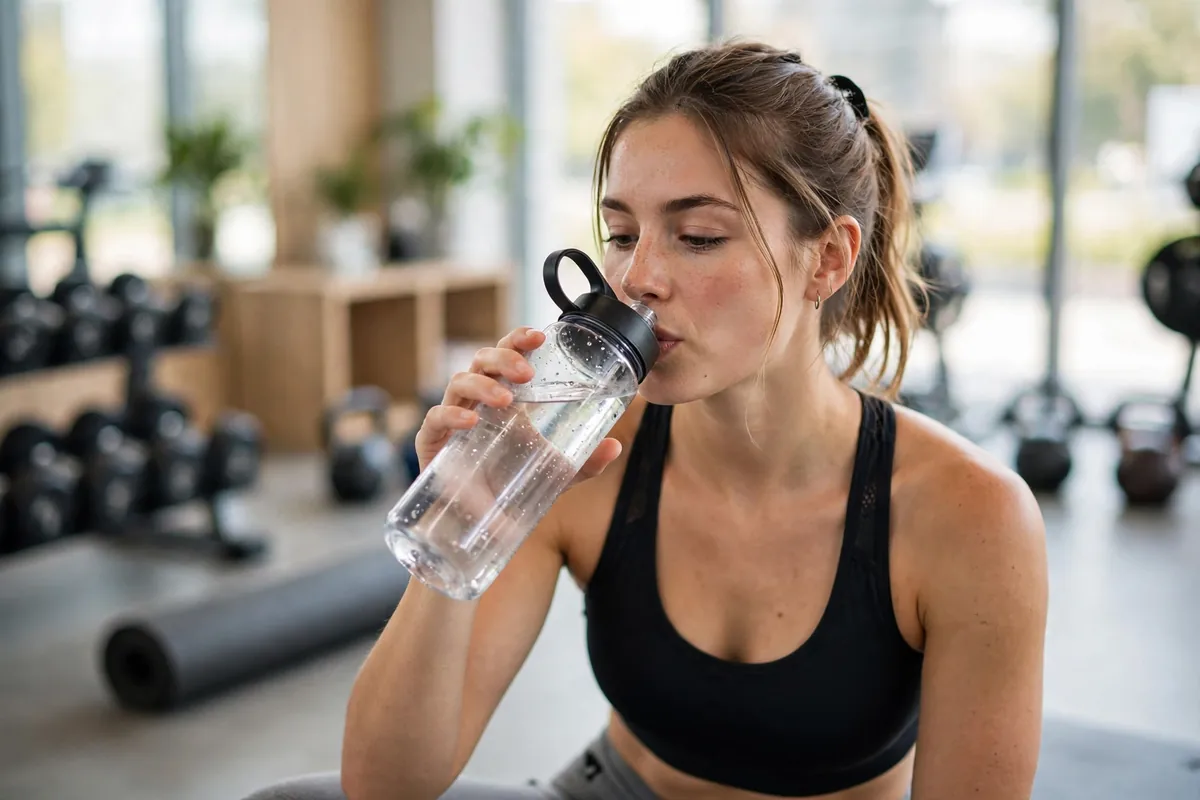
Workout drinks are the fluids you reach for while you train, and choosing well can change how your session feels. When you know what to drink during a workout, you can replace the fluid and salt you lose in sweat, keep your energy steady, and finish strong instead of fading halfway through. Many people grab the nearest bottle without thinking, yet water, electrolyte drinks, and sports drinks do different jobs. This guide explains each option, so you can pick the best workout drinks for short sessions, long sessions, and hot summer days.
Most people choose a drink by habit, not by need. They copy what a friend drinks, pick the brightest bottle, or sip the same drink for every session, from a gentle twenty-minute walk to a hard ninety-minute gym workout. That habit works until it does not. A short, easy session asks little of your body, while a long, sweaty session in warm weather asks a lot more. Learning how workout drinks differ helps you match the bottle to the session, instead of guessing every time you train.
This article keeps the choice simple. It covers five strong options for what to drink while you exercise: plain water, electrolyte drinks, sports drinks, coconut water, and a homemade electrolyte drink you can mix in your own kitchen. You will also learn what to avoid, how much to drink, and the warning signs of low fluid. The advice follows what sports dietitians say: drink to thirst, replace what you sweat out, and keep it simple. Good workout drinks do not need to be fancy. They need to fit your session.
What to Drink During a Workout and Why It Matters
When you exercise, your body loses fluid as sweat, and that sweat carries salt with it. Even a small loss can make a session feel harder. Your heart works harder, your muscles tire sooner, and your focus slips. So what you drink matters as much as how hard you train. For most short sessions, plain water replaces the fluid you lose. For longer, harder, or hotter sessions, you also need salt and a little fuel, which is where the other workout drinks in this guide earn their place.
Sports dietitians, including those quoted by Health.com, suggest a simple plan: drink before you start, sip through the session, and drink again after you finish. Take four to eight ounces every fifteen to twenty minutes during a workout if you sweat a lot. That steady sipping beats gulping a large bottle at the end. Small sips are one of the easiest workout drinks habits to build, and they cost nothing. Drinking well also protects recovery, because lost fluid must be replaced before muscles can repair and balance returns.
5 Powerful Workout Drinks for Better Hydration
1. Plain Water: The Simple First Choice
Plain water is the first choice for most sessions. It replaces fluid fast, costs almost nothing, and adds no sugar, salt, or calories you do not need. If your session lasts less than an hour at moderate effort, water is usually enough. Keep a bottle within reach and sip through the session, rather than waiting until you feel thirsty. Thirst comes late, so sip early and stay ahead of fluid loss. For short gym sessions, walks, and light runs, the simplest of all workout drinks is often the best choice.
Water also suits people who watch their sugar intake or train to manage their weight. A sweet drink adds calories without fullness, and those calories count toward your daily total. Water gives you fluid with none of that cost. If plain water feels dull, add lemon, lime, or cucumber for flavour, without sugar. Chill it before a warm-weather session so it stays cool. Choose a bottle you like, because one you enjoy is one you will reach for. That habit makes plain water the most reliable of the workout drinks you pick each day.
2. Electrolyte Drinks: Replace the Salt You Sweat Out
Sweat is not just water. It carries salt out of your body, mainly sodium, and heavy sweating can leave you short of it. An electrolyte drink replaces that sodium, with smaller amounts of potassium, to help your body hold fluid and keep its balance. These drinks suit sessions over an hour, hard training in heat, and heavy sweaters. The Health.com guide to drinks high in electrolytes explains which options work best. For hard, sweaty sessions, electrolyte drinks are the workout drinks that fill the gap water leaves behind.
Not every electrolyte drink is equal, so read the label before you buy. Look for sodium first, the main mineral you lose in sweat. A drink for long exercise should give fifty to one hundred and sixty milligrams of sodium per eight ounces. Some give over one thousand milligrams per serving, which most people do not need. A little sugar helps fuel long sessions, but a very sweet drink can upset your stomach. Save stronger mixes for long, hard training days. The right choice among workout drinks depends on the session, not the label.
3. Sports Drinks: Fuel and Fluid in One Bottle
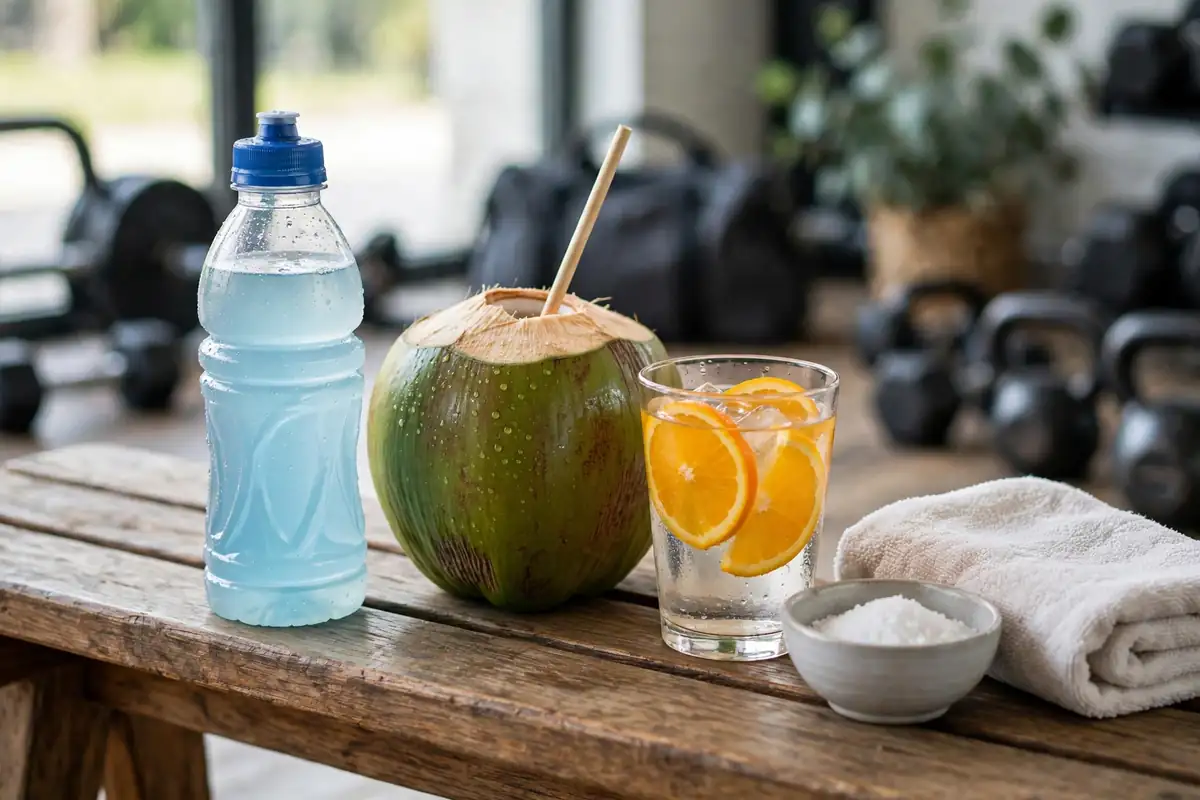
A sports drink gives you water, salt, and fuel in one bottle. Most hold six to eight percent carbohydrate, mainly sugar, for quick energy while you move. They also carry sodium and potassium to replace what sweat takes out. That mix makes these workout drinks useful for intense training over an hour, such as long runs or hard cycling. A sports drink can delay tiredness and hold your pace. For a short, easy session it is mostly extra sugar, so save it for hard days.
Sip sports drinks the way you sip water: a little at a time, not all at once. A full bottle in one go can sit heavy and cause discomfort. Some people find the sweetness too strong, so they mix half sports drink and half water in their bottle. That keeps some fuel and salt while cutting sugar. Watch the sugar if you drink them daily for easy sessions, because calories add up fast. Used at the right time, sports drinks are honest workout drinks: fuel and fluid together, for sessions that earn them.
4. Coconut Water: A Natural Source of Potassium
Coconut water is a natural drink that many people reach for after sweating. One cup gives about four hundred and four milligrams of potassium and sixty-four milligrams of sodium, which is far more potassium and a little less sodium than a typical sports drink. Potassium helps muscles work and supports fluid balance, so it suits light to moderate sessions. One study found coconut water rehydrated people as well as a sports drink after moderate to high intensity exercise. If you like a light, natural taste, it is a pleasant choice among workout drinks.
Coconut water has limits you should know. It is low in sodium, the mineral lost most in sweat, so it may fall short after very long sessions. For those days, add a pinch of salt or eat a salty snack after training. It also carries natural sugar, so it is not a free drink for easy sessions. Choose plain coconut water with no added sugar. For short sessions it is fresh and simple, and gentler on the stomach than sweet sports drinks. As workout drinks go, it is one of the gentlest natural choices.
5. A Homemade Electrolyte Drink: Simple and Cheap
You can make your own electrolyte drink at home for a fraction of the shop price. Mix one litre of water, a quarter teaspoon of salt, and juice of half a lemon or orange. Add one to two teaspoons of honey if your session is long and you want fuel. Stir until the salt dissolves, chill it, and carry it in a bottle. It tastes light and fresh, and replaces fluid and salt without the sweetness of bottled drinks. For long sessions on a budget, homemade workout drinks are hard to beat.
- One litre of clean water
- A quarter teaspoon of fine salt
- Juice of half a lemon or orange
- One to two teaspoons of honey, only for long sessions
A homemade drink will not suit everyone, and that is fine. If you dislike the taste, need exact amounts for a race, or want convenience, a ready-made drink is a fair choice. What matters is the mix: water for fluid, a little salt for sodium, and fuel only for long sessions. Keep the bottle clean and make a fresh batch daily, because a warm bottle can grow germs fast. Taste it before a hard session, not during one. With practice, these simple workout drinks become part of your training routine.
What to Avoid During a Workout
Some drinks look sporty but work against you during hard exercise. Energy drinks are the worst of them. They pack caffeine and sugar, which can raise your heart rate, upset your stomach, and leave you tired once the rush fades. They replace salt poorly, and can push you to drink less water because they feel filling. Fizzy drinks cause a similar problem: bubbles can bloat your stomach and make hard effort uncomfortable. For steady energy and real fluid, energy drinks are the wrong workout drinks during a session.
Alcohol and very sweet juice belong off the list. Alcohol pulls fluid from your body, slows reactions, and makes effort harder to judge, a poor mix with hard training. Sweet juice gives sugar without salt, so it does not replace sweat losses. For flavour, choose lightly flavoured water or a diluted sports drink. Coffee is a smaller question: a cup before training suits some, but never replaces water during a session. The safest rule is simple: workout drinks during exercise should be water, electrolytes, or a sports drink, not a treat.
How Much Should You Drink Before, During and After Exercise?
Start drinking before you train. Start about one and a half to two hours before a long or hard session, so you begin well filled. During the session, aim for four to eight ounces every fifteen to twenty minutes if you sweat a lot. No single amount fits everyone, because sweat rates differ widely. A small person on a cool day needs little, while a heavy sweater in heat needs far more. The best workout drinks plan is one you practise: sip early, sip often, and learn what your body needs.
Weigh yourself before and after a long session, then drink twenty to twenty-four ounces per pound lost. Pair fluid with a normal meal and a little salt, so your body holds on to it. Milk or chocolate milk can help recovery after intense sessions over three hours. For most people, plain water after a workout is just fine. The Health.com guide on hydration and exercise explains the full before, during, and after plan. What matters most is simple: the right workout drinks, at the right time, in the right amount.
Signs You Need More Fluid During a Workout
Your body gives clear signals when fluid runs low, and learning them helps you act early. Thirst is the first sign, and it often arrives after useful fluid is already lost. A dry mouth, a growing headache, or unusual tiredness can all point the same way. Dark urine, dizziness, or cramps are stronger warnings that you need fluid and salt soon. If you notice these signs often, review your drink and your pace. Slowing down and sipping well can save a session, and noticing early is as useful as the workout drinks themselves.
- Thirst or a dry mouth
- A headache that grows
- Unusual tiredness
- Muscle cramps or feeling dizzy
- Dark urine after training, even after sipping your workout drinks
Frequently Asked Questions About Workout Drinks
What to drink during a workout under an hour?
For a session under an hour, plain water is usually enough. Your body loses fluid, but not enough salt or fuel to need a sports drink, unless the weather is very hot or you sweat a great deal. Keep a bottle nearby and sip through the session, aiming for a few mouthfuls every fifteen to twenty minutes. If you train hard in heat, a light electrolyte drink can help, but most people do fine with water alone. The simplest workout drinks are often the right ones for short sessions.
Are sports drinks better than water for exercise?
It depends on the session. For short, easy exercise, water is better, because it replaces fluid without adding sugar or calories. For intense exercise over an hour, sports drinks are better, because they add salt and fuel your muscles need. The mistake is drinking sports drinks for every session, even gentle ones, when water would do. Match the drink to the effort, and you will get the benefit without the extra sugar. That simple rule keeps workout drinks working for you, not against you.
Do I need electrolyte drinks for every gym session?
No. Most gym sessions under an hour do not need an electrolyte drink, because you do not lose enough salt in that time. Save them for long sessions, hard training in heat, or days when you sweat heavily. If you see white salt marks on your clothes or finish with cramps, that is a sign you lost more salt than usual. A small pinch of salt in water or a ready-made electrolyte drink will cover it. Choosing the right workout drinks for each session is simpler than many people think.
Can I drink coconut water during a workout?
Yes, coconut water is fine during light to moderate sessions. It gives fluid and a good dose of potassium, and many people find it gentle on the stomach. Its weakness is low sodium, so it may not be enough after very long or very sweaty training. For those sessions, add a pinch of salt or switch to a sports drink. Choose plain coconut water with no added sugar, and treat it as one option among several, not the only answer. It also suits people who dislike sweet sports drinks.
What should I drink during a workout in hot weather?
In hot weather, drink more often and choose a drink with salt. Start sipping before you feel thirsty, and take small amounts every fifteen to twenty minutes. An electrolyte drink or a sports drink suits long, hot sessions, because sweat losses are higher and salt matters more. Water still works for short sessions, but keep it cool and close by. After training, drink again and eat a normal meal with salt. In heat, the best workout drinks are the ones you actually finish, so carry enough and sip steadily.
Final Thoughts on Workout Drinks
Choosing what to drink during a workout does not need to be complicated. For short sessions, water is enough. For long, hard, or hot sessions, reach for an electrolyte drink or a sports drink. Coconut water and a homemade mix give simple, natural options. Avoid energy drinks, fizzy drinks, and alcohol, and drink before, during, and after. Start with the simplest choice, watch your body, and adjust next time. When you get this one habit right, the best workout drinks become a quiet part of every good training day.
Disclaimer: This article is for educational and informational purposes only and is not medical advice. Always consult a qualified healthcare professional for any health concern.
Author Profile by Health Physical Fitness
I write evidence-based educational articles on health, fitness, wellness, nutrition, diet, weight management, healthy foods, lifestyle and skincare. All articles are for educational and informational purposes only, not medical advice.
Contact the editor: editor@healthphysicalfitness.com
2 Comments